
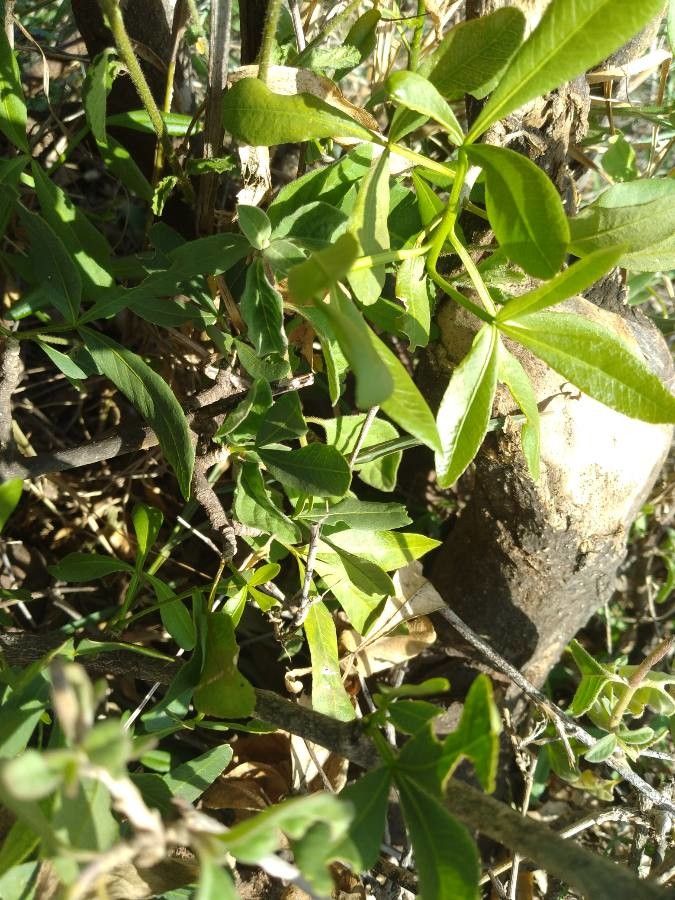
Propagating Vepris glomerata: A Gardener’s Guide
Introduction
Vepris glomerata, also known as the common wild orange, is a captivating evergreen shrub or small tree indigenous to parts of southern and eastern Africa. Valued for its attractive foliage, often described as glossy and dark green, and its potential for use in traditional medicine and potentially as a pesticide, Vepris glomerata is gaining popularity among gardeners and plant enthusiasts. However, its propagation presents unique challenges, making successful cultivation a particularly rewarding experience. Its relative rarity in cultivation contributes to its mystique and makes successful propagation a sought-after skill.
Seed Germination
Currently, there are no known reliable methods for seed germination propagation of Vepris glomerata. While seeds may be produced, their viability and germination rate are reportedly very low, likely due to factors such as seed dormancy mechanisms and the specific environmental conditions required for germination. Further research is needed to determine if specific pre-treatment techniques, such as scarification or stratification, could improve germination success.
Cuttings
Propagating Vepris glomerata via cuttings offers a more promising approach than seed germination. However, challenges remain.
Challenges: The success rate for cuttings can be variable and dependent on several factors, including the timing of the cutting (ideally semi-hardwood cuttings taken in late spring or early summer), the use of rooting hormone, and the maintenance of optimal humidity and temperature levels. Proper sanitation to prevent fungal infections is crucial.
Practical Tips: Use sharp, clean tools to take cuttings of approximately 10-15cm in length, removing lower leaves. Dip the cut ends in a rooting hormone powder before planting in a well-draining, moist propagation mix (e.g., perlite and peat moss). Maintain high humidity, ideally by covering the cuttings with a plastic dome or propagator, and provide adequate indirect sunlight. Regular misting is important, but avoid overwatering, which can lead to rot.
- Rewards: Successful propagation from cuttings allows for the cloning of desirable traits from a mother plant, ensuring genetic uniformity. It is also a relatively quicker method compared to other propagation techniques.
Division
Division is generally not a feasible method for propagating Vepris glomerata. The plant’s root system is not typically conducive to division, and attempts to separate it could severely damage the mother plant.
Tissue Culture
Tissue culture offers the potential for large-scale propagation of Vepris glomerata, bypassing the challenges associated with seed germination and cuttings. However, it requires specialized knowledge, equipment, and sterile laboratory conditions.
Challenges: Developing a successful tissue culture protocol for Vepris glomerata requires experimentation to determine the optimal medium, growth regulators, and sterilization techniques. This is a time-consuming and costly process.
Practical Tips: Consult with experienced tissue culture specialists or research existing protocols for related species to inform initial experiments.
- Rewards: Tissue culture allows for rapid multiplication of elite genotypes, allowing the propagation of large numbers of genetically uniform plants.
Conclusion
Propagating Vepris glomerata presents distinct challenges, with cuttings offering the most readily achievable success among the described methods. While seed germination currently appears unreliable, and division is impractical, tissue culture holds the potential for large-scale propagation but requires significant expertise. The rewards, however, are significant: the ability to cultivate and share this beautiful and potentially valuable plant. The unique gratification of successfully nurturing Vepris glomerata from a cutting, overcoming the inherent difficulties, makes the endeavour particularly rewarding for the dedicated gardener. Perseverance and a willingness to learn and experiment are key to success with this fascinating plant. For beginners, starting with cuttings, using a suitable propagator and following good hygiene practices, is the recommended approach.