
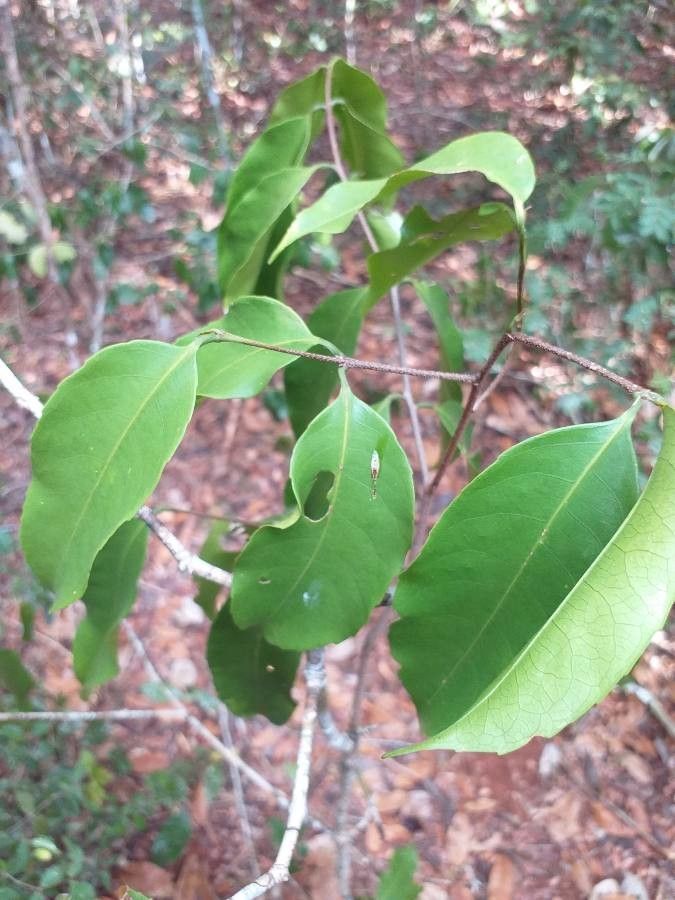
From Seed to Sapling: A Guide to Propagating the Vibrant Vepris Sansibarensis
The Vepris sansibarensis, with its glossy, dark green leaves and clusters of fragrant white flowers, is a true gem in any garden. This beautiful shrub, native to East Africa, is not only visually stunning but also plays a significant role in traditional medicine and offers potential for ecological restoration. If you’re captivated by this plant and are eager to expand its presence, then learning about its propagation is the key.
The Magic of Seeds:
The most common method for propagating the Vepris sansibarensis is through seeds. Once the plant blooms and produces its small, fleshy fruits, you’ll find the precious seeds tucked within.
- Harvest Time: The ideal time for seed collection is when the fruits are ripe and have begun to turn a dark purplish-black color.
- Seed Preparation: Clean the seeds by removing any remaining pulp and then gently air dry them for a couple of days.
Putting Seeds to Work:
- Sowing: Sow the seeds directly into a free-draining seed-starting mix or a mixture of fine sand and compost. Don’t bury them too deeply; a light sprinkling of the mix is enough.
- Moisture & Light: Keep the soil moist but not soggy. Place the seed trays or pots in a bright, indirect location, away from direct sunlight.
- Patience is Key: Vepris sansibarensis seeds can be slow to germinate, taking anywhere from a few weeks to several months. Patience is paramount, and consistent moisture is crucial.
Propagating Your Vepris with Cuttings:
For a faster approach, consider propagating your Vepris sansibarensis using softwood cuttings.
- Cutting Time: Late spring or early summer is the prime time to take cuttings, when the stem growth is soft and pliable.
- Cut Selection: Choose a healthy, non-flowering stem from the plant. Cut a 4-6 inch section just below a node (where a leaf grows from the stem).
- Preparation: Dip the base of the cutting in a rooting hormone solution if desired.
- Planting: Insert the cuttings into containers filled with a rooting medium like perlite or a mixture of peat moss and perlite. Maintain consistent moisture and keep the cuttings in a bright, indirect location.
Understanding the Process:
- Root Development: It typically takes several weeks for your Vepris sansibarensis cuttings to develop roots. Look for new growth as a sign that rooting is taking place.
- Patience and Progress: Once the roots are established, you can gradually acclimate the plants to outdoor conditions.
Growing Success:
Regardless of the method you choose, providing the right care is essential for successful plant growth.
- Sunlight: Vepris sansibarensis thrives in a sunny or partially shaded location.
- Watering: Water the plant regularly, allowing the soil to dry slightly between waterings.
- Fertilization: Supplement with a balanced fertilizer during the growing season.
A Flourishing Legacy:
Propagating the Vepris sansibarensis not only expands its presence in your personal garden but also offers an opportunity to contribute to its conservation. By cultivating this remarkable plant, you can enhance its medicinal benefits, foster biodiversity, and enjoy its enduring beauty for years to come.