
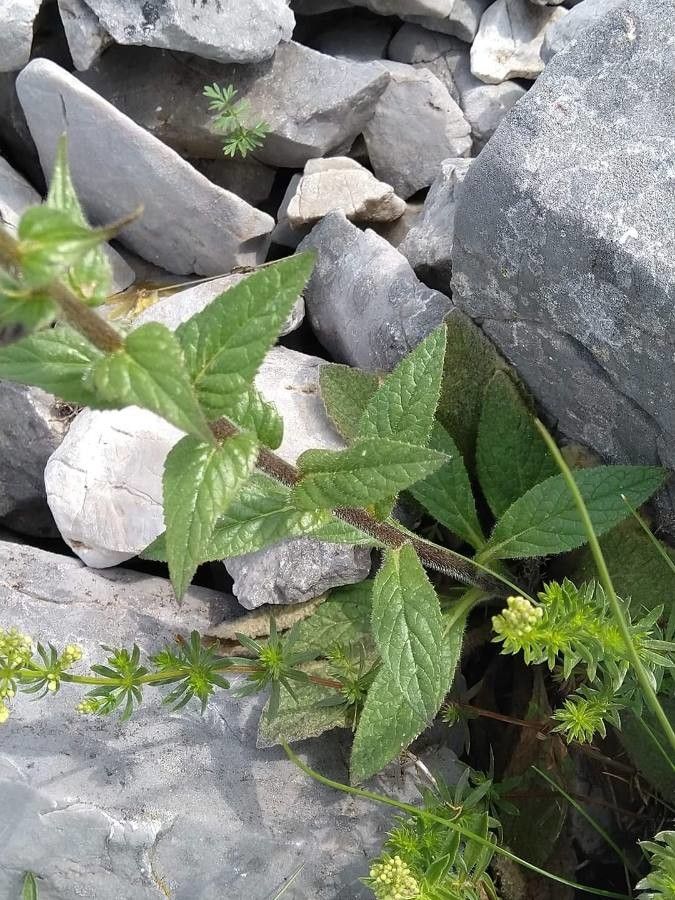
Unfurling the Golden Fleece: Propagating the Radiant Verbascum anisophyllum
Verbascum anisophyllum, with its sun-soaked, golden blooms, brings an ethereal beauty to any garden. This short-lived perennial, often treated as a biennial, is native to Greece and Turkey, thriving in well-drained, sunny locations. But how do you ensure its radiant presence for years to come? The answer lies in successful propagation.
While propagating Verbascum anisophyllum might seem intimidating, it’s surprisingly achievable, even for beginner gardeners. Here’s a breakdown of the two most effective methods:
1. Seed Propagation: A Dance with Patience
This method offers the reward of numerous plants and embraces the natural life cycle of Verbascum anisophyllum.
- Timing is Key: As soon as the seed capsules turn brown and papery in late summer or early fall, it’s harvesting time! Gently collect the capsules and allow them to dry completely in a warm, airy location.
- Sowing the Seeds: In spring, sow the tiny seeds directly into well-prepared seedbeds outdoors or start them indoors 4-6 weeks before your last frost date. Remember, these seeds appreciate light for germination, so press them gently onto the soil surface rather than burying them.
- Patience is a Virtue: Germination can take anywhere from 2 to 8 weeks. Maintain consistent moisture, but avoid overwatering.
- Transplanting with Care: Once the seedlings have developed several sets of true leaves, they can be carefully transplanted to their final location in the garden.
2. Basal Cuttings: A Faster Path to Golden Blooms
For a quicker reward and to maintain desirable plant characteristics, taking basal cuttings in spring is an excellent option.
- Timing and Tools: As soon as new growth emerges in spring, select healthy, non-flowering basal shoots. A sharp, sterilized knife or pruning shears is essential for clean cuts.
- Taking the Cutting: Sever the chosen shoot cleanly at the base, ensuring you gather a section at least 2-3 inches long. Remove any lower leaves to prevent rotting.
- Encouraging Roots: Dip the cut end in rooting hormone (optional but beneficial). Then, plant the cutting in a well-draining potting mix, burying the bottom node (where the leaves were removed).
- Humidity is Key: Cover the pot with a plastic bag or use a propagator to create a humid environment. Keep the soil consistently moist but not waterlogged.
- Transplanting Success: Within a few weeks, roots should develop. Once the cutting shows signs of new growth, it’s ready for its permanent home in the garden.
A Few Tips for Success:
- Well-Drained Soil: Verbascum anisophyllum thrives in well-drained soil. Amending heavy clay soil with compost or grit is crucial.
- Sunlight is Essential: Full sun is ideal for optimal growth and flowering. Choose a location that receives at least 6 hours of direct sunlight per day.
- Watering Wisely: While this plant is relatively drought-tolerant once established, consistent moisture is crucial during initial growth stages.
Propagating Verbascum anisophyllum is a rewarding endeavor that allows you to multiply these golden beauties in your garden. Whether you choose the patience of seed propagation or the quicker rewards of basal cuttings, with a little care and attention, you’ll be well on your way to creating a dazzling display of sunshine-yellow blooms for years to come.