
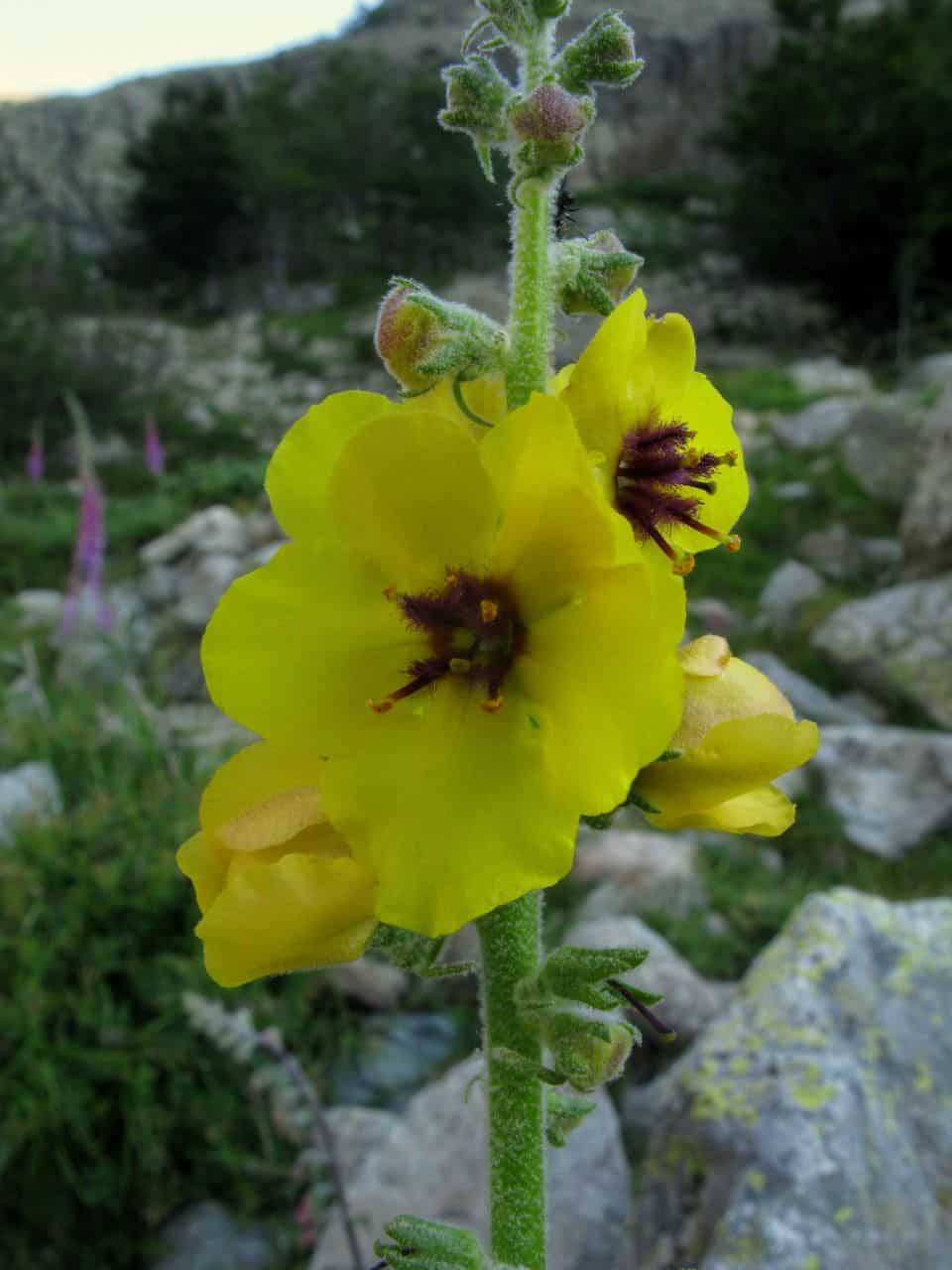
Taming the Tall: A Guide to Propagating Verbascum conocarpum
Verbascum conocarpum, also known as the "Tinted Mullein", isn’t as familiar a name as its cousin the Common Mullein. However, its striking tall spires adorned with sunny yellow flowers can add a touch of architectural drama and vibrant color to any garden. If you’re ready to welcome this beautiful biennial into your landscape, propagating your own plants is a rewarding and surprisingly easy endeavor.
Understanding the Life Cycle of Verbascum conocarpum
Before diving into propagation, it’s important to understand the life cycle of this unique plant. Verbascum conocarpum is a biennial, which means it completes its life cycle in two years. In the first year, it focuses on growing a rosette of silvery-green leaves. The second year brings the showstopper: a tall, flowering spike that can reach impressive heights of up to 5 feet. Understanding this cycle is essential, as propagation methods will vary depending on the plant’s stage.
Two Methods for Propagation Success
1. Seed Propagation: Embracing the Beauty of Patience
Verbascum conocarpum readily reproduces from seed, making this the most common propagation method. Here’s how:
- Seed Collection: In late summer, as the flowers fade, keep an eye out for the developing seed pods. Once dry, these pods will readily release copious amounts of tiny, black seeds.
- Sowing Time: You have two options here:
- Fall Sowing (Direct Sow): Mimic nature by scattering seeds directly onto prepared soil in the fall. Select a sunny location with well-drained soil. Don’t bury the seeds; simply press them gently onto the surface.
- Spring Sowing (Indoor Start): For a head start, sow seeds indoors 6-8 weeks before the last expected frost. Use a seed starting mix and provide ample light. Transplant outdoors after the danger of frost has passed.
- Cultivation: Verbascum conocarpum prefers full sun and well-drained soil. Water regularly while seedlings are establishing, but be mindful of overwatering.
2. Basal Cuttings: A Faster Route to Blooms
For a quicker route to flowering plants, try propagating from basal cuttings:
- Timing is Key: The optimal time to take basal cuttings is in early spring when new growth emerges at the base of the parent plant.
- Taking the Cutting: Using a sharp, clean knife, carefully cut a 2-3 inch section of new growth from the base of the plant. Make the cut just below a leaf node.
- Planting the Cutting: Remove any lower leaves from the cutting, leaving only a few at the top. Dip the cut end in rooting hormone (optional but helpful) and plant it in a well-draining potting mix.
- Creating Humidity: Maintain high humidity around the cutting by covering the pot with a plastic bag or using a humidity dome. Place the pot in a bright location, out of direct sunlight.
- Rooting and Transplanting: Roots typically develop within 4-6 weeks. Once roots are established, harden off the cutting before transplanting it to its permanent location in the garden.
Tips for Success:
- Verbascum conocarpum prefers full sun to partial shade and well-drained soil.
- Once established, these plants are relatively drought-tolerant.
- Deadheading spent flower stalks can encourage more blooms and prevent excessive self-seeding if desired.
Propagating Verbascum conocarpum, whether from seed or basal cuttings, is a rewarding experience. With a little patience and care, you can enjoy the majestic beauty of these sun-loving plants in your own backyard for years to come.