
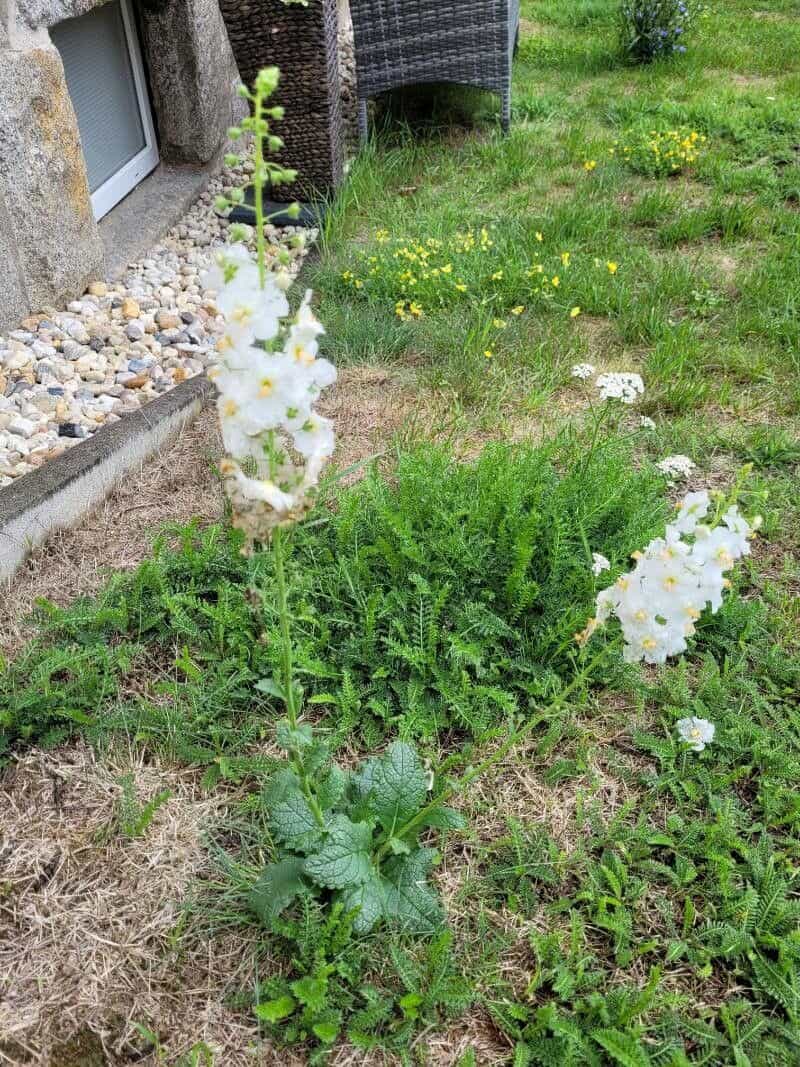
Taming the Mullein: Propagating Verbascum glandulosum
Verbascum glandulosum, a mouthful of a name, right? But don’t let that scare you off. This stunning member of the mullein family, with its towering spires of yellow flowers, can be a majestic addition to any garden. And the best part? Propagating Verbascum glandulosum is surprisingly straightforward, even for beginner gardeners!
Understanding the Basics of Verbascum glandulosum
Before we dive into propagation, let’s get acquainted with our plant. Verbascum glandulosum, native to the Mediterranean region, is a biennial. This means it typically completes its life cycle in two years. The first year is dedicated to establishing a strong root system and a rosette of fuzzy, silvery-green leaves. Then, in its second year, it bursts forth with a magnificent flower stalk that can reach impressive heights, depending on the variety.
Two Paths to Propagation
Now, onto the heart of the matter – propagation. There are two primary ways to welcome more Verbascum glandulosum into your garden:
1. Seed Propagation: Embracing the Element of Surprise
Seed propagation is the most common method and allows you to witness the full life cycle of the plant. Here’s how it’s done:
- Seed Collection: As the flowers on your Verbascum glandulosum mature, they produce small, brown seed capsules. Once the capsules dry and start to split open, it’s time to collect the tiny seeds within.
- Sowing Time: You can sow Verbascum glandulosum seeds directly into your garden in the fall or start them indoors in late winter/early spring. Direct sowing mimics the plant’s natural cycle, allowing the seeds to experience winter’s chill, which aids germination.
- Sowing Process: Scatter the seeds on the soil surface, barely pressing them in. Verbascum seeds need light to germinate. Keep the soil consistently moist but not soggy.
- Thinning Out: Once the seedlings emerge and develop a few sets of true leaves, thin them out to give each plant enough space to grow.
Important Notes on Seed Propagation:
- Verbascum glandulosum readily self-seeds. So, if you have an existing plant, you might find volunteer seedlings popping up in your garden the following year.
- This species is known to hybridize freely with other Verbascum varieties. While this can lead to some exciting variations, don’t be surprised if your seedlings don’t look exactly like the parent plant.
2. Basal Cuttings: A Faster Route to Blooms
If you’re looking for quicker results or want to ensure identical offspring, basal cuttings are the way to go:
- Timing is Key: Take basal cuttings in late spring or early summer from the plant’s base.
- Making the Cut: Using a sharp, clean knife or pair of pruning shears, cut a 2-3 inch section from a healthy, non-flowering stem at the base of the plant. Ensure the cutting has a small piece of the root attached (this is called the "heel").
- Planting the Cutting: Remove the lower leaves from the cutting and dip the end in rooting hormone (optional but helps). Plant the cutting in a well-draining potting mix and keep it consistently moist.
- Transplanting: Once the cutting develops a strong root system (usually within a few weeks), you can transplant it to a larger pot or outdoors.
Caring for Your New Verbascum Glandulosum
Whether you choose seeds or cuttings, provide your Verbascum glandulosum with well-drained soil and plenty of sunlight. These plants are relatively drought-tolerant once established and are not heavy feeders.
With a little effort, you’ll soon be enjoying the striking beauty and resilience of Verbascum glandulosum in your garden. Happy propagating!