
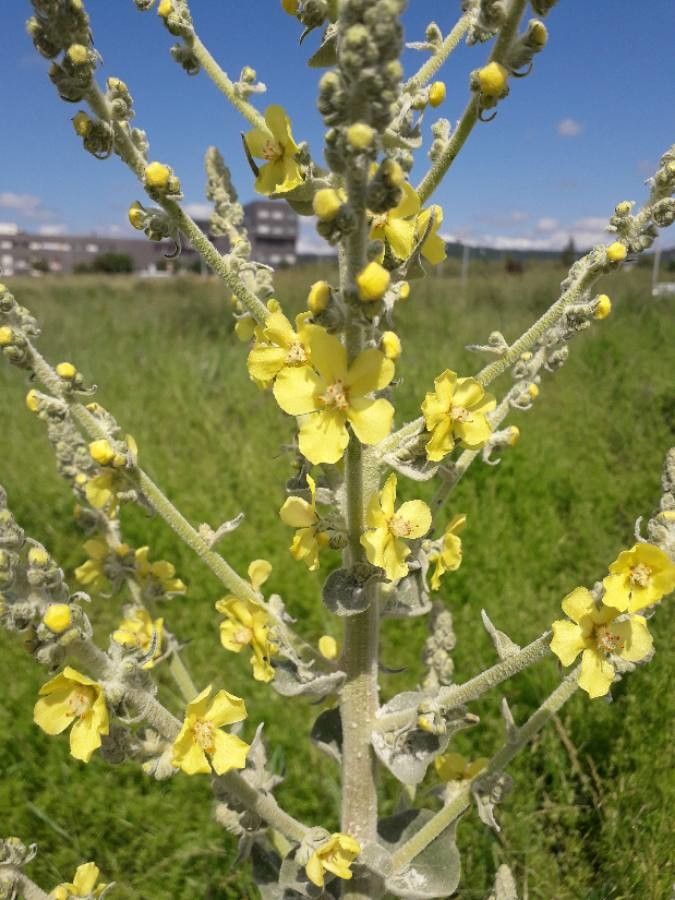
Dust to Dust, Seed to Stately Bloom: Propagating the Majestic Verbascum pulverulentum
The Verbascum pulverulentum, or Dusty Mullein as it’s affectionately known, is a sight to behold. This biennial beauty sends up a towering spike of yellow, nectar-rich flowers that attract a flurry of pollinators to your garden. But don’t let the “biennial” tag deter you – propagating this majestic plant is a rewarding experience even a novice gardener can master.
Two Methods to Multiply Your Mullein
While the Dusty Mullein readily self-seeds, giving your garden a touch of effortless wildflower charm, you can take charge of propagation through two primary methods:
1. Seed Sowing: Embracing the Cycle of Life
- Timing is Key: The best time to sow Verbascum pulverulentum seeds is in late spring or early summer. This allows the seedlings to establish themselves before winter’s chill sets in.
- Location, Location, Location: Choose a sunny spot with well-drained soil. Remember, these plants are drought-tolerant once established, so don’t fret over pampering them with constant watering.
- Sowing with a Gentle Touch: Sprinkle your seeds directly onto the soil surface, mimicking their natural dispersal. Gently press them in but avoid burying them too deeply.
- Patience is a Virtue: Germination may take a few weeks. Keep the soil consistently moist but not waterlogged.
- Thinning the Crowd: Once your seedlings reach a few inches tall, thin them out to ensure proper air circulation and prevent overcrowding. A spacing of 12-18 inches is ideal.
2. Basal Cuttings: Cloning Your Floral Giants
If you’re eager for a head start or want to ensure identical offspring, basal cuttings are the way to go:
- When Spring Springs: Take your cuttings in early spring before the plant begins its flowering spectacle.
- Sharp and Sterile: Use a clean, sharp knife or shears to minimize damage and prevent the spread of disease.
- From the Base, We Rise: Select healthy, non-flowering shoots emerging directly from the plant’s base. Aim for cuttings that are 3-4 inches long.
- Hormonal Help (Optional): Dipping the cut ends in rooting hormone can encourage faster and more successful rooting.
- Potting Up Your Protégés: Plant your cuttings in a well-draining potting mix, burying the lower set of leaves.
- Creating a Humid Haven: Water thoroughly and cover the pot with a plastic bag or humidity dome to trap moisture.
- Patience and Observation: Keep the cuttings in a brightly lit area, out of direct sunlight. Rooting can take several weeks. Check for new growth, a sure sign of success.
Reaping the Rewards of Your Labor
Once your seedlings or cuttings are robust and the threat of frost has passed, it’s time to plant them out into their permanent positions in your garden. Water them well initially and then let nature take its course.
In the following year, your efforts will be rewarded with majestic spikes of golden blooms, attracting pollinators and adding a touch of effortless elegance to your garden. And just like that, the cycle begins anew, as your Verbascum pulverulentum, born from dust-like seeds or carefully nurtured cuttings, generously self-seeds, perpetuating its stately presence in your garden for years to come.