
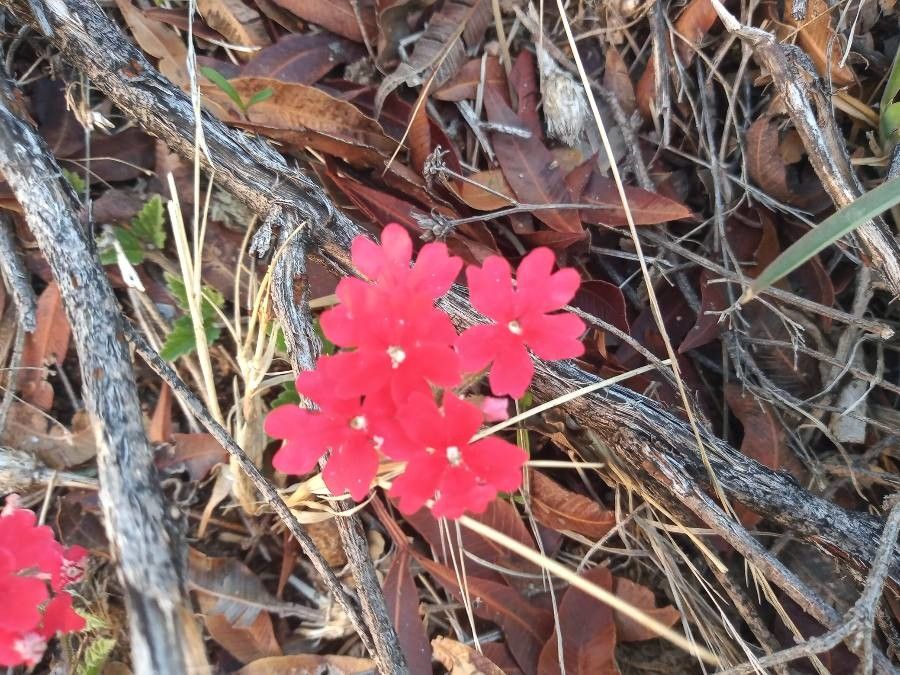
California Verbena: Spreading the Purple Cheer Through Propagation
California verbena (Verbena californica), with its clusters of vibrant purple flowers and delicate foliage, can turn any garden into a pollinator’s paradise. If you’re lucky enough to have this California native gracing your yard, you might wonder how to spread the joy and propagate new plants. Luckily, California verbena is surprisingly easy to propagate, offering you several methods to expand its presence.
Method 1: Seed Starting – Embracing the Circle of Life
Starting California verbena from seed allows you to witness the entire life cycle of this beautiful plant. Here’s how:
- Seed Collection: In late summer or fall, watch for the small, brown seed capsules to develop after flowering. Once they dry and crack open, collect the tiny seeds inside.
- Cold Stratification: California verbena seeds benefit from a period of cold stratification, mimicking their natural cycle in the wild. Place the seeds in a moistened paper towel inside a sealed plastic bag and store them in your refrigerator for 4-6 weeks.
- Sowing: After stratification, sow the seeds in a seed-starting mix, pressing them gently onto the surface. Keep the soil consistently moist and provide bright, indirect light.
- Transplanting: Germination typically occurs within 2-3 weeks. Once seedlings develop a couple of sets of true leaves, transplant them into individual pots or directly into your garden after the last frost.
Method 2: Cuttings – Cloning Your Favorite Bloomers
Taking cuttings is a fantastic way to replicate the exact characteristics of a particularly showy California verbena plant:
- Timing is Key: The best time to take cuttings is in spring or early summer when the plant is actively growing.
- Select and Snip: Choose healthy, non-flowering stems about 4-6 inches long. Use clean, sharp shears to make a cut just below a leaf node.
- Prepare the Cutting: Remove the lower leaves from the stem, leaving 2-3 pairs at the top.
- Root Hormone (Optional): While not essential, dipping the cut end in rooting hormone can encourage faster root development.
- Planting: Insert the cuttings into a well-draining potting mix. Keep the medium consistently moist, and provide bright, indirect light.
- Rooting Success: Within a few weeks, you should see new growth, indicating successful rooting.
Method 3: Layering – A Grounded Approach
Layering encourages roots to develop on a stem while it’s still attached to the mother plant:
- Choose a Branch: Select a healthy, flexible stem close to the ground.
- Wound and Bury: Make a small wound on the underside of the stem using a clean, sharp knife. Gently bend the wounded portion down and bury it in the soil, securing it with a landscape pin or rock.
- Patience is Key: Keep the soil consistently moist and wait. It might take several weeks to a few months for roots to form.
- Separation: Once roots are established, you can sever the newly rooted stem from the mother plant and transplant it elsewhere.
No matter your chosen method, propagating California verbena offers a rewarding experience, allowing you to expand your garden’s beauty and attract an array of pollinators with its enchanting purple blooms.