
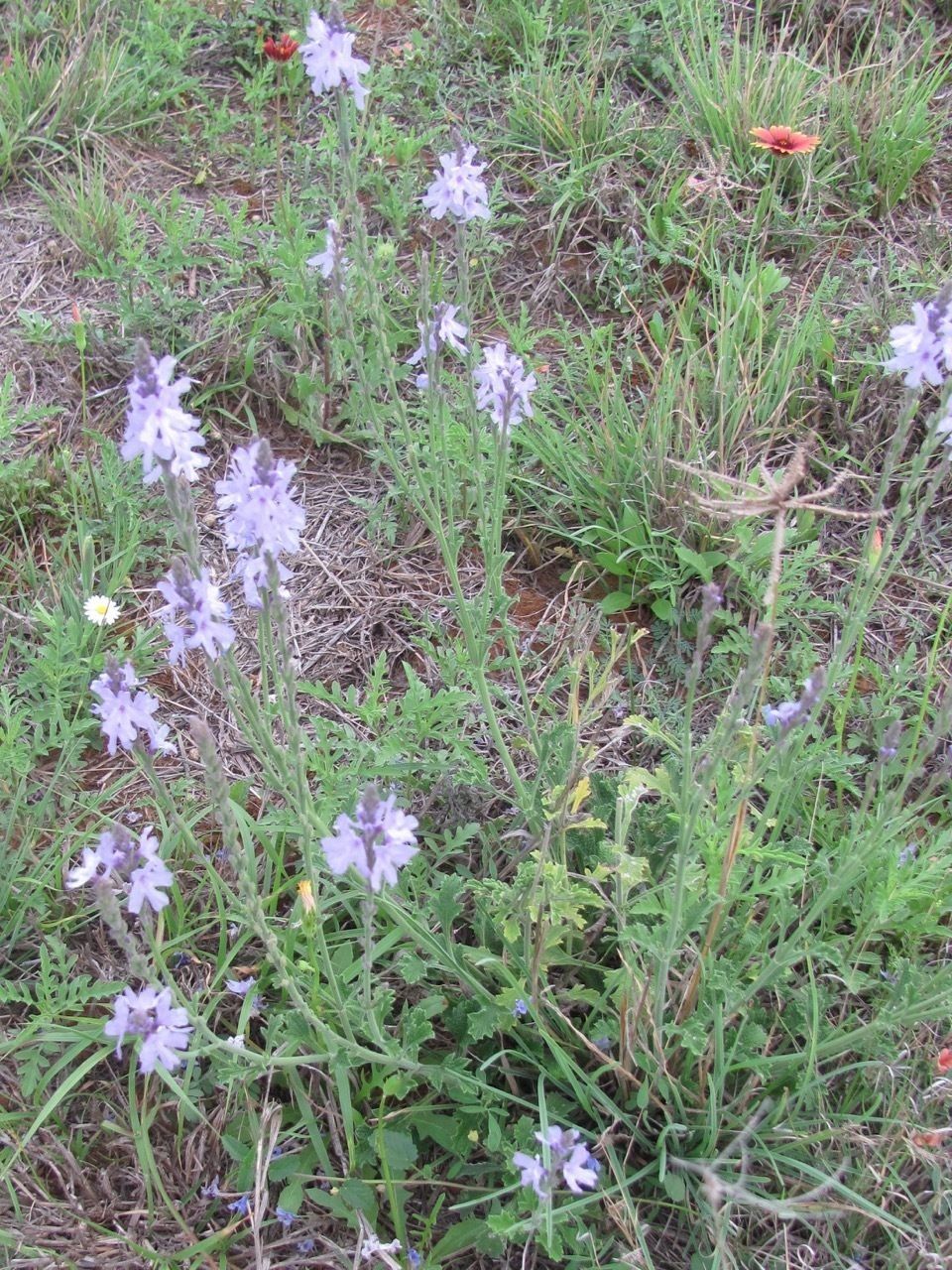
From Seed to Bloom: A Guide to Propagating the Charming Verbena cloverae
Verbena cloverae, with its dainty lilac flowers and delicate fern-like leaves, brings a touch of old-fashioned charm to any garden. This low-growing, spreading perennial, known for its long blooming season, thrives in rockeries, borders, and even hanging baskets. While acquiring this delightful plant is as simple as purchasing a starter plant, there’s a special satisfaction in propagating your own. Let’s delve into the two primary methods:
1. Seeds: A Journey of Patience and Reward
Propagating Verbena cloverae from seed is a rewarding experience, though it requires a dash of patience. Here’s a step-by-step guide:
- Timing is Key: Aim to sow your seeds indoors approximately 6-8 weeks before the last expected frost. This head start allows the seedlings to mature before facing the elements.
- Prepare the Seedbed: Choose a well-draining seed starting mix and moisten it thoroughly. Sprinkle the seeds over the surface, lightly pressing them down but avoiding burying them; Verbena cloverae seeds require light for germination.
- Provide a Warm Embrace: Cover your seed tray with a propagator lid or plastic wrap to create a warm, humid environment. Place it in a brightly lit location, out of direct sunlight.
- Patience is a Virtue: Germination can take anywhere from 14 to 28 days. Ensure the soil remains consistently moist but not waterlogged.
- Thinning Out the Crowd: Once the seedlings develop two sets of true leaves, they’re ready for thinning. Select the strongest plants and carefully transplant them into individual pots, burying the stem up to the first set of leaves to encourage strong root development.
- Harden Off Before the Big Move: About a week before planting outdoors, gradually introduce your seedlings to outdoor conditions by increasing their exposure to sunlight and wind each day. This process, known as “hardening off,” helps them acclimatize and prevents transplant shock.
- Transplant with Care: Choose a sunny or partially shaded location with well-drained soil. Space your plants about 12 inches apart, ensuring the root ball is level with the ground. Water them in thoroughly.
2. Cuttings: A Quicker Route to Clones
If you’re looking for a faster propagation method, cuttings are an excellent option. This method creates a genetically identical copy of your parent plant. Here’s how:
- The Right Timing: Take cuttings in the spring or early summer from healthy, non-flowering shoots.
- Take the Plunge: Using a sharp, sterilized knife or shears, cut a 3-4 inch section of stem just below a leaf node (the point where the leaf joins the stem). Remove the lower leaves, leaving 2-3 pairs at the top.
- Hormone Boost (Optional): While not mandatory, dipping the cut end in rooting hormone can encourage faster and more successful rooting.
- Planting the Cutting: Fill small pots with a well-draining potting mix. Moisten the mix and make a small hole in the center. Insert the cutting, burying the node where you removed the lower leaves.
- Creating a Humid Haven: Cover the pot with a plastic bag or place it in a propagator to maintain high humidity. This fosters root development.
- Patience, Again: Keep the cutting in a bright location, out of direct sunlight. New growth indicates successful rooting, usually within 4-6 weeks. Once the roots are established, you can transplant your cutting into a larger pot or directly into your garden.
Enjoying the Fruits (Or Flowers) of Your Labor
Whether you choose the rewarding journey of seeds or the quicker gratification of cuttings, propagating Verbena cloverae is a fulfilling endeavor. With a little care and attention, you’ll soon have a beautiful bounty of these charming flowers to brighten your garden and attract pollinators. Just imagine, a sea of delicate lilac blooms, all thanks to your own green thumb!