
Propagating Verbena halei: A Gardener’s Guide to a Challenging but Rewarding Plant
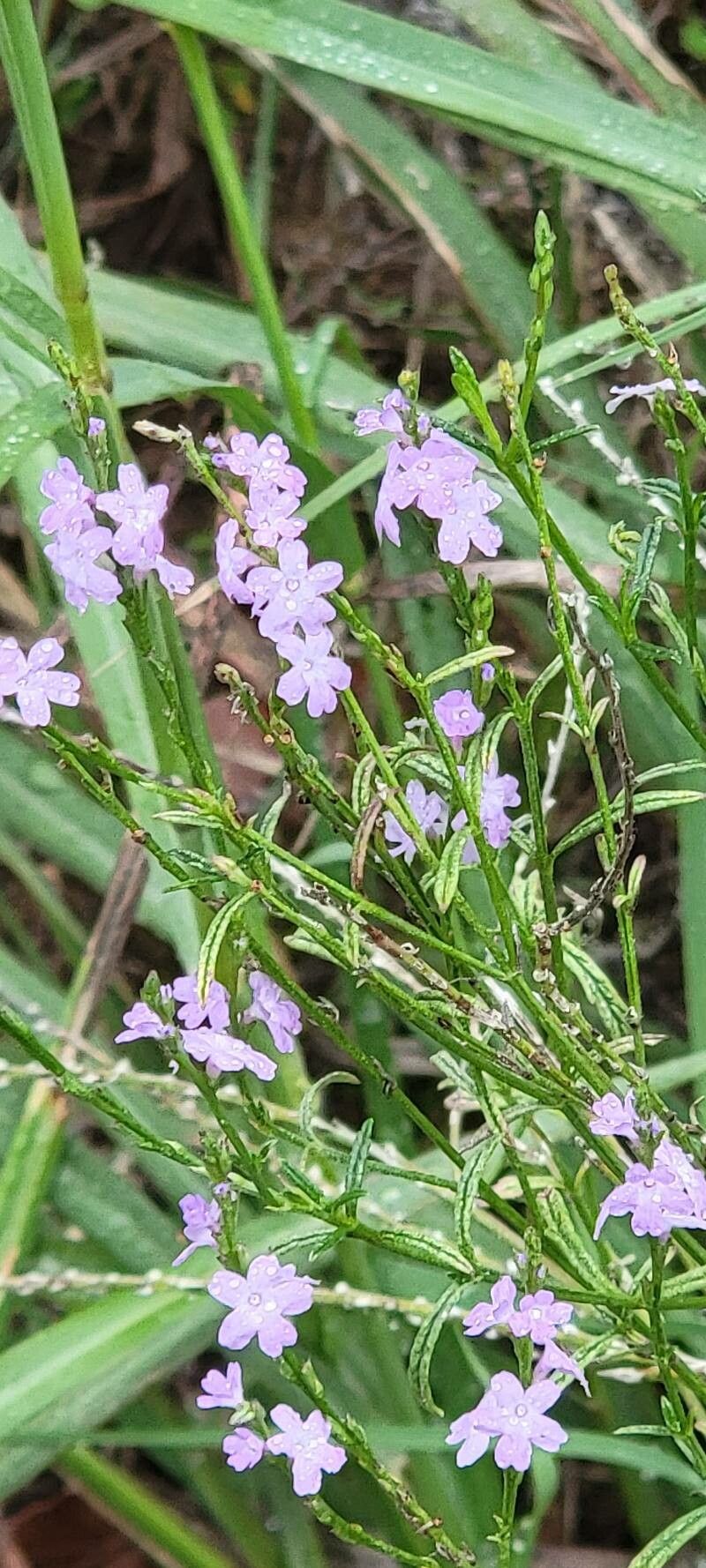
Verbena halei, also known as the Hale’s vervain, is a captivating herbaceous perennial prized for its vibrant, often purple, flower clusters and its relatively low maintenance once established. Its drought tolerance and ability to attract pollinators make it a popular choice for rock gardens, borders, and xeriscaping projects. However, its propagation presents unique challenges, making successful cultivation all the more rewarding. This guide explores various propagation methods, weighing their viability and offering practical tips.
Seed Germination:
Currently, there are no known reliable methods for seed germination propagation of Verbena halei. While some Verbena species readily propagate from seed, Verbena halei appears to exhibit recalcitrant seed behavior, meaning its seeds have a very short viability window and are difficult to germinate under typical conditions. Further research into specialized germination techniques may be necessary to unlock this propagation pathway.
Cuttings:
Cuttings offer a significantly more reliable method for propagating Verbena halei.
Challenges: Success depends on timing and technique. Taking cuttings during the active growing season (spring or early summer) is crucial. Using semi-hardwood cuttings (partially matured stems) generally yields better results.
Practical Tips: Take cuttings approximately 4-6 inches long, removing the lower leaves to prevent rot. Dip the cut ends in rooting hormone powder to encourage root development. Plant the cuttings in a well-draining propagating mix (e.g., a blend of perlite and peat moss) kept consistently moist but not soggy. Cover the cuttings with a humidity dome or plastic bag to maintain high humidity levels, crucial for successful rooting. Provide bright, indirect light. Rooting typically takes several weeks.
Rewards: This method allows for the rapid multiplication of desirable genotypes, preserving specific traits, and is suitable for smaller scale propagation efforts.
Division:
Division of established Verbena halei plants is also a viable propagation method.
Challenges: This method is limited by the size and age of the parent plant. Older, well-established plants divide more easily. Care must be taken to avoid damaging the root system during division.
Practical Tips: The best time for division is during spring or early autumn, after flowering has subsided but before the onset of winter. Carefully dig up the plant, gently separate the root crown into smaller divisions, ensuring each division contains sufficient roots and healthy stems. Replant the divisions immediately in well-prepared soil, maintaining adequate moisture until they establish themselves.
Rewards: Division is a relatively simple and quick method, producing instant new plants. It doesn’t require specialized equipment and is a good choice for expanding an existing collection.
Tissue Culture:
While theoretically possible, tissue culture propagation of Verbena halei is not commonly practiced by home gardeners due to the need for specialized equipment, sterile conditions, and expertise.
Challenges: Establishing a sterile environment and developing a reliable protocol for Verbena halei would require significant investment and technical skill.
Practical Tips: This method is best left to professional nurseries or research institutions with the necessary infrastructure and knowledge.
Rewards: Tissue culture offers the potential for large-scale propagation and disease-free plant production.
Conclusion:
Propagating Verbena halei presents unique challenges across all methods. While seed germination proves currently unreliable, both cuttings and division provide viable pathways for successful propagation. Cuttings offer the versatility of preserving desirable traits and are accessible to most home gardeners, while division is a simpler approach for those with established plants. Tissue culture, while technically possible, remains a specialized technique. The effort required to successfully propagate this plant, however, is richly rewarded by the satisfaction of nurturing these beautiful and resilient plants, a testament to the gardener’s dedication and skill. Don’t be discouraged by initial setbacks; persistence and attention to detail are key to mastering the propagation of Verbena halei.