
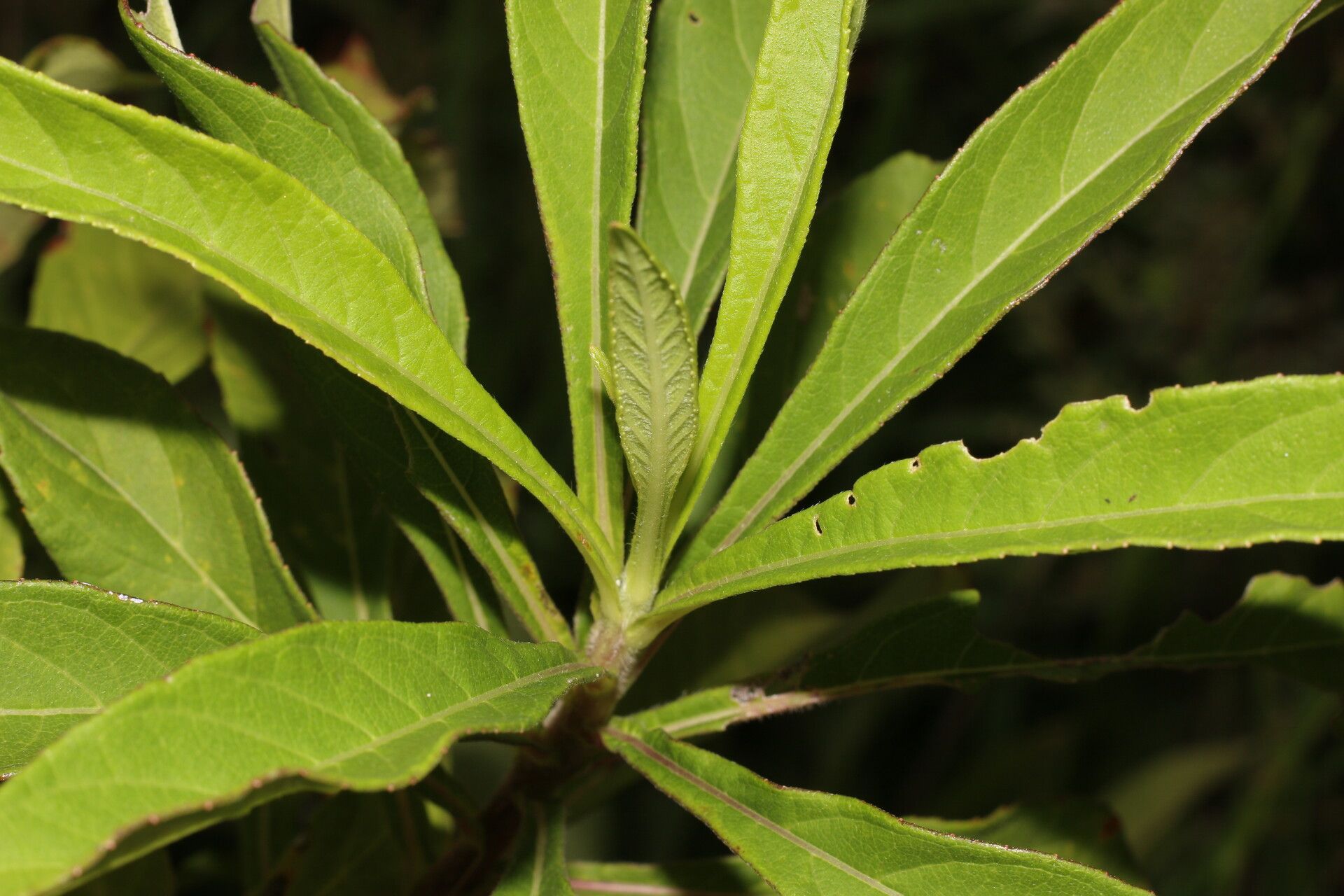
Sunshine on Demand: Your Guide to Propagating the Cheerful Verbesina Pallens
If you’re searching for an easy-care, sun-loving bloomer to brighten your garden, look no further than the Verbesina pallens, also known as the Paleleaf Crownbeard. This North American native boasts a profusion of sunny yellow daisy-like flowers that attract a plethora of pollinators, making it a joy for both the eyes and the ecosystem. And the best part? Propagating Verbesina pallens is surprisingly simple, allowing you to multiply your stock and share the sunshine with friends.
Two Paths to Propagation: Seeds and Cuttings
Verbesina pallens offers two primary methods of propagation: seeds and cuttings. Both have their pros and cons, allowing you to choose the best approach for your gardening style.
1. Starting from Seed: A Rewarding Journey
For those who enjoy the magic of witnessing life sprout from tiny beginnings, starting Verbesina pallens from seed is an incredibly rewarding experience.
Here’s how:
- Collect seeds: Allow some flowers to mature fully on the plant, forming seed heads. Once dry and brown, carefully collect the seeds.
- Prepare for sowing: Sow seeds in a well-draining seed starting mix, lightly pressing them into the surface.
- Provide warmth and moisture: Keep the soil consistently moist and place the tray in a warm location with bright, indirect light.
- Transplant with care: Once seedlings develop a few sets of true leaves, they can be transplanted to individual pots or directly into the garden after the last frost.
Pros:
- Cost-effective: Starting from seed is a budget-friendly way to grow a large number of plants.
- Genetic diversity: Seed propagation introduces genetic variation, potentially leading to stronger plants.
Cons:
- Time commitment: Starting from seed requires a longer time investment to reach flowering stage compared to cuttings.
2. Cuttings: A Shortcut to Success
If you prefer a quicker method and want to ensure identical clones of your existing plant, propagating Verbesina pallens from cuttings is the way to go.
Here’s how:
- Choose healthy stems: Select healthy, non-flowering stems during the plant’s active growing season.
- Make the cut: Using sharp, clean shears, cut a 4-6 inch section of stem just below a leaf node.
- Prepare the cutting: Remove the lower leaves, leaving a couple at the top.
- Encourage rooting: Dip the cut end in rooting hormone (optional but beneficial) and plant the cutting in a well-draining potting mix.
- Provide humidity: Cover the cutting with a plastic bag or humidity dome to create a warm, moist environment.
- Transplant after rooting: Once roots develop (usually within a few weeks), transplant the cutting into a larger pot or your garden.
Pros:
- Faster results: Cuttings typically establish themselves faster than seedlings and flower sooner.
- Clonal replication: This method guarantees identical plants to the parent, preserving desired traits.
Cons:
- Limited quantity: You can only propagate a limited number of plants from cuttings compared to seeds.
No matter which method you choose, propagating your own Verbesina pallens is a gratifying experience. With a little patience and care, you can easily multiply this cheerful plant and enjoy a burst of sunshine in your garden year after year.