
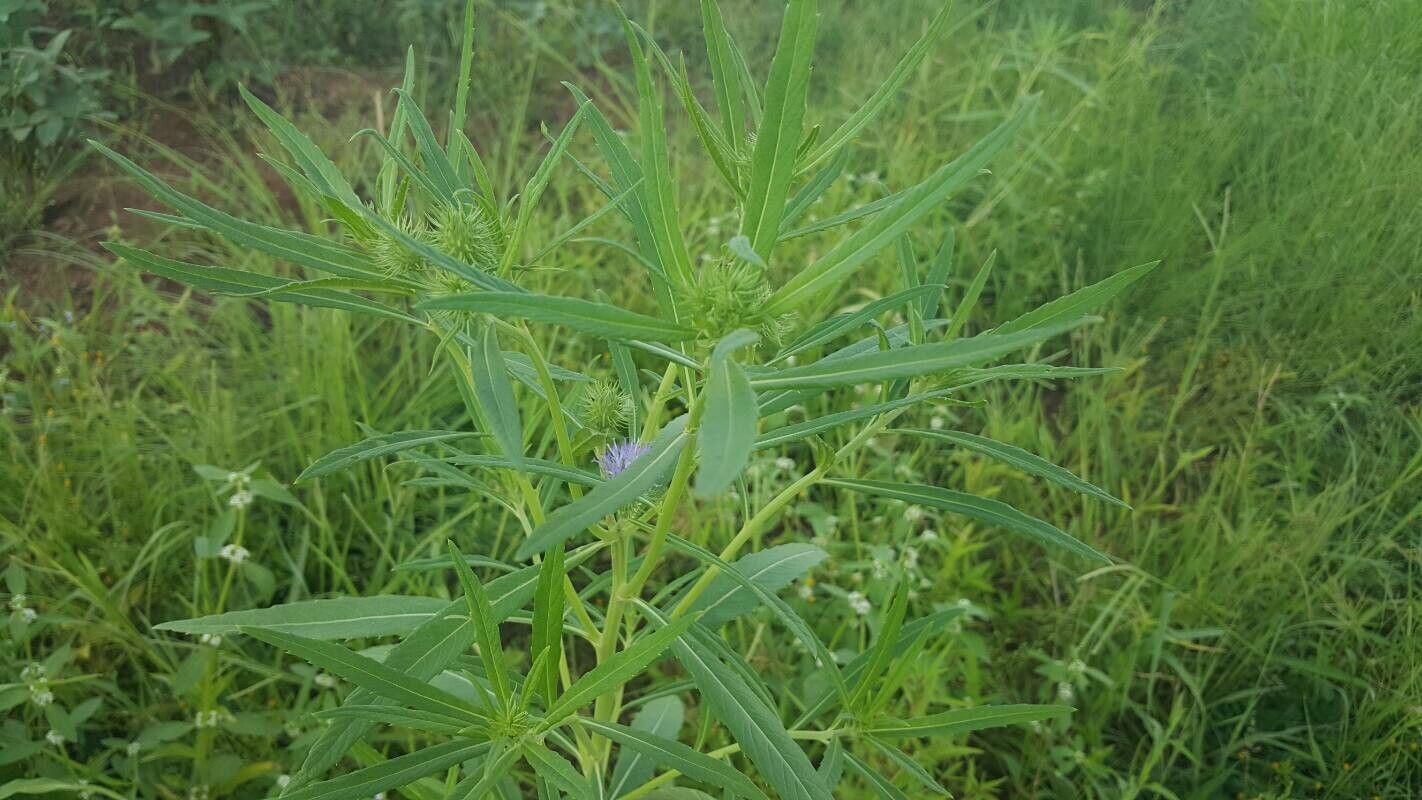
Taming the Ironweed: Propagating Vernonia galamensis for Bountiful Blooms
Vernonia galamensis, also known as ironweed, might sound like a character from a fantasy novel, but this unassuming plant is gaining popularity among gardeners and environmental enthusiasts alike. Why? This African native not only boasts stunning purple flowers that attract pollinators but also holds the key to a sustainable future thanks to its high-quality oil content.
Whether you’re drawn to its beauty or its eco-friendly potential, propagating Vernonia galamensis at home is a rewarding endeavor. So, let’s dig into the different methods to bring more of this fascinating plant into your life.
Propagating from Seed: A Test of Patience
The most common method for propagating Vernonia galamensis is by seed. However, be warned: these seeds are known for their somewhat erratic germination rates. But don’t let that discourage you! With the right approach, you’ll be enjoying their vibrant blooms in no time.
Here’s what you need to do:
- Source your seeds: Purchase seeds from a reputable supplier or collect them from existing plants. Ensure the seed heads are mature and dry before collecting.
- Prepare for sowing: Sow the seeds in a seed-starting mix or a well-draining potting mix. Lightly press the seeds onto the surface without burying them.
- Provide warmth and light: Vernonia galamensis seeds thrive in warmth. Place the seed tray in a bright location, but avoid direct sunlight.
- Be Patient: Germination can take anywhere from two weeks to two months. Keep the soil consistently moist but not waterlogged during this period.
Tip: Scarifying the seeds by lightly rubbing them between sandpaper can help improve the germination rate.
Vegetative Propagation: Taking the Fast Track
If you’re looking for faster results and want to ensure successful propagation, vegetative methods are the way to go.
- Cuttings: During the growing season, take 4-6 inch stem cuttings from healthy, non-flowering branches. Remove the lower leaves and dip the cut end in a rooting hormone before planting in a well-draining potting mix. Keep the cuttings moist and in a humid environment. Roots should develop within a few weeks.
- Division: Mature Vernonia plants can be divided in early spring or fall. Carefully dig up the plant and separate it into smaller clumps, ensuring each division has a good root system. Replant immediately and water thoroughly.
Caring for Your New Ironweed Progeny:
Once your Vernonia galamensis plants are established, whether from seed or vegetative propagation, they are relatively low-maintenance.
- Sunlight: They thrive in full sun to partial shade.
- Watering: Water regularly, especially during dry spells, but avoid overwatering.
- Soil: Well-draining soil is crucial to prevent root rot.
- Fertilizer: A balanced fertilizer can be applied during the growing season.
From Garden to Future:
Propagating Vernonia galamensis is more than just a gardening activity; it’s a step towards a more sustainable future. This versatile plant not only adds beauty to your garden but also holds the potential for biofuel production and other industrial uses. By learning to propagate this wonder plant, you become a part of a growing movement towards a greener tomorrow.