
Unlocking the Secrets to Multiply Your Veronica copelandii: A Propagation Guide
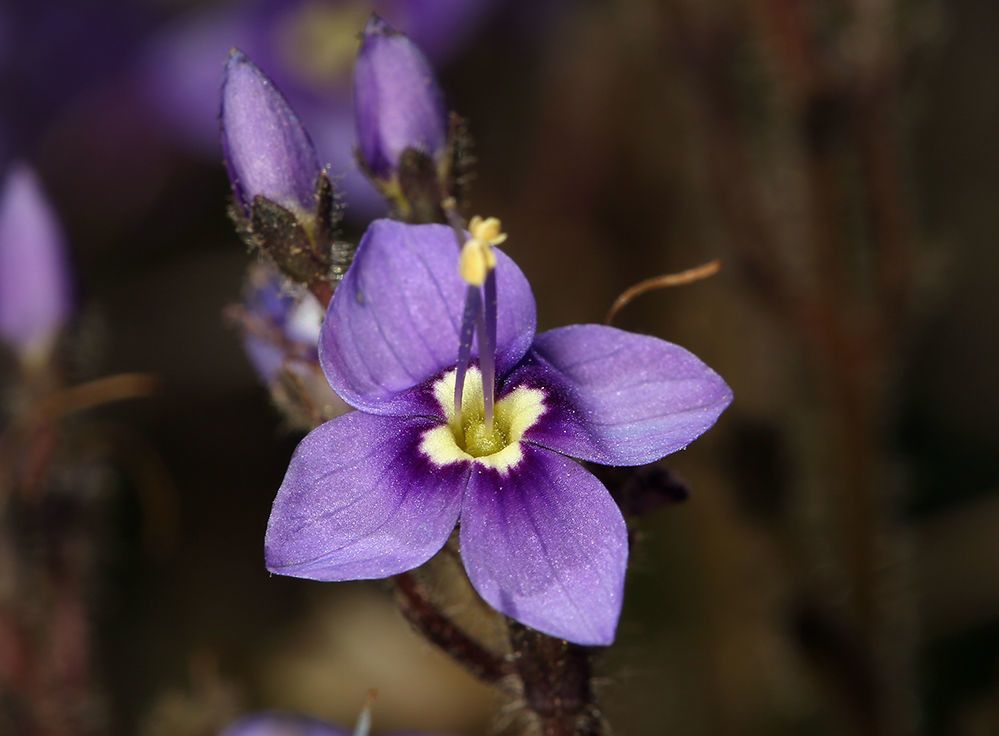
Veronica copelandii, with its delicate, sky-blue flowers and charmingly fuzzy foliage, brings a touch of ethereal beauty to any garden. But did you know that propagating this alpine treasure isn’t as daunting as you might think? Whether you’re an experienced gardener or just starting out, this guide will equip you with the knowledge to multiply your Veronica copelandii and share its captivating charm.
Understanding Veronica copelandii
Before we dive into propagation, let’s take a moment to appreciate this unique plant. Native to the high mountains of California, Veronica copelandii thrives in well-drained soil and sunny locations. Its low-growing habit, reaching only 4-6 inches tall, makes it perfect for rock gardens, troughs, or as a charming groundcover.
Propagation Methods: Seeds vs. Cuttings
Two primary methods exist for propagating Veronica copelandii:
Best Time: Late Fall or early Spring
Process: Sow seeds directly outdoors in a prepared seedbed or start them indoors six to eight weeks before the last frost. Lightly press the seeds into the soil, ensuring they receive adequate light for germination.
- Tip: Cold stratification (exposing seeds to a period of cold temperatures) can significantly improve germination rates, mimicking their natural environment.
- Cuttings Propagation
Best Time: Late Spring or early Summer
Process: Select healthy, non-flowering stems about 3-4 inches long. Remove the lower leaves and dip the cut end in rooting hormone to encourage root development. Plant the cuttings in a well-draining potting mix, ensuring the leaf nodes (where leaves were attached) are buried.
- Tip: Create a humid environment by covering the pot with a plastic bag or using a propagation dome to improve success rates.
Caring for Your Propagated Plants
Watering: Keep the soil consistently moist but not waterlogged. Allow the top inch of soil to dry out between waterings.
Light: Provide bright, indirect light for both seedlings and cuttings.
- Transplanting: Once seedlings have developed several sets of true leaves, or cuttings show significant root growth, transplant them into individual pots or your desired garden location.
Troubleshooting and Additional Tips
Damping-off: This fungal disease can affect seedlings. Prevent it by using a sterile seed starting mix and ensuring good air circulation.
Overwatering: Avoid overwatering, as this can lead to root rot.
- Pests: While generally pest-free, monitor your plants for aphids or spider mites and treat them promptly.
With a little patience and the right techniques, propagating Veronica copelandii can be a rewarding experience. Soon, you’ll have a flourishing collection of these delightful alpine plants, gracing your garden with their delicate beauty for years to come.