
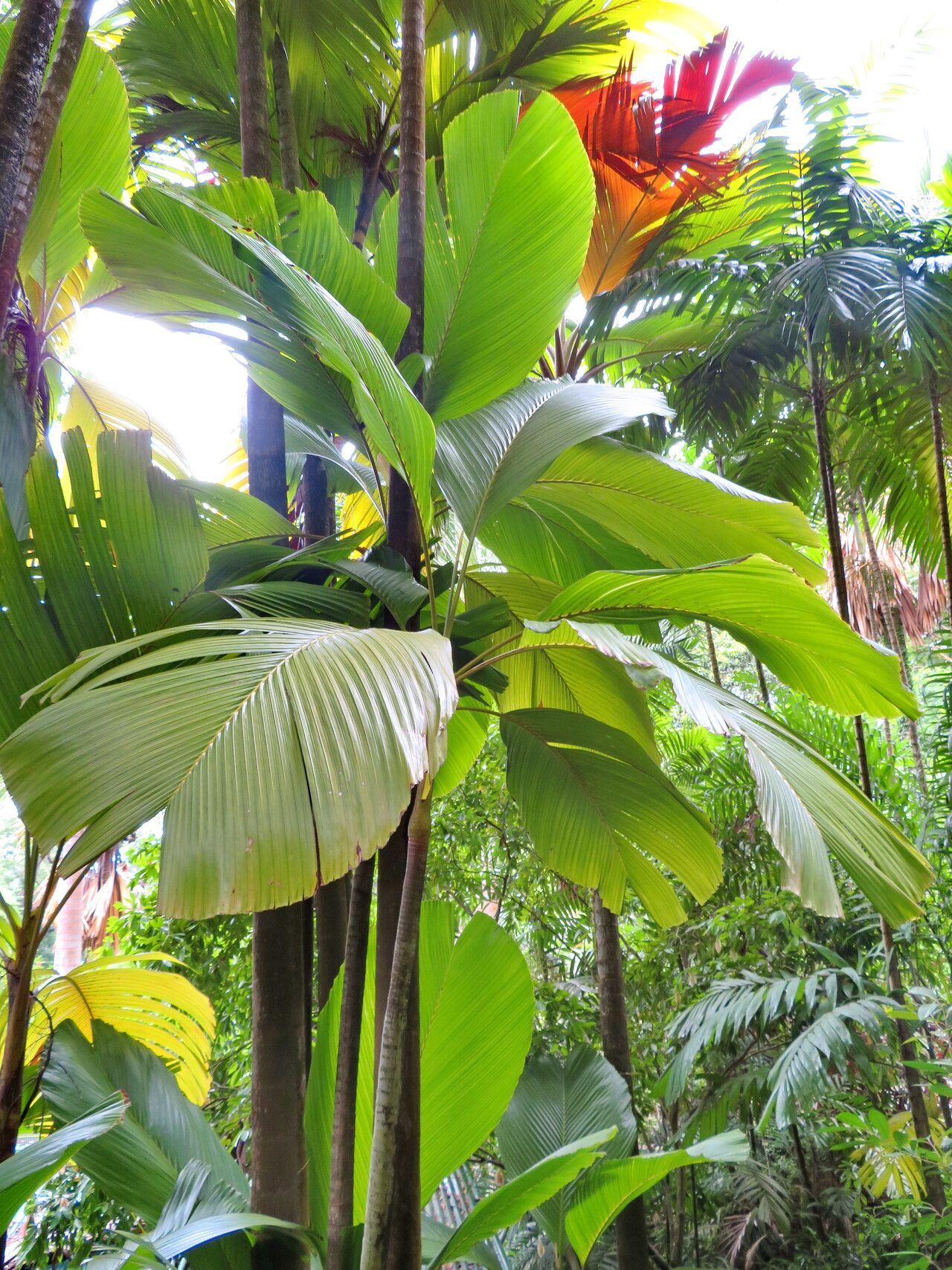
Unveiling the Secrets of the Seychelles Stilt Palm: A Propagation Guide to Verschaffeltia Splendida
Imagine a palm tree, not with a typical trunk, but with elegant, stilt-like roots that lift it above the forest floor like a graceful dancer. This is the enchanting allure of the Verschaffeltia splendida, more commonly known as the Seychelles stilt palm. Native to the Seychelles archipelago, this exotic beauty is a prized possession for collectors and plant enthusiasts wanting to bring a touch of the tropics home.
But the journey to witnessing a mature Verschaffeltia splendida with its iconic stilt roots and fan-shaped leaves is one that starts with successful propagation. This guide will delve into the secrets of multiplying this majestic species, empowering you to cultivate your very own piece of the Seychelles.
Seed Propagation: A Test of Patience
The most common method of propagating Verschaffeltia splendida is through seeds, though it requires a good dose of patience. Here’s how you can increase your chances of success:
- Sourcing Seeds: Opt for fresh, viable seeds from reputable suppliers.
- Preparing for Sowing: Soak the seeds in lukewarm water for 24-48 hours. This helps soften the outer shell and encourage germination.
- Sowing the Seeds: Choose a well-draining potting mix specifically formulated for palms. Plant the seeds about an inch deep in individual pots, ensuring the pointed end faces up.
- Providing Optimal Conditions: Place the pots in a warm, humid environment with temperatures consistently around 80-85°F (27-29°C). A seedling heat mat can be beneficial in maintaining consistent warmth.
- Patience is Key: Germination can be erratic, ranging from a couple of months to a year or more. Don’t lose hope! Keep the soil consistently moist but not waterlogged.
Other Propagation Methods: Less Common, but Possible
While seed propagation is the most common route, Verschaffeltia splendida can also be propagated through other, less conventional methods:
- Offsets: In mature specimens, you might find small plantlets emerging at the base. Carefully separate these offsets, ensuring they have developed their own root system. Plant them in individual pots and care for them as you would for seedlings.
- Air Layering: This advanced technique involves promoting root growth on a section of stem while it’s still attached to the parent plant. Once roots develop, the section is removed and potted. However, this method is less reliable with Verschaffeltia splendida.
Caring for Your Young Palms: A Recipe for Success
Once your seedlings or offsets begin to grow, they need proper care to thrive:
- Light: Provide bright, indirect light. Direct sunlight can scorch the delicate leaves of young plants.
- Water: Water regularly, allowing the top inch of soil to dry out between waterings. Good drainage is crucial to prevent root rot.
- Humidity: These palms thrive in high humidity. You can increase humidity around your plants by placing them on a tray filled with pebbles and water or using a humidifier.
- Fertilizer: Use a balanced, slow-release fertilizer specifically for palms during the growing season.
Propagating Verschaffeltia splendida might seem like a challenging endeavor, but the reward of witnessing this architectural marvel flourish in your care is truly gratifying. With patience, the right knowledge, and a touch of green thumb magic, you can successfully cultivate your own piece of the breathtaking Seychelles.