
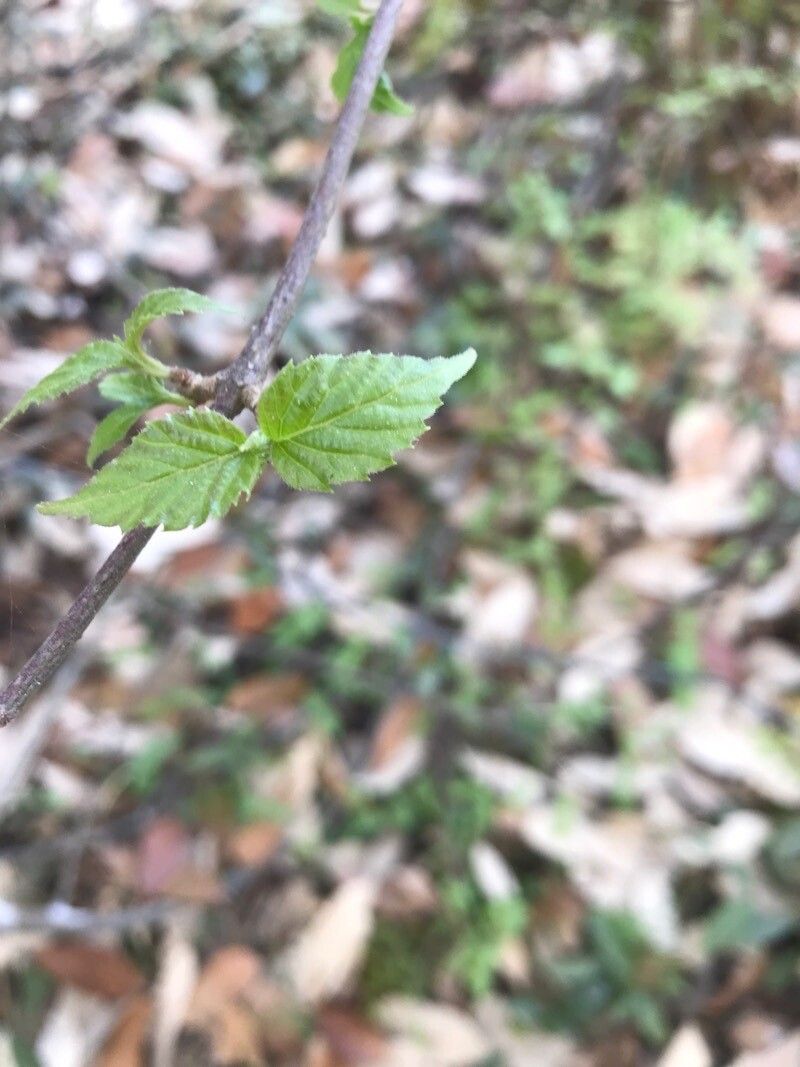
From One to Many: Propagating Your Own Viburnum Mullaha
The Viburnum mullaha, with its fragrant, snowball-like clusters of white flowers and captivating, red-tinged berries, is a true gem in any garden. But did you know that you can easily expand your beautiful Viburnum collection by propagating your own plants?
This guide will delve into the world of Viburnum mullaha propagation, equipping you with the knowledge to create new plants from cuttings or seeds, allowing you to enjoy the beauty of this shrub for years to come.
Rooting Viburnum Mullaha Cuttings: A Simple and Effective Method
Timing is Key: The best time for taking cuttings is during the late spring or early summer after the plant has finished flowering.
Choose Your Cutting: Select healthy, non-flowering stems that are about 6 inches long. Make a clean, sharp cut just below a node (where leaves grow) with a sharp knife or shears.
Prepare the Cutting: Remove the bottom two sets of leaves and make a diagonal cut at the base of the stem. Dip the cut end in a root hormone powder to stimulate root growth.
Planting the Cutting: Select a pot filled with a well-draining potting mix and make a hole deep enough to accommodate the cutting. Gently insert the cutting, ensuring that the bottom node is buried in the soil. Water the cutting thoroughly, keeping the soil consistently moist.
Foster Growth: Place the pot in a bright but indirect light location. To maintain humidity, cover the cutting with a plastic bag or dome to create a mini-greenhouse.
- Patience is Key: With consistent misting and care, roots should begin to form within a few weeks. Once the cutting shows signs of new growth, you can gradually introduce it to more sunlight and remove the plastic covering.
Growing Viburnum Mullaha from Seed: A Journey for the Patient Gardener
While more time-consuming than propagation by cutting, growing Viburnum mullaha from seed is a rewarding experience.
Collecting Seed: Gather mature, bright red berries from your Viburnum mullaha plant in the fall. The seeds are encapsulated within the berries and need to be extracted.
Cleaning and Stratification: After removing pulp, wash the seeds and allow them to dry. For optimal germination, seeds require a period of cold stratification, mimicking winter conditions. Place them in a sealed plastic bag with slightly moist vermiculite or peat moss and keep them in the refrigerator for about 3 months.
Sowing and Germination: Once stratification is complete, sow the seeds about ¼ inch deep in a seed tray filled with a light potting mix. Keep the soil moist and consistently warm (around 70°F) for a few weeks while the seeds germinate.
Transplanting: When seedlings develop a few true leaves, gently transplant them into individual pots, nurturing them with well-draining soil and consistent watering.
- Patience Pays Off: It may take a year or more for seedlings to grow into young plants. This process requires patience, but it is incredibly rewarding to watch a new Viburnum mullaha flourish from a single seed.
Whether propagating by cuttings or seeds, the journey of growing your own Viburnum mullaha is both satisfying and enriching. With a little effort, you can enjoy the vibrant beauty and luscious fragrance of this magnificent shrub for many years to come.