
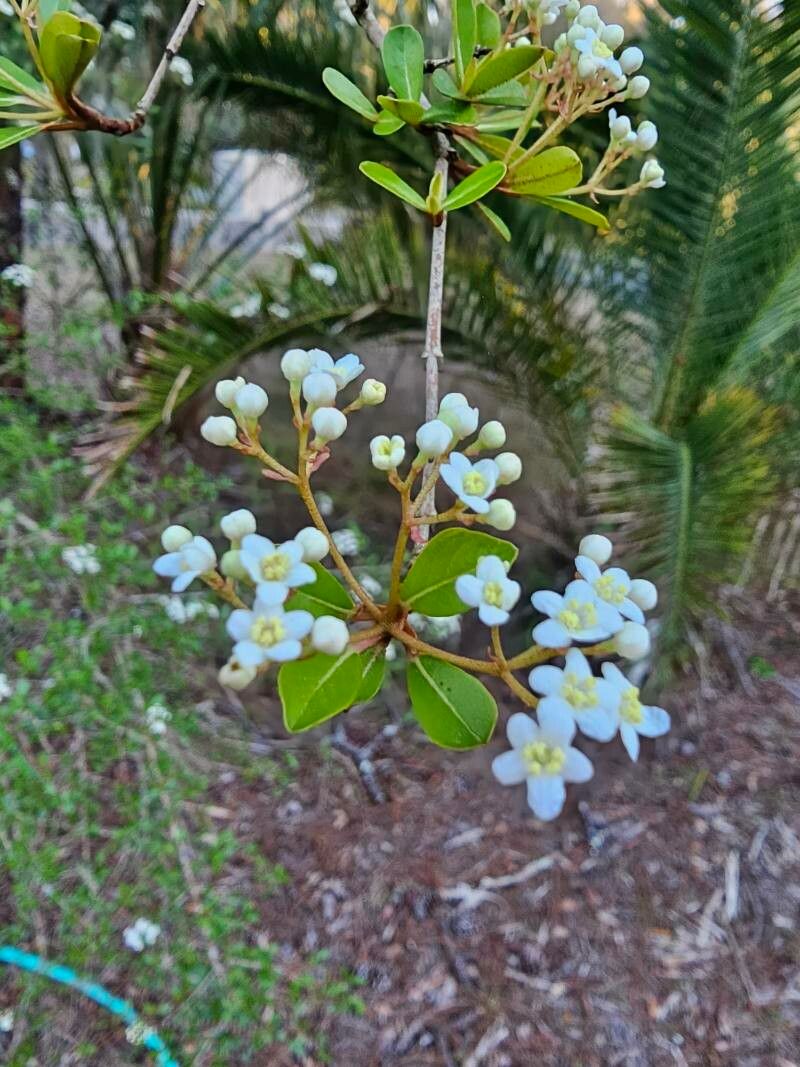
Propagating the Smooth Viburnum: A Gardener’s Guide to Viburnum obovatum
Introduction:
Viburnum obovatum, commonly known as the smooth viburnum or Walter’s viburnum, is a highly prized native shrub in the southeastern United States. Its glossy, dark green foliage, attractive white flowers in spring, and persistent dark blue-black berries make it a favorite among gardeners. Its tolerance of a range of conditions, including shade and coastal exposure, further enhances its appeal. However, despite its popularity, propagating this delightful shrub can present some unique challenges. This article explores various propagation methods for Viburnum obovatum, weighing their viability and effectiveness.
Seed Germination:
Currently, there are no known reliable methods for seed germination propagation of Viburnum obovatum. While seeds may theoretically be viable, germination rates are extremely low and unpredictable, even with stratification techniques. The challenges are likely due to seed dormancy mechanisms that have not been fully characterized for this species. Therefore, relying on seed germination for propagating this shrub is not recommended for practical purposes.
Cuttings:
Cuttings offer a more reliable propagation method for Viburnum obovatum.
Challenges: Successful rooting from cuttings requires attention to detail. The timing of cutting collection (preferably semi-hardwood cuttings in late summer/early fall) is critical, as is the use of rooting hormone and a consistently humid environment.
Practical Tips: Take 4-6 inch cuttings from non-flowering stems, removing lower leaves. Dip the cut ends in rooting hormone and plant in a moist, well-draining propagation mix (e.g., perlite and peat moss). Maintain high humidity by using a humidity dome or misting regularly. Bottom heat can also improve rooting success.
- Rewards: Cuttings offer a relatively quick and reliable method for producing genetically identical copies of the parent plant, preserving desirable traits. This method is ideal for small-scale propagation by home gardeners.
Division:
Division of established Viburnum obovatum plants is a viable option, but is limited by the plant’s size and age.
Challenges: This method only works with mature plants that have developed substantial root systems and multiple stems. Dividing too aggressively can severely damage the parent plant and reduce survival rates.
Practical Tips: Early spring, just before new growth begins, is the ideal time for division. Carefully dig up the entire plant, ensuring minimal root disturbance. Divide the root ball into sections, each containing several stems and a healthy root system. Replant immediately, ensuring the root system is well-covered and watered.
- Rewards: Division is a relatively straightforward method, offering an efficient way to increase the number of plants when multiple plants are desired. Furthermore, it avoids the need for specialized equipment used in other propagation methods.
Tissue Culture:
Tissue culture is a technically advanced method that is rarely used for Viburnum obovatum propagation at the home gardener level.
Challenges: This method requires specialized equipment, sterile conditions, and considerable expertise in plant tissue culture techniques. Establishing aseptic cultures and optimizing growth media formulations can be challenging and time-consuming.
Practical Tips: This method is best suited to commercial nurseries or research laboratories due to its complexity and cost. Protocols would need to be developed specifically for Viburnum obovatum, as standardized protocols may not be readily available.
- Rewards: Tissue culture offers the potential for large-scale propagation of disease-free plants, rapid multiplication, and genetic uniformity.
Conclusion:
Propagating Viburnum obovatum presents unique challenges, with seed germination proving unreliable. Cuttings offer the most accessible and dependable method for most home gardeners, while division is feasible for larger established plants. Tissue culture remains a specialized technique best left to professionals. The rewards of successfully propagating this beautiful shrub, however, are substantial. The patience and skill required in overcoming these challenges amplify the satisfaction of nurturing a young plant to maturity, a testament to the gardener’s dedication and perseverance. So, embrace the challenge, select your preferred method, and enjoy the fruits of your labor – a thriving Viburnum obovatum in your garden.