
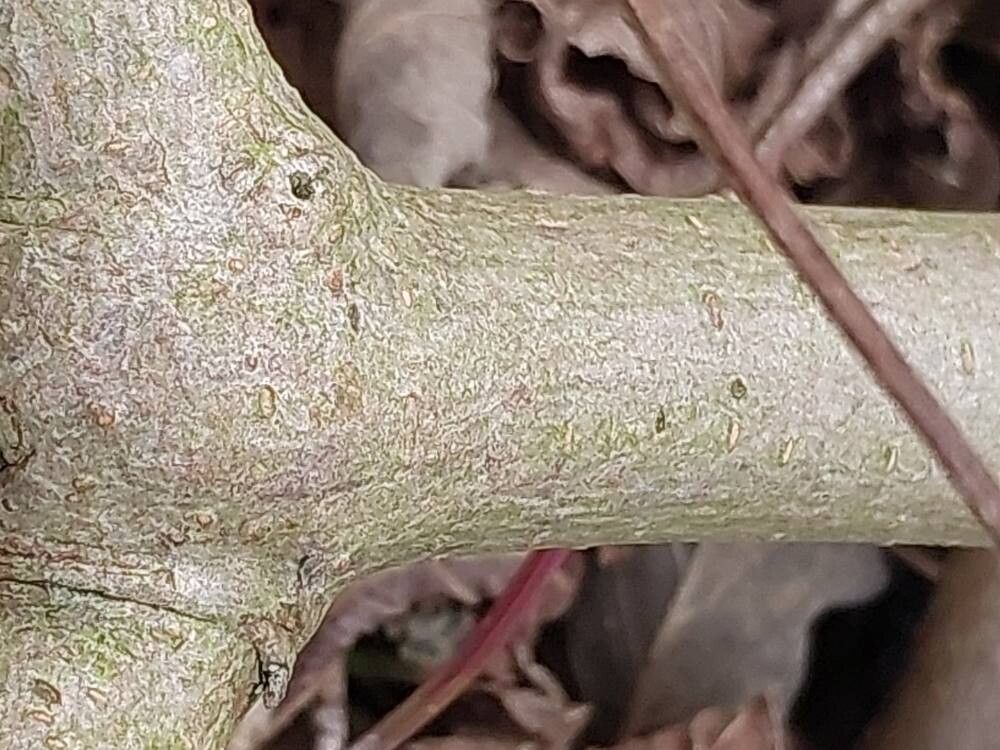
Propagating Viburnum phlebotrichum: A Gardener’s Guide
Introduction:
Viburnum phlebotrichum, commonly known as the leatherleaf viburnum or lianoides viburnum, is a prized shrub appreciated for its striking, dark green, leathery foliage and attractive white flowers followed by showy red berries. Its dense, rounded form makes it a versatile addition to gardens, suitable for hedging, borders, or as a specimen plant. While relatively hardy and adaptable, its propagation can pose some unique challenges, making successful cultivation all the more rewarding. The unique aspects related to its propagation usually center around its recalcitrant nature, meaning the ease of propagation isn’t straightforward.
Seed Germination:
Currently, there are no known reliable methods for seed germination propagation of Viburnum phlebotrichum. The seeds often exhibit very low germination rates even under ideal conditions, and the seedlings, if they do emerge, are slow-growing and often inconsistent. Many Viburnum species have dormancy periods that require specific conditions to break, which appear to be particularly pronounced in Viburnum phlebotrichum.
Cuttings:
Cuttings offer a more reliable method for propagating Viburnum phlebotrichum than seed germination. However, challenges remain. Softwood cuttings taken in spring, or semi-hardwood cuttings in summer, offer the best chances of success.
- Challenges: Success rates aren’t guaranteed, and rooting can be slow. The cuttings are susceptible to fungal diseases if not kept in consistently moist but well-drained conditions.
- Practical Tips: Use a well-draining rooting medium, such as a mix of perlite and peat moss or a special propagation mix. Apply a rooting hormone to encourage root development. Maintain high humidity using a propagator or humidity dome. Mist regularly to keep the cuttings moist.
- Rewards: Cuttings produce genetically identical plants, ensuring the continuation of desirable traits. This method is readily scalable for smaller numbers of plants.
Division:
Division is generally not a suitable method for propagating Viburnum phlebotrichum. Its root system is not easily divided, and severely disturbing the roots can severely impact the plant’s viability.
Tissue Culture:
Tissue culture offers a potentially effective method for large-scale propagation of Viburnum phlebotrichum, bypassing many of the challenges associated with other methods.
- Challenges: Tissue culture requires specialized equipment, sterile conditions, and technical expertise. It’s a more complex and expensive method compared to cuttings. Establishing a suitable protocol for this species might require experimentation.
- Practical Tips: Finding a reputable tissue culture lab with experience in propagating woody plants is crucial. This method allows for the multiplication of many plants from small amounts of starting material.
- Rewards: Tissue culture affords the potential for mass propagation, offering a valuable tool for conservation efforts and commercial production. It allows for disease-free plants.
Conclusion:
Propagating Viburnum phlebotrichum presents certain hurdles, with seed germination proving particularly challenging. Cuttings offer a relatively accessible, albeit not always predictable, method for achieving propagation at a manageable scale. Tissue culture presents a powerful option for larger-scale production but requires specialized knowledge and resources. The difficulty involved, however, only adds to the satisfaction of successfully cultivating this beautiful shrub. The sight of newly rooted cuttings or the flourishing growth of tissue-cultured plants is a testament to one’s patience and horticultural skills. For aspiring propagators, remember persistence is key. Start with a method suited to your resources and experience, focusing on maintaining ideal environmental conditions and employing careful technique. The reward of cultivating this unique plant is well worth the effort.