
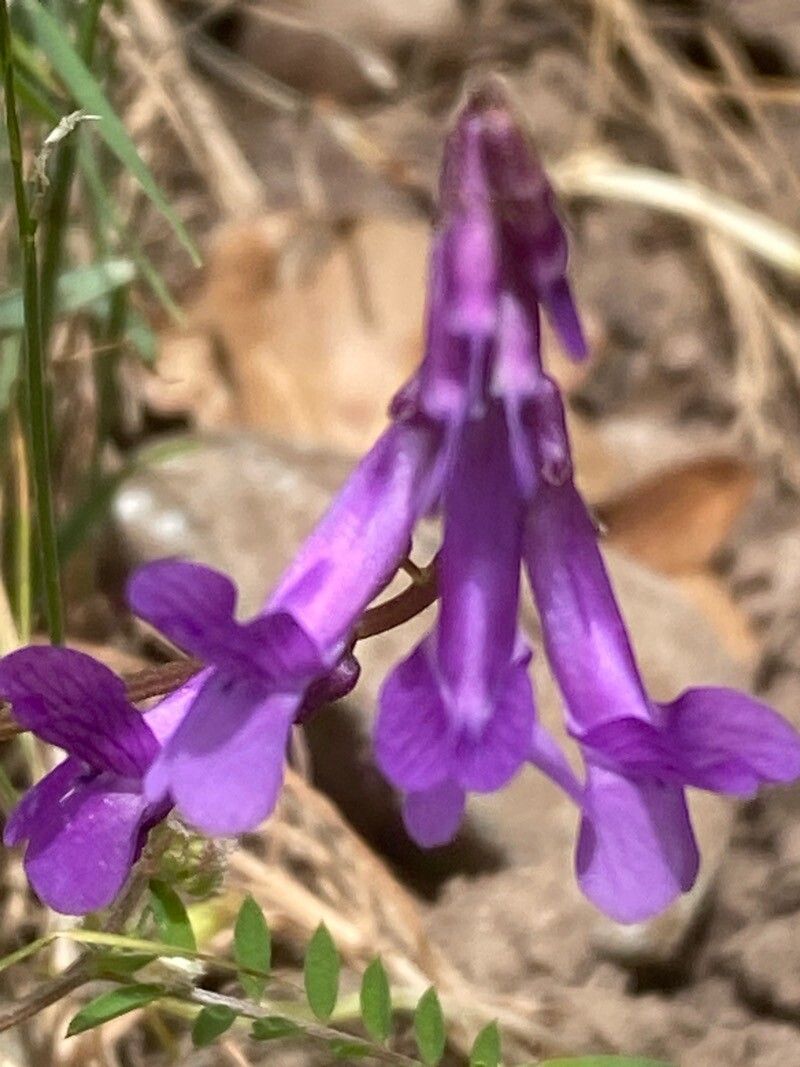
Taming the Wild Beauty: A Guide to Propagating Cretan Vetch (Vicia cretica)
Cretan vetch (Vicia cretica), with its delicate purple blooms and cascading foliage, brings a touch of wild charm to any garden. While you might think a plant with such a wild spirit would be difficult to tame, propagating Cretan vetch is surprisingly straightforward. Whether you’re looking to expand your vetch patch or share its beauty with friends, this guide will equip you with the knowledge to propagate this charming climber.
Understanding Cretan Vetch
Before diving into propagation, let’s get to know our subject a little better. Native to the Mediterranean region, Cretan vetch is a climbing legume that thrives in sunny locations with well-drained soil. It’s known for its resilience, drought tolerance, and ability to fix nitrogen in the soil, making it a fantastic companion plant.
Propagation Methods: Seed vs. Cuttings
Cretan vetch offers two primary methods of propagation: seeds and stem cuttings. Both have their pros and cons, and the best choice will depend on your resources and preferences.
1. Seed Propagation: Embracing the Element of Surprise
Propagating Cretan vetch from seed is an adventure, offering the excitement of witnessing new life sprout. Here’s how to do it:
• Seed Collection: Collect mature seed pods from existing plants in late summer or early fall. Allow the pods to dry completely before cracking them open to reveal the seeds.
• Cold Stratification (Optional): Mimicking nature’s process, cold stratification can help improve germination rates. Place the seeds in a damp paper towel inside a sealed bag and refrigerate for 4-6 weeks.
• Sowing: Sow seeds directly outdoors in spring after the last frost, or start them indoors 6-8 weeks before transplanting. Lightly cover the seeds with soil and keep them consistently moist.
• Patience is key: Seeds may take a few weeks to germinate. Be patient, and soon you’ll see tiny vetch seedlings emerge.
Pros:
- Cost-effective: Seeds are generally inexpensive.
- Larger quantity: You can propagate many plants at once.
- Genetic diversity: Seed propagation allows for natural variations.
Cons:
- Slower process: It takes longer to grow mature plants from seeds.
- Variability: Seedlings might not always exhibit the same characteristics as the parent plant.
2. Stem Cuttings: Cloning for Consistency
If you prefer a quicker and more predictable approach, propagating from stem cuttings is the way to go.
• Timing is everything: Take cuttings in spring or early summer when the plant is actively growing.
• Selecting the Right Cuttings: Choose healthy stems that are about 4-6 inches long and have at least two sets of leaves.
• Preparing the Cuttings: Remove the bottom leaves and make a clean cut just below a leaf node. You can dip the cut end in rooting hormone to encourage faster root development.
• Planting and Care: Plant the cuttings in a well-draining potting mix, burying the bottom node. Keep the soil consistently moist and provide indirect sunlight.
• Transplanting: Once the cuttings develop a strong root system, usually within 4-6 weeks, you can transplant them to their permanent location.
Pros:
- Faster results: Cuttings develop into mature plants quicker than seeds.
- Clones: You will obtain plants identical to the parent plant.
Cons:
- Limited quantity: The number of cuttings you can take is limited by the size of the parent plant.
Caring for Your New Cretan Vetch
Whether you chose seeds or cuttings, your new vetch plants will reward your efforts with their vibrant beauty. Provide them with well-drained soil, ample sunlight, and regular watering, and enjoy watching your Cretan vetch flourish!
Remember, propagating your own plants is an incredibly rewarding experience. So why not try your hand at propagating Cretan vetch and surround yourself with its captivating wild charm?