
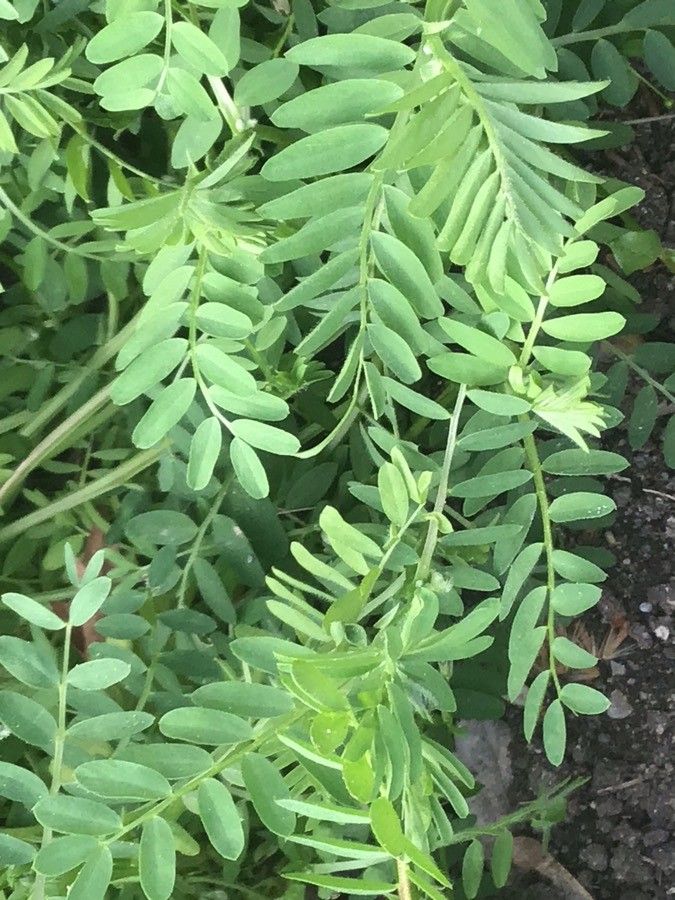
Seeding Success: Your Guide to Growing the Ancient Vetch (Vicia ervilia)
Vicia ervilia, more commonly known as bitter vetch or Rovi, might not be as familiar as lentils or chickpeas, but this ancient legume packs a nutritional punch and boasts a history entwined with agriculture for millennia. If you’re looking to grow something unique and rewarding in your garden, Vicia ervilia might be your new favorite project. Let’s dive into how you can successfully propagate this fascinating crop.
Understanding Vicia ervilia
Before we delve into propagation, it’s helpful to understand a little bit about this resilient plant. Vicia ervilia is a cool-season legume, thriving in temperate climates with mild winters and dry summers. As a nitrogen-fixer, it enriches the soil, making it an excellent choice for crop rotation and promoting biodiversity in your garden.
Propagation: Seeds are the Key
Unlike some legumes that can be propagated through cuttings, Vicia ervilia is primarily grown from seed. Here’s how to maximize your chances of germination and successful establishment:
1. Seed Acquisition:
- Reliable Sources: Purchase seeds from reputable online retailers or seed catalogs specializing in heirloom and unusual varieties. Ensure the seeds are fresh for best germination rates.
- Seed Saving: If you have access to an established Vicia ervilia plant, you can harvest seeds from dried pods once the plant has reached maturity. Allow the pods to dry completely on the plant before collecting.
2. Pre-Sowing Treatment:
- Scarification (Optional): Vicia ervilia seeds have a hard outer coating that can benefit from scarification. This involves gently nicking or rubbing the seed coat with sandpaper to enhance water absorption.
- Soaking: Soaking seeds overnight in lukewarm water can further improve germination rates by softening the seed coat and kickstarting the germination process.
3. Sowing:
- Timing: Plant Vicia ervilia seeds in early spring or late fall, depending on your climate. Choose a time when the soil is workable and temperatures are cool.
- Soil Preparation: Vicia ervilia prefers well-drained soil with a slightly acidic to neutral pH (6.0 to 7.0). Light tilling and incorporating compost before sowing can enhance drainage and provide essential nutrients.
- Sowing Depth: Plant seeds approximately 1-2 inches deep and space them 2-4 inches apart. Rows should be spaced around 12-18 inches apart to accommodate the plant’s mature size.
4. Post-Sowing Care:
- Watering: Keep the soil consistently moist but not waterlogged, especially during the germination period.
- Weed Control: Regularly remove any weeds that compete with your Vicia ervilia seedlings for nutrients and sunlight.
- Support: While not strictly necessary, Vicia ervilia can benefit from some form of support, like stakes or trellises, as they grow. This can help prevent the plants from sprawling and make harvesting easier.
Harvesting the Rewards:
Vicia ervilia takes approximately 4-5 months to mature. You’ll know your plants are ready for harvest when the pods have turned brown and dry. Collect the pods and thresh them to separate the seeds. You can then use the seeds for various culinary purposes, including grinding them into flour, using them as a protein source in stews, or enjoying them as a unique and flavorful snack.
Propagating Success with Vicia ervilia:
Growing Vicia ervilia is a rewarding experience, connecting you with a plant of ancient lineage and offering a unique addition to your garden and kitchen. By following these propagation tips, you’ll be well on your way to cultivating this resilient and fascinating legume. So, why not give Vicia ervilia a try? You might be surprised by the bounty and satisfaction it brings.