
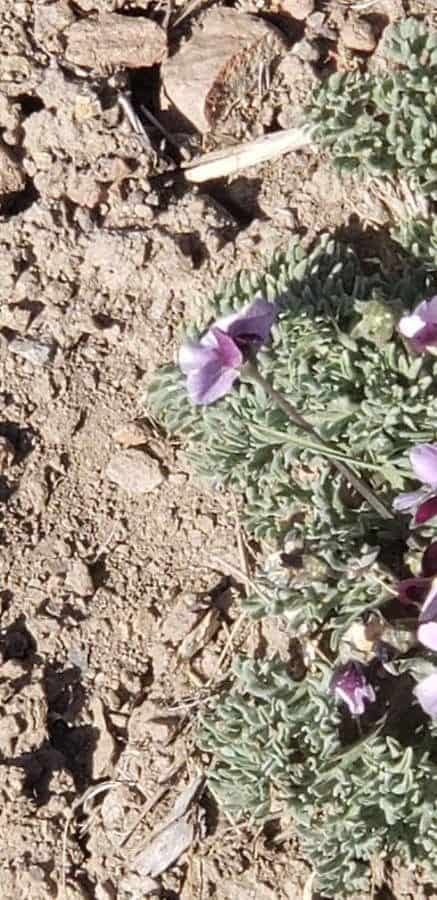
Unveiling the Secrets of Great Basin Violet Propagation: Tips for Success with Viola beckwithii
The Great Basin violet, scientifically known as Viola beckwithii, is a captivating wildflower native to the Western United States. Its delicate purple blooms, often accented with white and yellow, add a splash of vibrant color to the often-harsh landscapes it calls home.
If you’re looking to invite this charming wildflower into your garden, understanding its propagation methods is key. Now, Viola beckwithii can be a bit particular, but with the right knowledge and a touch of patience, you can successfully cultivate these beauties.
Seed Starting: A Rewarding Challenge
Seed Collection and Storage: Collect seeds from mature Viola beckwithii plants in late spring or early summer. Look for small, brown capsules containing the seeds. Store these seeds in a cool, dry place until ready for planting.
Stratification – A Winter Nap: Viola beckwithii seeds require a period of cold stratification to mimic their natural winter dormancy. You can achieve this by either sowing seeds outdoors in the fall or by cold-stratifying them indoors. For indoor stratification, mix seeds with a moist (not wet) medium like vermiculite or sand, and store them in the refrigerator (around 40°F) for 6-8 weeks.
Sowing Time: Sow stratified seeds outdoors after the last frost in spring, or start them indoors 6-8 weeks before the last frost.
Planting Depth and Care: Whether sowing indoors or outdoors, lightly press seeds into a well-draining seed starting mix, but do not bury them. Keep the soil consistently moist but not waterlogged.
- Germination: Germination can be slow, taking anywhere from a few weeks to a couple of months. Be patient, and provide consistent moisture and indirect sunlight during this time.
Division: For Established Plants
If you already have a thriving Viola beckwithii plant, division offers a more straightforward propagation method.
Timing is Key: The best time to divide is in early spring, just as new growth emerges.
Gentle Separation: Carefully dig up the plant, ensuring you get a good root mass. Using a sharp, clean knife or garden shears, divide the plant into sections, making sure each section has a healthy portion of roots and shoots.
- Replanting: Replant the divided sections in well-draining soil, spacing them about 12 inches apart. Water thoroughly and provide partial shade, especially during the hottest part of the day.
Nurturing Your Great Basin Beauties
Regardless of your chosen propagation method, providing the right growing conditions will ensure your Viola beckwithii thrives:
- Sunlight: Plant in an area that receives morning sun and afternoon shade. In hotter climates, full shade might be necessary.
- Soil: They prefer well-drained, slightly acidic soil that is rich in organic matter.
- Water: Keep the soil consistently moist, especially during dry spells. Allow the soil to dry slightly between waterings to prevent root rot.
- Pests and Diseases: Viola beckwithii is relatively resistant to pests and diseases. However, be sure to practice good garden hygiene and monitor for any signs of trouble.
Propagating Viola beckwithii requires some finesse, but the reward of these exquisite wildflowers gracing your garden is well worth the effort. By following these tips and understanding their natural growth patterns, you can experience the joy of cultivating these captivating beauties in your own backyard.