
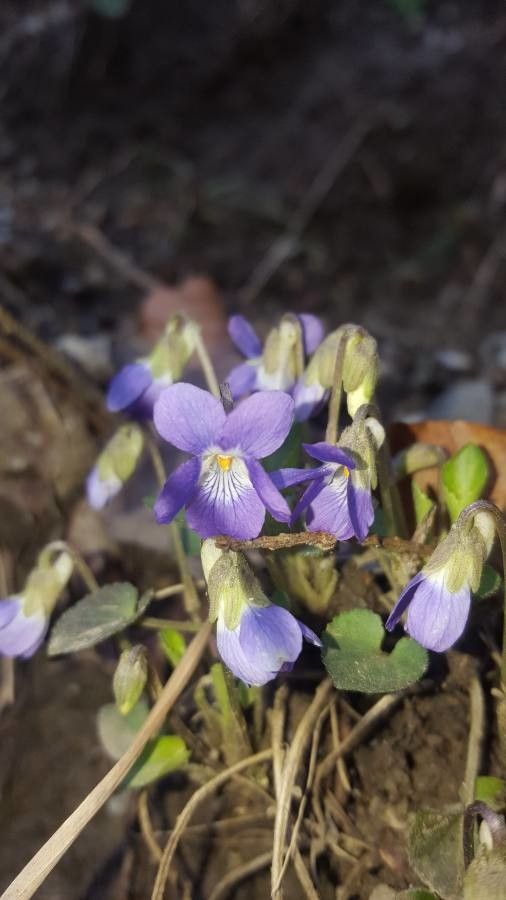
Unlocking the Secrets of Viola Collina Propagation: A Guide to Growing More of These Charming Violets
Viola collina, also known as the hill violet, is a delight for any garden with its charming, heart-shaped leaves and delicate purple blooms. Unlike many of its violet cousins, this European native boasts an understated elegance that’s perfect for rock gardens, woodland settings, or even naturalized areas. But how do you go about propagating this lovely wildflower? While it might seem shrouded in mystery, successfully growing Viola collina is entirely achievable with the right knowledge. Let’s delve into the secrets of propagating this hardy beauty.
Two Paths to Propagation
There are two primary methods for propagating Viola collina: seed sowing and division. Each approach has its merits and considerations, so choosing the method that best suits your gardening style and resources is key.
1. Seed Sowing: A Journey of Patience and Reward
Propagating Viola collina from seed offers a rewarding experience for patient gardeners. Here’s what you need to know:
- Collecting Seeds: After the blooms fade, Viola collina produces small seed capsules. Collect these capsules when they turn brown and begin to split open, indicating seed maturity.
- Sowing Time: For optimal germination, sow the seeds outdoors in the fall. This allows them to experience the natural freeze-thaw cycles needed to break their dormancy.
- Creating the Perfect Bed: Choose a well-drained location with partial shade. Sow the seeds on the soil surface and lightly press them down, ensuring they receive good contact.
- Patience is Key: Germination can be slow and sporadic, often taking several weeks or even until the following spring. Don’t be disheartened if you don’t see immediate results.
2. Division: A Quick and Reliable Method
If you’re seeking a faster and more predictable propagation method, division is the way to go. Follow these steps for success:
- When to Divide: The ideal time for division is in early spring or fall when the plants are dormant.
- Lifting and Dividing: Carefully lift the Viola collina clump from the ground, ensuring you get a good root ball. Gently tease apart the clump into smaller sections, each with healthy roots and shoots.
- Replanting: Replant the divided sections at the same depth they were originally growing, spacing them about 12 inches apart. Water them in well and provide consistent moisture as they establish.
Nurturing Your Viola Collina
Regardless of your chosen propagation method, providing the right growing conditions is vital for flourishing Viola collina plants:
- Light Requirements: These shade-loving violets thrive in dappled sunlight or partial shade. Avoid locations with harsh afternoon sun.
- Soil Preference: Well-drained soil with consistent moisture is crucial. Amending the soil with organic matter can improve drainage and fertility.
- Watering Needs: While tolerant of some drought, Viola collina performs best with regular watering, especially during dry spells.
- Pest and Disease Resistance: These hardy violets are generally pest and disease-free, adding to their appeal for low-maintenance gardens.
Reap the Rewards of Your Efforts
Propagating Viola collina is an enriching endeavor for both novice and experienced gardeners. Whether you choose to embark on the journey of seed sowing or prefer the quicker reward of division, your efforts will be rewarded with beautiful, delicate blooms that bring joy year after year. With a little patience and care, you can unlock the secrets of propagating this charming violet and expand its presence in your garden haven.