
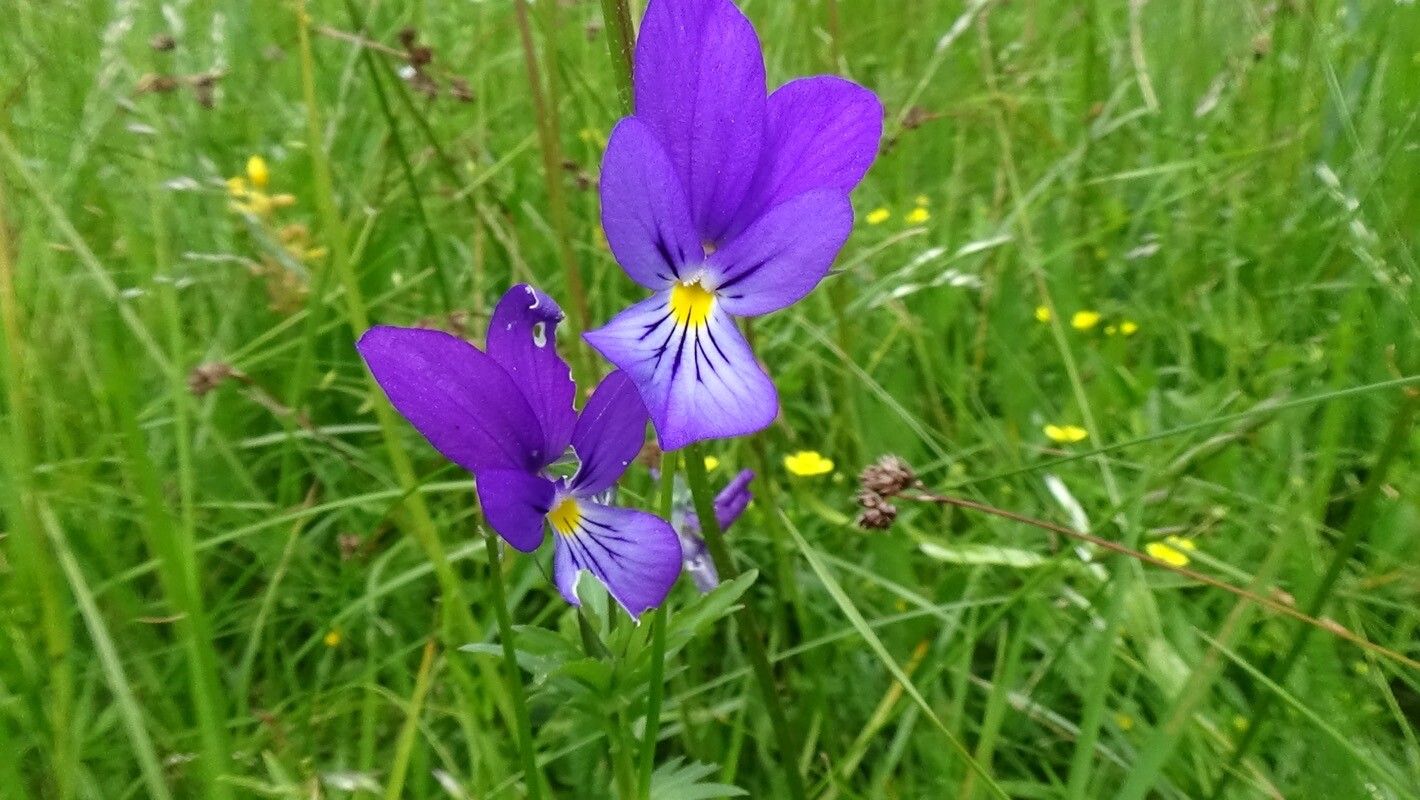
From Seed to Bloom: Propagating the Delicate Beauty of Viola Declinata
The Viola Declinata, also known as the Downy Yellow Violet, is a charming and adaptable wildflower that deserves a place in any garden. Its cheerful bright yellow blooms and delicate appearance make it a delightful addition to borders, woodland gardens, and even containers. But what if you want to share this beauty with others or expand your own collection? The answer lies in the ancient art of plant propagation.
A Simple Approach: Seed Propagation
Viola Declinata readily reproduces through seeds, allowing you to easily grow new plants from scratch. This method offers several advantages:
- Abundant Seed Availability: The plant produces numerous seed pods after flowering, providing a plentiful supply for propagation.
- Affordable: Starting from seed is a cost-effective way to expand your Viola Declinata collection.
- Genetic Diversity: Growing from seed can introduce a range of variations within your population, potentially leading to interesting new color and growth patterns.
The Process of Sowing Viola Declinata Seeds:
- Harvest Seeds: Once the seed pods turn brown and dry, collect them and gently extract the seeds.
- Prepare the Soil: Choose a well-draining seed starting mix and fill seed trays or pots.
- Direct Sow: Scatter the seeds thinly on the surface of the soil, lightly pressing them in but not covering them deeply.
- Water Gently: Mist the soil with water to keep it moist but not soggy.
- Provide Light: Place the trays in a bright location, but avoid direct sunlight.
- Germination: Viola Declinata seeds usually germinate within 2-4 weeks. Maintain moisture and adequate light.
Creating Clones: Vegetative Propagation
For those who prefer quicker results with genetically identical plants, vegetative propagation through division is a viable option. This method involves dividing the root system of an existing plant into separate sections, each with its own root mass and stem.
Dividing Viola Declinata:
- Timing: The best time for division is in early spring or fall when the plants are dormant.
- Dig and Divide: Carefully dig up a mature Viola Declinata plant. Use a sharp knife or gardening shears to divide the root mass into individual sections, each with several stems.
- Replant: Plant the divisions in well-prepared soil, spacing them according to their mature size.
- Water Thoroughly: Provide regular watering to help the plants establish themselves.
Tips for Success:
- Location is Key: Choose a spot that offers dappled shade or partial sun, as direct sunlight can scorch the delicate leaves.
- Well-Drained Soil: Viola Declinata prefers soil that drains well, avoiding soggy conditions.
- Regular Watering: Keep the soil consistently moist, especially during dry periods.
- Fertilization: A light application of balanced fertilizer in spring can promote vigorous growth.
Conclusion:
Propagation of Viola Declinata is a rewarding experience, allowing you to expand your garden with these beautiful wildflowers. Whether you opt for the simple charm of seed propagation or the faster results of division, the joy of nurturing these delicate blooms from seed to bloom is an enriching experience. Remember to choose the method that best suits your needs and garden space, and enjoy the beauty of these vibrant wildflowers!