
From Tiny Seeds to a Field of Stars: Propagating Viscaria Asterias
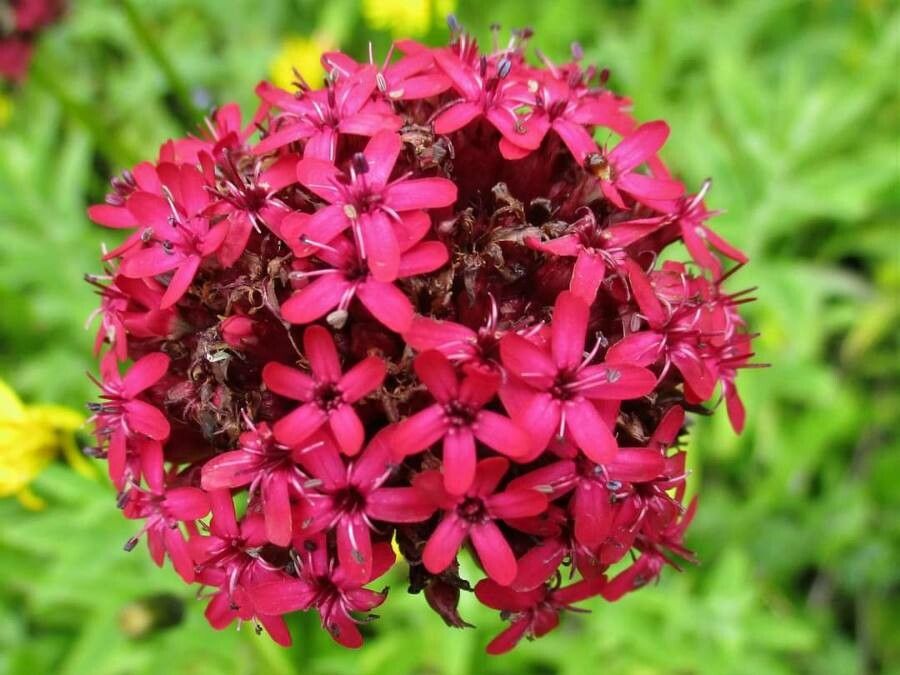
Viscaria asterias, often called the “sticky catchfly,” is a captivating wildflower with a charming name and an even more charming appearance. Its vibrant pink blooms resembling tiny stars make it a delightful addition to any garden. But did you know you can easily multiply your Viscaria asterias plants through propagation?
This blog post will guide you through the world of Viscaria asterias propagation, exploring the different techniques and providing helpful tips to ensure success.
The Joys of Propagation
Propagating your own Viscaria asterias plants offers several advantages:
- Financial Savings: Buying new plants can be expensive, while propagation offers a cost-effective way to expand your garden.
- Variety Preservation: If you have a unique or rare variety, propagation ensures its continuation.
- Increased Garden Diversity: Propagation allows you to fill your garden with more of your favorite flowers and create stunning arrangements.
- Simple and Rewarding: Propagation is a rewarding hobby that connects you with the natural world.
Methods of Propagation
There are two primary methods for propagating Viscaria asterias:
1. Seed Propagation:
- Collecting Seeds: When your Viscaria asterias flowers fade, seed pods will develop. Collect these pods when they are brown and dry. Open them carefully to extract the tiny, black seeds.
- Sowing Seeds: Sow seeds in a seed tray filled with a seed-starting mix. Lightly press the seeds into the soil but don’t cover them. Keep the soil moist and warm.
- Germination: Viscaria asterias seeds require light for germination, so avoid covering them deeply. Depending on the conditions, germination can take anywhere from 10 to 20 days.
2. Division:
- Timing: Divide established Viscaria asterias plants in early spring or fall.
- Preparation: Dig up the plant carefully and gently separate it into several smaller divisions, each with roots and a good amount of foliage.
- Planting: Plant the divisions in new locations, ensuring adequate spacing for growth. Water them well and provide light shade for the first few weeks.
Tips for Success
- Soil Quality: Viscaria asterias prefers well-draining soil. Amend your soil with sand or compost if necessary.
- Sunlight: This species thrives in full sun. Choose a sunny spot for your plants.
- Watering: Water regularly, especially during dry periods, but avoid overwatering.
- Fertilizing: Fertilize lightly with a balanced fertilizer a few times during the growing season.
- Pest and Disease Management: Monitor for common pests like aphids and slugs. Treat them promptly if necessary.
The Rewards of Propagation
Seeing a tiny seed sprout and grow into a beautiful Viscaria asterias plant is immensely satisfying. It’s a rewarding experience that connects you to the natural world and allows you to enjoy your favorite flower even more. Propagation is a simple yet powerful technique that anyone can master, allowing you to create a vibrant and prosperous garden filled with the captivating charm of Viscaria asterias.