
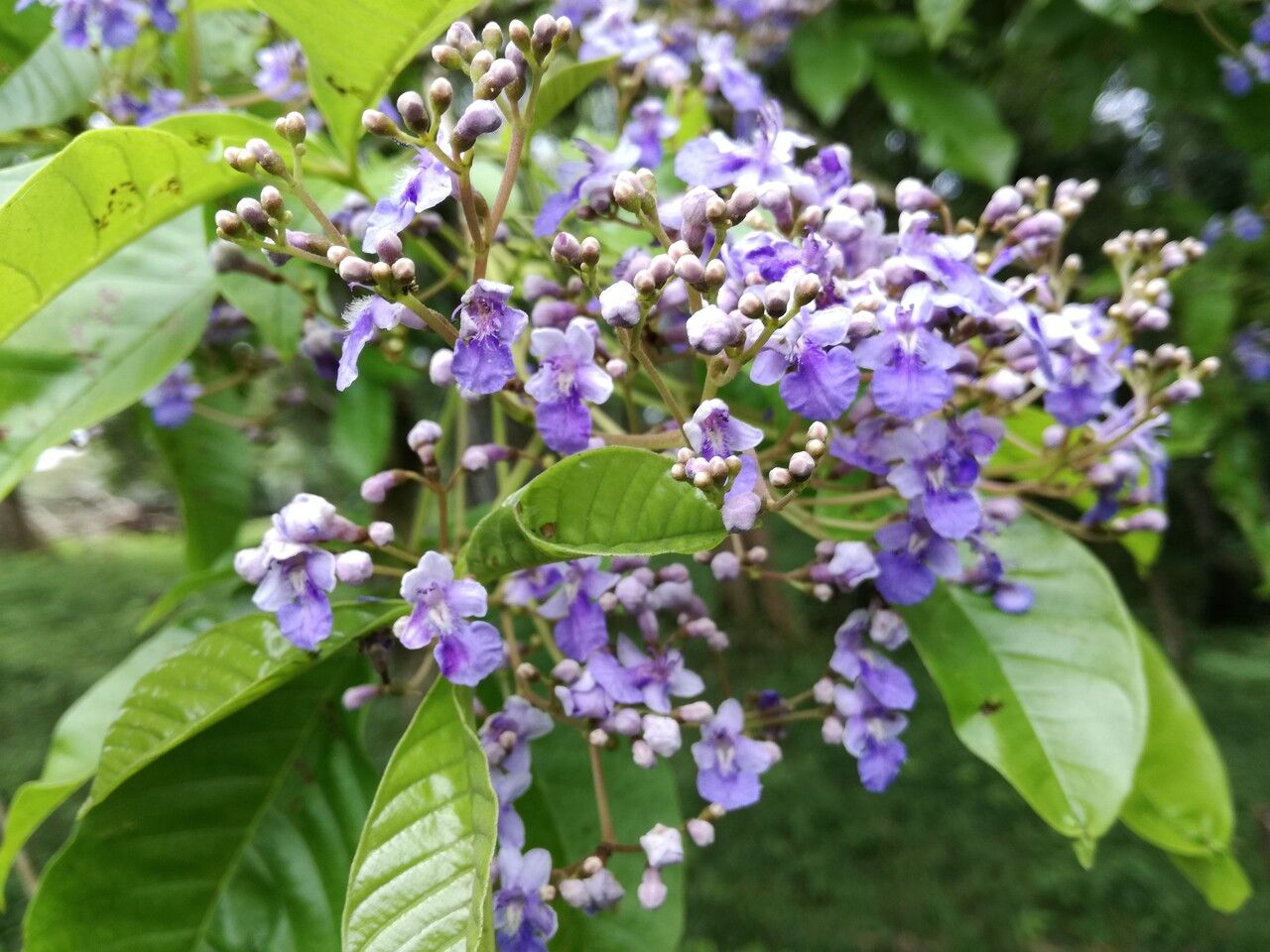
Unlocking the Secrets of Vitex cooperi Propagation: Grow Your Own Stunning Lilac Chaste Tree
The Vitex cooperi, also known as the Lilac Chaste Tree or the Dune Chaste Tree, draws attention with its vibrant lilac blooms and graceful, drooping branches. Native to South Africa, this drought-tolerant, fast-growing beauty isn’t just a treat for the eyes, but also attracts a myriad of pollinators to your garden. Interested in welcoming this charming shrub to your outdoor space? Let’s explore the world of Vitex cooperi propagation and learn how you can easily grow your own.
Method 1: Seed Starting – Embrace the Gift of Patience
Propagating Vitex cooperi from seeds offers a deeply rewarding experience, albeit a touch slower than other methods. Here’s how to do it:
- Collect ripe seeds: Gather dark brown, mature seed pods directly from the plant in late summer or early fall.
- Clean and dry: Extract the seeds from the pods and allow them to air dry for a few days.
- Cold stratification (optional): While not strictly necessary, mimicking winter conditions can improve germination rates. Place your seeds in a damp paper towel, seal them in a plastic bag, and refrigerate for 4-6 weeks.
- Sow your seeds: In spring, fill seed trays or small pots with a well-draining seed starting mix. Sow seeds about 1/4 inch deep and keep the soil consistently moist.
- Be patient: Germination can take anywhere from a few weeks to a couple of months. Once seedlings have a couple of sets of true leaves, they can be transplanted to larger pots or your garden.
Method 2: Cuttings – The Faster Track to New Growth
Taking cuttings is a quicker way to propagate Vitex cooperi, yielding faster results and mirroring the parent plant’s characteristics. Here’s a breakdown:
- Choose the right time: Take semi-hardwood cuttings (partially mature wood that’s firm but not completely woody) in late spring or early summer.
- Cut and prepare: Select healthy stems and make a clean cut just below a leaf node (where the leaf joins the stem) about 6-8 inches long. Remove leaves from the bottom third of the cutting.
- Encourage root development: Dip the cut end in rooting hormone (optional but beneficial) and plant it in a pot filled with a well-draining potting mix.
- Create a humid environment: Cover the pot with a plastic bag or use a propagation dome to retain moisture and mimic greenhouse conditions.
- Monitor and care: Place the cutting in a bright location out of direct sunlight. Keep the soil consistently moist but not waterlogged.
- Transplant after rooting: Once roots develop, usually within 6-8 weeks, you can transplant your new Vitex cooperi plant to a larger pot or your garden.
Tips for Success:
- Choose healthy and vigorous parent plants for seeds or cuttings.
- Provide well-draining soil to prevent root rot.
- Water regularly, especially during the first year.
- Fertilize your Vitex cooperi plants in spring with a balanced, slow-release fertilizer.
- Prune in late winter or early spring to maintain shape and encourage bushier growth.
Propagating your own Vitex cooperi is a rewarding and budget-friendly way to add this captivating shrub to your garden. Whether you choose the patience of seeds or the speed of cuttings, you’ll be rewarded with beautiful lilac blooms and a flourishing ecosystem in your backyard. So, roll up your sleeves, choose your method, and get ready to enjoy the beauty of the Lilac Chaste Tree!