
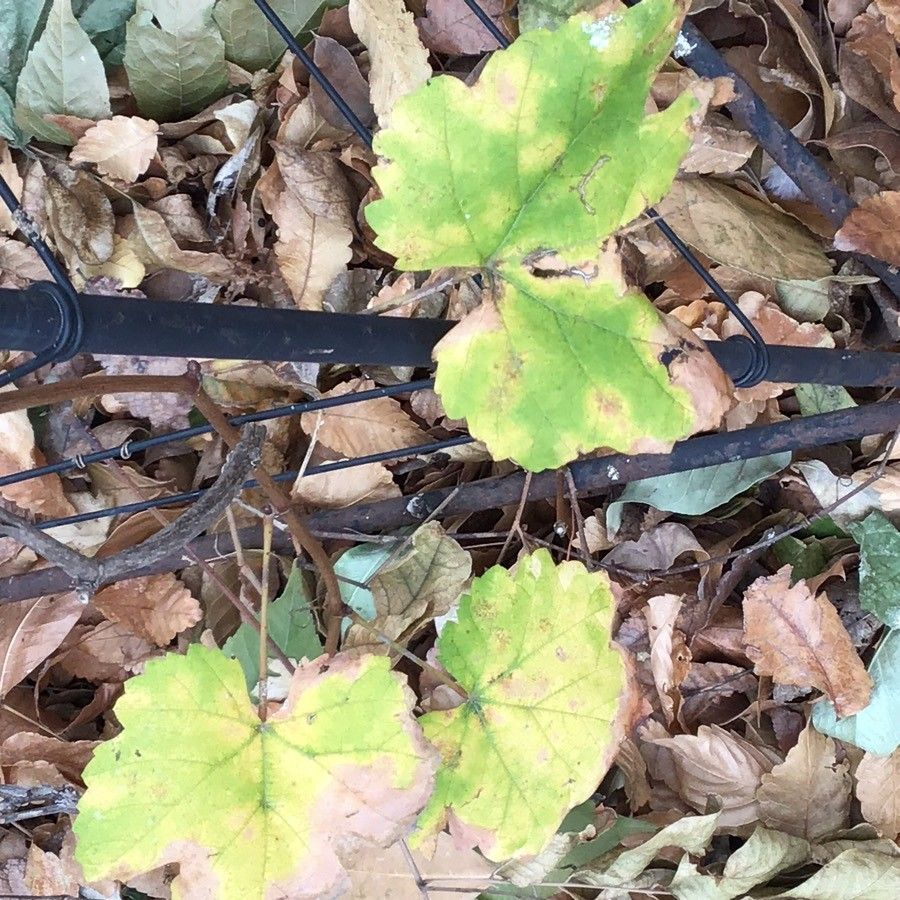
From Seed to Vine: Propagating the Wild Grape, Vitis silvestrii
For those with a green thumb and a fondness for the wild things, the thought of growing your own Vitis silvestrii, or wild grape, might be alluring. This hardy, adaptable vine offers a unique charm and is a fantastic addition to any landscape. But how do you go about getting your hands on this fascinating plant? Propagation is the answer! And while it may seem intimidating, the process is surprisingly straightforward.
From Seed to Vine: A Journey of Patience
The most common method for propagating Vitis silvestrii is through seeds. These tiny treasures are found within the juicy, dark purple berries the vine produces. To start your journey, collect ripe berries and separate the seeds. The seeds benefit from a period of cold stratification, mimicking the natural winter conditions they would experience. Simply place the seeds in a moist, airtight container and store them in the refrigerator for 6-8 weeks.
Once the stratification period is complete, you can sow the seeds in a seed tray filled with a well-draining seed starting mix. Place the tray in a bright, warm location, ensuring the soil remains evenly moist. Germination can take anywhere from a few weeks to several months, so patience is key.
Taking Cuttings: A Faster Route
If you have an existing Vitis silvestrii plant, you can also propagate it through cuttings. This method is faster than starting from seed and offers a higher success rate. Here’s how:
- Timing: The best time for taking cuttings is during the spring or early summer when the plant is actively growing.
- Selection: Choose healthy, non-flowering stem tips, approximately 6-8 inches long. Make your cut just below a node (where leaves grow).
- Preparation: Remove the lower leaves and dip the cut end in rooting hormone to encourage root growth.
- Planting: Plant the cuttings in a pot filled with a rooting mix. Keep the mix moist and cover the pot with a plastic dome or bag to create a humid environment.
- Care: Place the pot in a bright, indirect light location and keep the soil consistently moist. With consistent care, roots should develop within 4-6 weeks.
Important Considerations for Growing Vitis silvestrii
- Sunlight: Wild grape thrives in full sun to partial shade. Ensure your chosen location receives at least 6 hours of sunlight daily.
- Soil: Vitis silvestrii is adaptable and tolerates various soil types but prefers well-drained, loamy soil.
- Water: While drought-tolerant, the plant benefits from regular watering, especially during its establishment phase.
- Pruning: Regular pruning encourages vigorous growth and helps shape the vine.
Beyond the Backyard: The Benefits of Vitis silvestrii
The wild grape holds more than just aesthetic appeal. Its fruit is edible, though small and tart, and can be used in jams and jellies. The plant provides food and shelter for wildlife and serves as an important source of nectar for pollinators. Moreover, its vigorous growth habit makes it perfect for covering walls, trellises, and fences, adding a touch of wilderness and natural beauty to your outdoor space.
Conclusion
Whether you choose the slower, methodical route of seed propagation or the quicker process of taking cuttings, propagating Vitis silvestrii is a rewarding journey. These unique vines offer beautiful foliage, delicious fruit, and a valuable contribution to the natural ecosystem, making them a fantastic addition to any garden. With patience and a bit of effort, you can enjoy the beauty and benefits of these wild grapes for years to come.