
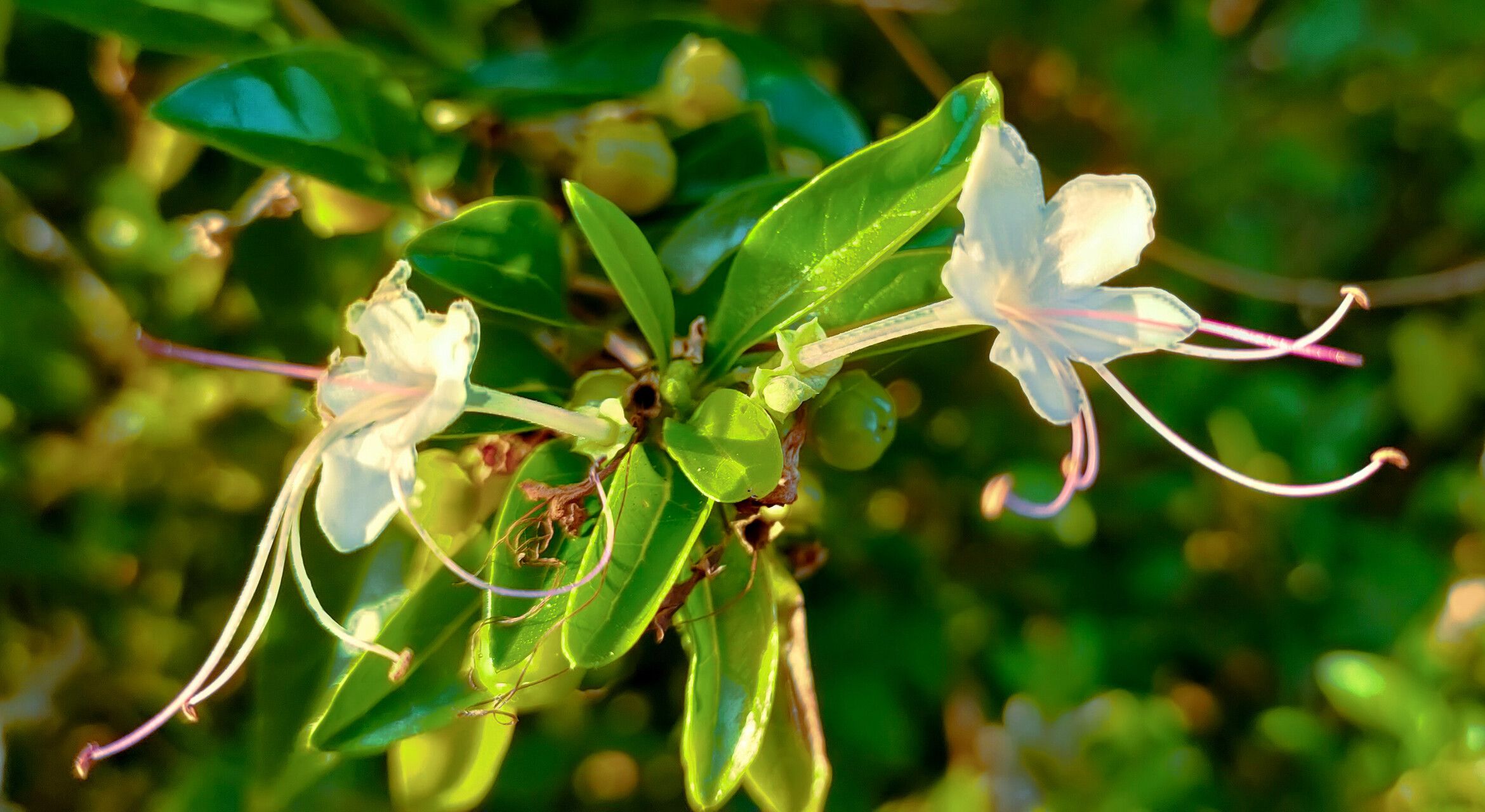
Propagating Volkameria aculeata: A Guide to Growing the Prickly Orange Jasmine
Volkameria aculeata, commonly known as prickly orange jasmine or fence jasmine, is a captivating shrub prized for its fragrant, orange-yellow flowers and attractive, thorny branches. Its dense, relatively low-maintenance nature makes it a popular choice for hedging and screening, particularly in warmer climates. Its propagation, however, presents some unique challenges and rewards, making it a rewarding project for the dedicated gardener.
Seed Germination:
Currently, there are no known reliable methods for seed germination propagation of Volkameria aculeata. While seeds may occasionally be produced, their germination rate is extremely low, and consistent success has not been documented. Further research is needed to determine if specific pre-treatment methods (such as scarification or stratification) could improve germination rates.
Cuttings:
Cuttings are the most commonly successful method for propagating Volkameria aculeata.
Challenges: Rooting can be slow and inconsistent, particularly if environmental conditions are not optimal. The thorny nature of the plant requires careful handling.
Tips: Semi-hardwood cuttings taken in late summer or early autumn show the best results. Use a sharp, clean knife or shears to take 4-6 inch long cuttings, removing lower leaves to prevent rot. Dip the cut ends in rooting hormone powder before planting in a well-draining propagation mix (such as perlite and peat moss). Maintain high humidity using a propagator or humidity dome. Consistent bottom heat (around 70-75°F) can significantly improve rooting success.
Rewards: This method offers a relatively straightforward way to create multiple plants from a single parent, preserving its desirable traits.
Division:
Division is not a practical method for propagating Volkameria aculeata. Its deep, woody root system makes separating it into viable divisions extremely difficult and damaging to the parent plant.
Tissue Culture:
Tissue culture is a potentially viable, although more technically demanding, method for propagating Volkameria aculeata.
Challenges: This technique requires specialized equipment, sterile conditions, and expertise in plant tissue culture techniques. Establishing sterile cultures and optimizing growth media can be challenging.
Tips: Success requires aseptic techniques and the use of appropriate growth media containing plant hormones to stimulate shoot proliferation and root formation.
Rewards: Tissue culture allows for large-scale propagation of disease-free plants, preserving genetic uniformity and facilitating efficient production.
Conclusion:
Propagating Volkameria aculeata presents a rewarding yet challenging experience. While seed germination is currently unreliable, cuttings offer a relatively accessible method for the home gardener, albeit with potential hurdles in rooting. Tissue culture offers a more advanced technique capable of mass propagation but requires significant expertise and resources. The unique satisfaction of nurturing a cutting from a small sprig into a mature, flowering plant makes the effort worthwhile. The thorny nature of the plant adds a touch of caution to the entire process, but with patience and attention to detail, the beautiful, fragrant blooms of the prickly orange jasmine will be well worth the effort. For ambitious propagators, experimenting with different cutting techniques and considering tissue culture might offer the best potential for success and large-scale production.