
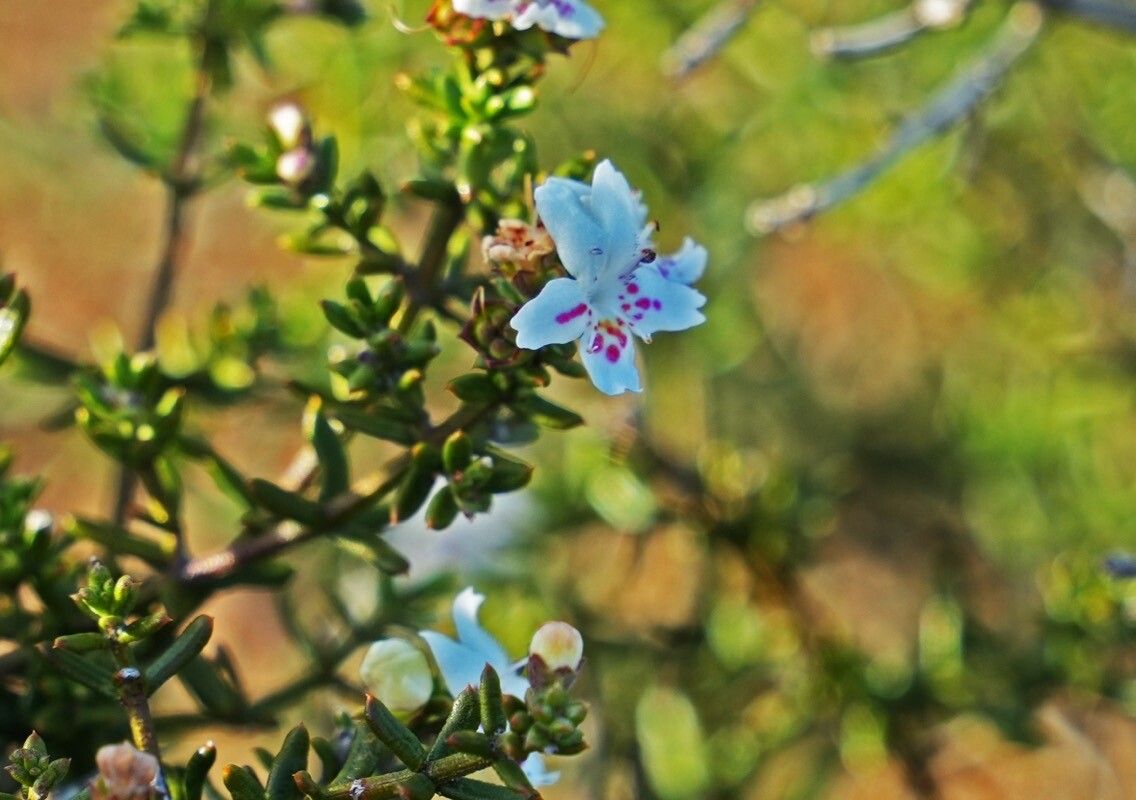
Propagating Westringia rigida: A Coastal Rosemary Conundrum
Introduction:
Westringia rigida, commonly known as coastal rosemary, is a popular Australian native shrub prized for its attractive, needle-like foliage and prolific, small white or mauve flowers. Its drought tolerance, low maintenance requirements, and ability to thrive in coastal conditions make it a favorite amongst home gardeners and landscapers alike. However, propagating this seemingly hardy plant presents some unique challenges, making successful cultivation all the more rewarding. While it’s relatively easy to propagate by cuttings, other methods require more specialized knowledge and resources.
Seed Germination:
Currently, there are no known reliable methods for seed germination propagation of Westringia rigida. While seeds may be produced, germination rates are exceptionally low, and the seedlings exhibit poor viability. This is likely due to factors such as a hard seed coat and complex germination requirements that haven’t been effectively determined. Therefore, relying on seed germination for propagating Westringia rigida is not recommended.
Cuttings:
Cuttings are the most reliable and widely used method for propagating Westringia rigida.
Challenges: Taking cuttings requires attention to detail. Using semi-hardwood cuttings (taken from new growth that has slightly hardened) is generally more successful than using soft, new growth. Incorrect timing or inadequate rooting hormone can hinder success.
Practical Tips: Take 8-10cm cuttings from healthy stems, removing lower leaves before dipping the cut end in rooting hormone. Plant the cuttings in a well-draining mix, such as a blend of perlite and seedling mix, ensuring good moisture retention but avoiding saturation. Keep the cuttings in a humid environment, possibly using a propagator or covering with a plastic bag, until roots develop (usually 4-6 weeks).
Rewards: Cuttings offer a high success rate, allowing for rapid multiplication of desirable parent plants with consistent characteristics. This method is ideal for home propagation on a smaller scale.
Division:
Division is a possible method for propagating established Westringia rigida plants.
Challenges: This method is only suitable for mature plants with well-developed root systems. Care needs to be taken to avoid damaging the roots during the separation process. Each division requires a substantial root mass to ensure survival.
Practical Tips: Carefully dig up the mature plant and gently separate the root ball into several sections, ensuring each section has healthy roots and sufficient foliage. Replant the divisions immediately in well-prepared soil, watering thoroughly.
Rewards: Division offers a quick way to increase the number of plants, particularly useful for larger specimens. However, it is limited by the size and availability of mature plants.
Tissue Culture:
Tissue culture is a technically demanding propagation method for Westringia rigida.
Challenges: Tissue culture requires specialized equipment, sterile conditions, and a thorough understanding of plant tissue culture techniques. Establishing protocols for Westringia rigida may require substantial experimentation. Cost and expertise are significant barriers to entry.
Practical Tips: This method is typically undertaken in laboratory settings by skilled professionals. Sterile conditions, appropriate nutrient media, and growth regulators are crucial for success.
Rewards: Tissue culture enables mass propagation of genetically uniform plants, offering significant potential for commercial production or the preservation of rare cultivars.
Conclusion:
Propagating Westringia rigida presents varying levels of challenge depending on the chosen method. While cuttings provide a straightforward and largely successful approach for home gardeners, other methods like division are limited by plant maturity and tissue culture requires extensive resources and expertise. Despite the hurdles, the unique satisfaction of cultivating this beautiful Australian native from a cutting, or even a division, far outweighs the effort. Seeing a small cutting transform into a thriving shrub is a testament to patience and horticultural skill, providing a profound sense of accomplishment. To aspiring propagators, I encourage you to start with the reliable method of cuttings. With care and attention, you’ll enjoy the rewards of successfully propagating this delightful plant.