
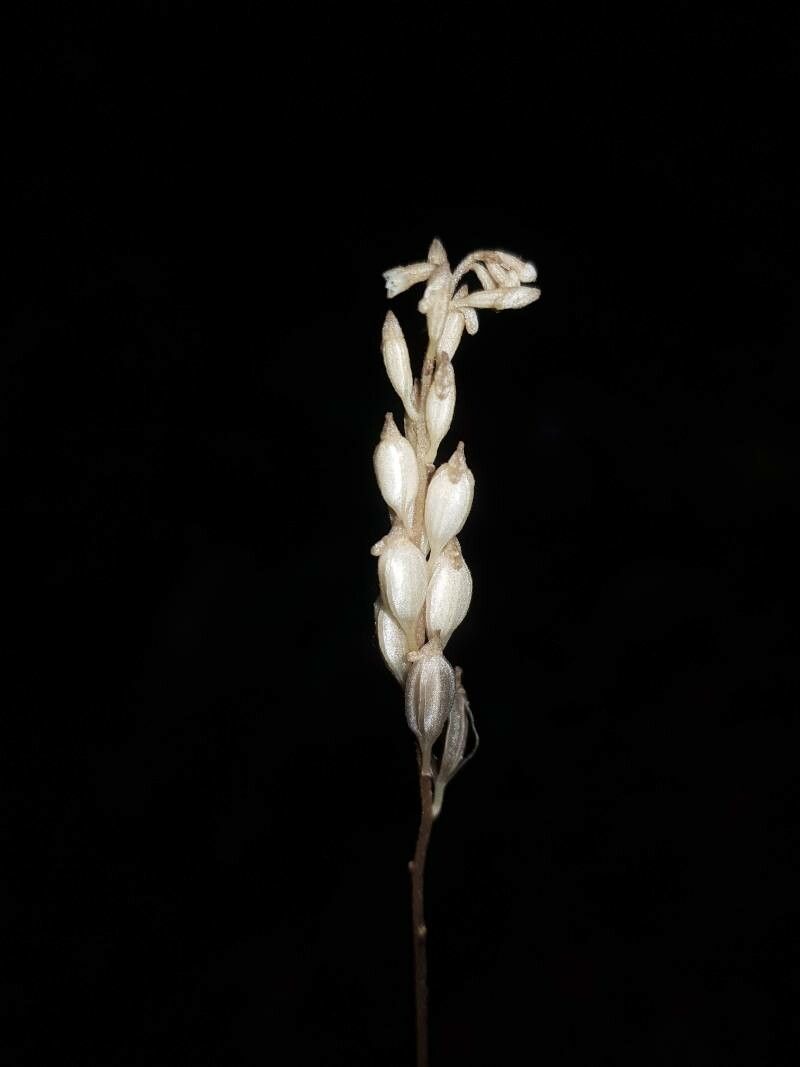
Unlocking the Mysteries of Wullschlaegelia calcarata: Can You Propagate a Ghost Orchid?
The Ghost Orchid ( Wullschlaegelia calcarata) captivates with its ethereal beauty and elusive nature. Found in the depths of tropical forests, this leafless orchid seems to magically bloom from thin air, its delicate white flowers appearing like phantoms amongst the shadows. This mystique extends to its propagation, a process shrouded in as much mystery as the orchid itself.
Propagating most orchids conjures images of carefully dividing pseudobulbs or nurturing tiny seedlings in sterile flasks. However, the Ghost Orchid follows a different, more enigmatic path. A mycoheterotrophic plant, it lacks chlorophyll and depends entirely on a specific fungus for survival, drawing all its nutrients from this symbiotic relationship. This reliance on a fungal partner creates a complex puzzle when it comes to propagation.
Current Propagation Methods: A Scientific Balancing Act
Currently, propagating Wullschlaegelia calcarata outside its natural habitat proves exceptionally challenging, bordering on impossible for the average enthusiast.
Seed Germination in the Wild: In the wild, successful reproduction relies on specific fungal spores encountering the orchid’s minute seeds. This delicate dance of nature results in the orchid forming specialized roots called “pelotons,” where the fungal partner resides, providing essential nutrients.
- Laboratory Propagation: Scientists have attempted in-vitro propagation with limited success. This involves replicating the natural environment in a laboratory setting, introducing the orchid’s seeds to the appropriate fungal strains. However, identifying, isolating, and cultivating the specific fungal partner remains a significant hurdle.
The Ethical Dilemma of Collecting from the Wild
Given the challenges of propagation, the temptation to collect Ghost Orchids from the wild might seem appealing. However, this practice is strongly discouraged.
- Ecological Impact: Removing orchids from their natural habitat disrupts the delicate ecosystem and threatens their already vulnerable populations.
- Low Survival Rate: Ghost Orchids are notoriously sensitive to changes in their environment. Transplanted individuals rarely survive due to the disruption of their symbiotic fungal network.
The Future of Ghost Orchid Propagation
While commercially available Ghost Orchids remain a distant dream, ongoing research offers a glimmer of hope. Scientists are working diligently to:
- Identify and Cultivate the Fungal Partner: Advancements in mycology, the study of fungi, are crucial to understanding the specific needs of the Ghost Orchid’s symbiotic partner.
- Develop In-Vitro Techniques: Researchers are continually refining in-vitro methods to create optimal conditions for seed germination and fungal symbiosis.
For the Enthusiast:
While cultivating the Ghost Orchid at home remains out of reach for now, you can still appreciate its beauty and support conservation efforts:
- Support Ethical Growers: Seek out nurseries specializing in sustainably sourced orchids.
- Contribute to Conservation: Donate to organizations dedicated to preserving endangered orchid species.
- Spread Awareness: Educate yourself and others about the fascinating biology and conservation needs of these enigmatic orchids.
The Ghost Orchid, shrouded in mystery, serves as a poignant reminder of the intricate web of life and the importance of responsible plant appreciation. While we may not cultivate it in our homes just yet, we can admire its ethereal beauty in the wild and support scientific advancements that may one day make this elusive orchid more accessible.