
From Seedling to Spectacular: Propagating the Unique Xanthosia Rotundifolia
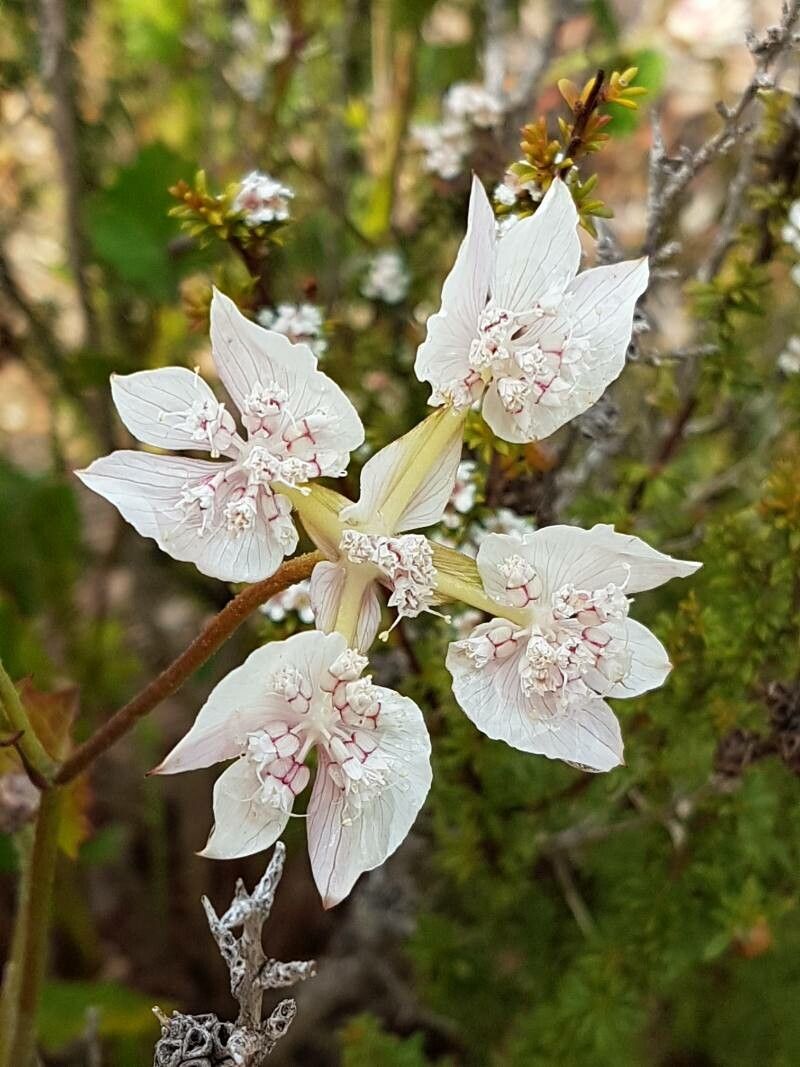
Xanthosia rotundifolia, with its stunning, aromatic foliage and cheerful yellow blooms, is a plant that catches the eye. This native Australian herb, also known as the “Native Carrot” or “Round-leaf Xanthosia,” adds a touch of charm and resilience to any garden. But where can you get your hands on this beauty? The answer lies in propagation!
While you can find Xanthosia rotundifolia at nurseries, propagating it yourself is a rewarding experience that allows you to expand your garden and share this unique plant with others.
A Tale of Two Methods: Seeds and Cuttings
Xanthosia rotundifolia can be propagated in two main ways:
1. From Seed: This method is ideal for gardeners looking to grow a large number of plants or simply enjoy the process of nurturing young seedlings. Here’s how:
- Collecting seeds: Gather ripe seeds from mature plants once the seed heads have turned brown and dried.
- Sowing seeds: Plant the seeds in a seed tray filled with a well-draining seed-raising mix during the cooler months, ideally spring or autumn. Ensure the seeds are lightly covered with the mix and keep the soil consistently moist.
- Germination: Seeds typically germinate within 2-4 weeks under warm, sunny conditions.
- Transplanting: When the seedlings are large enough to handle, transplant them into individual pots or their final planting position.
2. From Cuttings: This method is a bit quicker and requires less patience compared to growing from seed. Here’s how:
- Taking cuttings: Choose healthy, non-flowering stems from mature plants. Take semi-hardwood cuttings, ideally around 10cm long, that have just finished flowering.
- Preparing the cuttings: Remove the leaves from the bottom few centimeters of the cutting and dip the cut end in a rooting hormone powder or gel.
- Planting the cuttings: Place the cuttings in a pot filled with a well-draining potting mix. Keep the pot consistently moist but not soggy, and ensure the cuttings receive bright, indirect light.
- Rooting: The cuttings should root within 4-6 weeks.
Expert Tips for Success
Regardless of the propagation method you choose, there are a few essential tips to consider:
- Light: Xanthosia rotundifolia thrives in full sun to partial shade. Provide ample light, but avoid harsh afternoon sun, especially during hot summer months.
- Soil: Choose well-draining soil for your plants. They prefer slightly acidic to neutral soil with good drainage.
- Watering: Water regularly, ensuring the soil is consistently moist but not waterlogged. Allow the topsoil to dry slightly between waterings.
- Fertilizing: Feed your plants with a balanced liquid fertilizer during the growing season for healthy growth and flowering.
- Pests and diseases: Xanthosia rotundifolia is relatively pest and disease-free. Watch out for snails and slugs, and deal with any fungal issues by improving drainage.
More Than Just a Pretty Plant:
Xanthosia rotundifolia isn’t just visually appealing – it’s also highly valued for its versatility. Its aromatic leaves are a delicious addition to salads, soups, and stews, adding a unique citrusy flavor. They can also be used to make herbal teas and infusions for their medicinal properties.
Propagating this unique plant offers a chance to connect with nature, expand your garden, and enjoy its many benefits. So, pick your favorite method, gather your supplies, and embark on your own Xanthosia journey!