
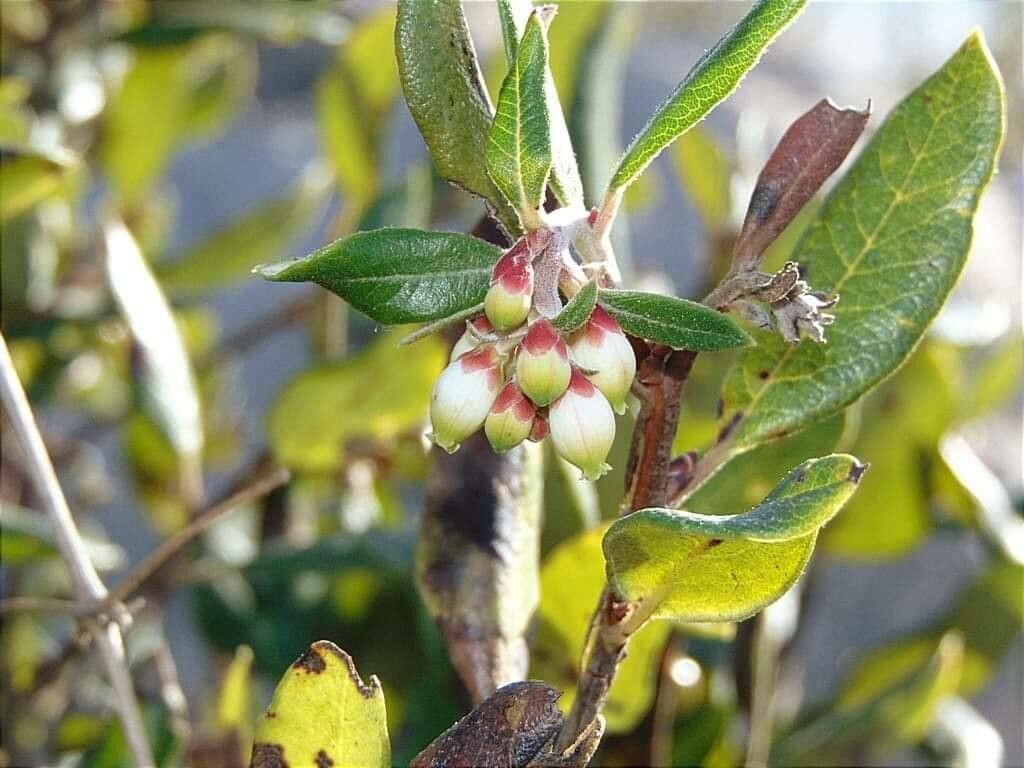
Unlocking the Secrets of the Mission Manzanita: A Guide to Propagation
The Mission Manzanita (Xylococcus bicolor), with its striking mahogany bark and charming white-to-pink urn-shaped flowers, is a California native captivating gardeners and nature enthusiasts alike. Cultivating this evergreen beauty from seed can seem daunting, but with the right knowledge and a touch of patience, you too can witness the magic of propagation.
This guide unveils the secrets to successfully propagating the Mission Manzanita, allowing you to bring a touch of Californian charm to your own backyard.
Understanding the Challenge: Why Standard Seed Propagation Falls Short
Unlike many plants, Mission Manzanita seeds possess a hard seed coat and dormancy mechanism evolved to survive wildfires. This means simply sowing seeds in soil often leads to disappointment. Water struggles to penetrate the tough outer shell, and the embryo inside remains dormant, awaiting specific environmental cues to trigger germination.
The Key to Success: Mimicking Nature’s Process
To overcome these hurdles, we must mimic the natural processes that encourage germination in the wild. This involves two critical steps:
1. Scarification: Breaking Down the Barriers
Scarification involves gently weakening the tough seed coat, allowing water to penetrate and initiate the germination process. There are a couple of effective methods:
Hot Water Treatment:
- Bring water to a boil and let it cool slightly.
- Soak the seeds in the hot water for 12-24 hours.
- This softens the seed coat, making it easier for water to penetrate.
- Mechanical Scarification:
- Gently rub the seeds on a piece of sandpaper or use a nail clipper to nick the seed coat.
- Be cautious not to damage the embryo inside.
2. Stratification: Simulating Winter’s Chill
Stratification replicates the chilling period that Mission Manzanita seeds experience naturally during winter. This “cold treatment” signals to the embryo that it’s time to wake up and grow.
- Refrigerator Method (Easiest):
- After scarification, mix the seeds with a moist (not soggy) medium like vermiculite or sand.
- Place the mixture in a sealed plastic bag and store it in the refrigerator (around 40°F or 4°C) for 6-8 weeks.
- Check the moisture level periodically and add water if necessary.
Sowing the Seeds: Time to Nurture New Life
After stratification, your Mission Manzanita seeds are ready for planting!
- Choose a Well-Draining Mix: Use a potting mix specifically designed for succulents or cacti, ensuring excellent drainage.
- Shallow Planting: Plant the seeds about ¼ inch deep, keeping the soil lightly moist but not waterlogged.
- Patience is Key: Germination can take several weeks or even months. Maintain a consistent temperature (around 70°F or 21°C).
Beyond Seed Propagation: Exploring Other Options
While seed propagation offers a rewarding experience, you can also propagate Mission Manzanita through cuttings:
- Cuttings: Take semi-hardwood cuttings from healthy stems in late summer. Dip the ends in rooting hormone and place them in a well-draining medium. Keep them consistently moist and provide bottom heat for best results.
Final Thoughts: Patience Rewards with Beauty
Propagating Mission Manzanita requires patience and dedication, but the rewards are well worth the effort. By understanding the unique needs of this Californian beauty and mimicking its natural environment, you can successfully cultivate this extraordinary plant and enjoy its captivating charm for years to come.