
Tiny Blooms, Big Rewards: A Guide to Propagating the Slender Yellow-eyed Grass (Xyris filiformis)
The Slender Yellow-eyed Grass (Xyris filiformis), with its delicate blooms and understated beauty, might not be the first plant that comes to mind for your garden or bog garden. But for those seeking to introduce a touch of unique charm to their outdoor spaces, this North American native deserves a second look. And the best part? Propagating Xyris filiformis, while slightly unconventional, can be a rewarding experience for plant enthusiasts of all levels.
Understanding the Plant:
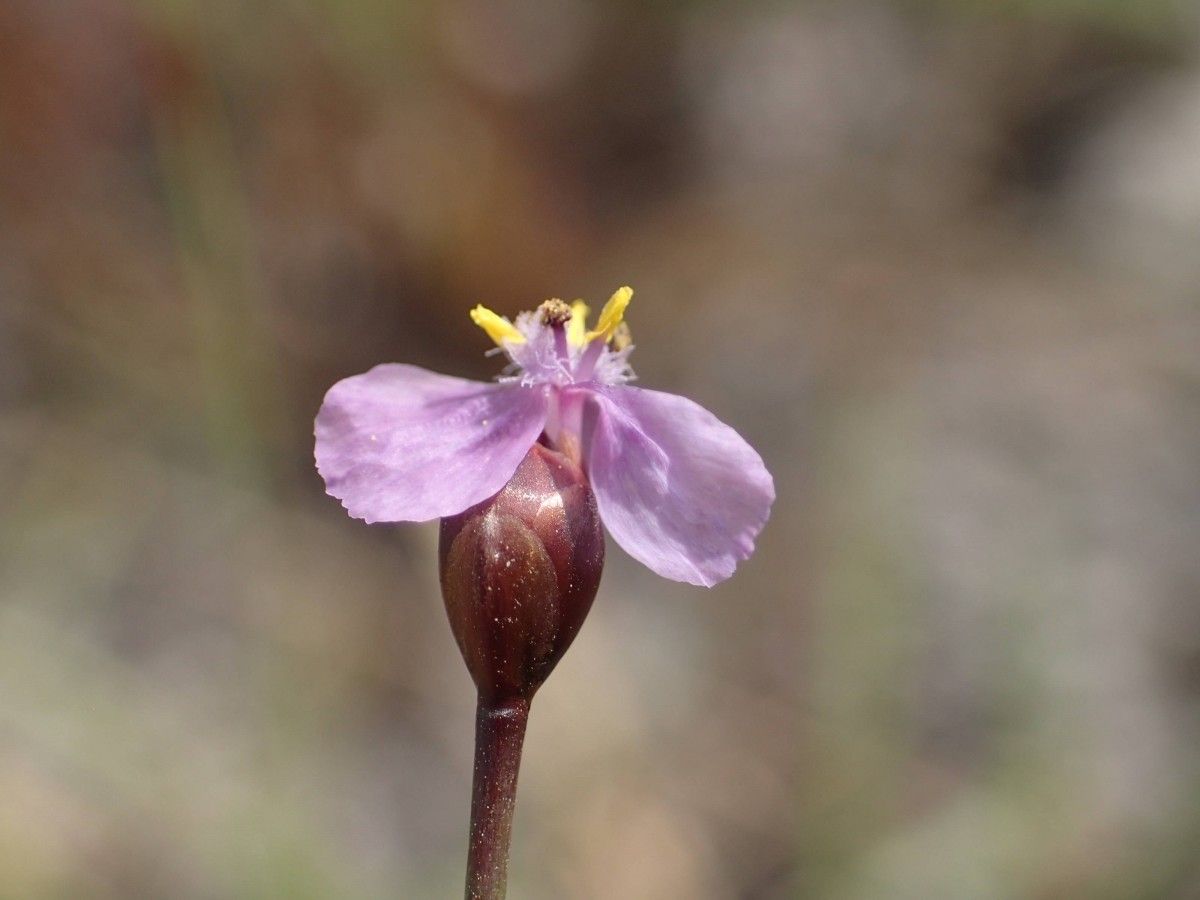
Before we delve into propagation, let’s get acquainted with our subject. Xyris filiformis, as its name suggests, is characterized by slender, grass-like leaves and vibrant yellow flowers that peek out from tiny, cone-like heads. Thriving in moist, acidic soils, this perennial is a valuable asset to bogs, rain gardens, or even container water gardens.
Two Paths to Propagation:
While not typically found in your local nursery, Xyris filiformis can be introduced to your garden through two primary propagation methods:
1. Seed Starting:
This is the most common and arguably rewarding method for propagating Xyris filiformis.
- Gathering Seeds: You can collect seeds from existing plants in late summer or early fall. Look for the small, brown seed capsules that develop after the flowers fade.
- Sowing: Seeds can be directly sown in the fall or started indoors in late winter.
- Direct Sowing: Scatter seeds on moist, acidic soil and lightly press them in. No need to bury them deeply, as light can aid in germination.
- Indoor Sowing: Use a seed starting mix specifically designed for acidic-loving plants. Sprinkle seeds on the surface and mist generously. Cover the tray with a plastic dome to retain moisture, and place it in a bright location, out of direct sunlight.
- Patience is Key: Germination can take anywhere from a few weeks to several months. Once seedlings are large enough to handle, thin them to give each plant adequate space to grow.
2. Division:
For established clumps of Xyris filiformis, division is another viable propagation method. Here’s how:
- Timing is Everything: Divide plants in early spring before new growth emerges.
- Gently Does It: Carefully dig around the plant and lift the entire clump. Using your hands or a sharp, clean knife, divide the clump into smaller sections, ensuring each section has a healthy portion of roots and shoots.
- Replant and Water: Replant the divisions immediately in moist, acidic soil and water thoroughly.
Tips for Success:
- Mimic their Natural Habitat: Provide your Xyris filiformis with consistently moist to wet soil that is acidic (pH 5.0-6.5). A sunny to partially shaded location is ideal.
- Patience is a Virtue: Don’t be discouraged if you don’t see immediate results, especially from seeds. Xyris filiformis can take some time to become established.
Propagating your own Xyris filiformis might require a bit more effort than your average garden flower, but the rewards are well worth it. The sight of these cheerful yellow blooms gracing your water garden or bog will bring a unique beauty that feels earned and all the more special.