
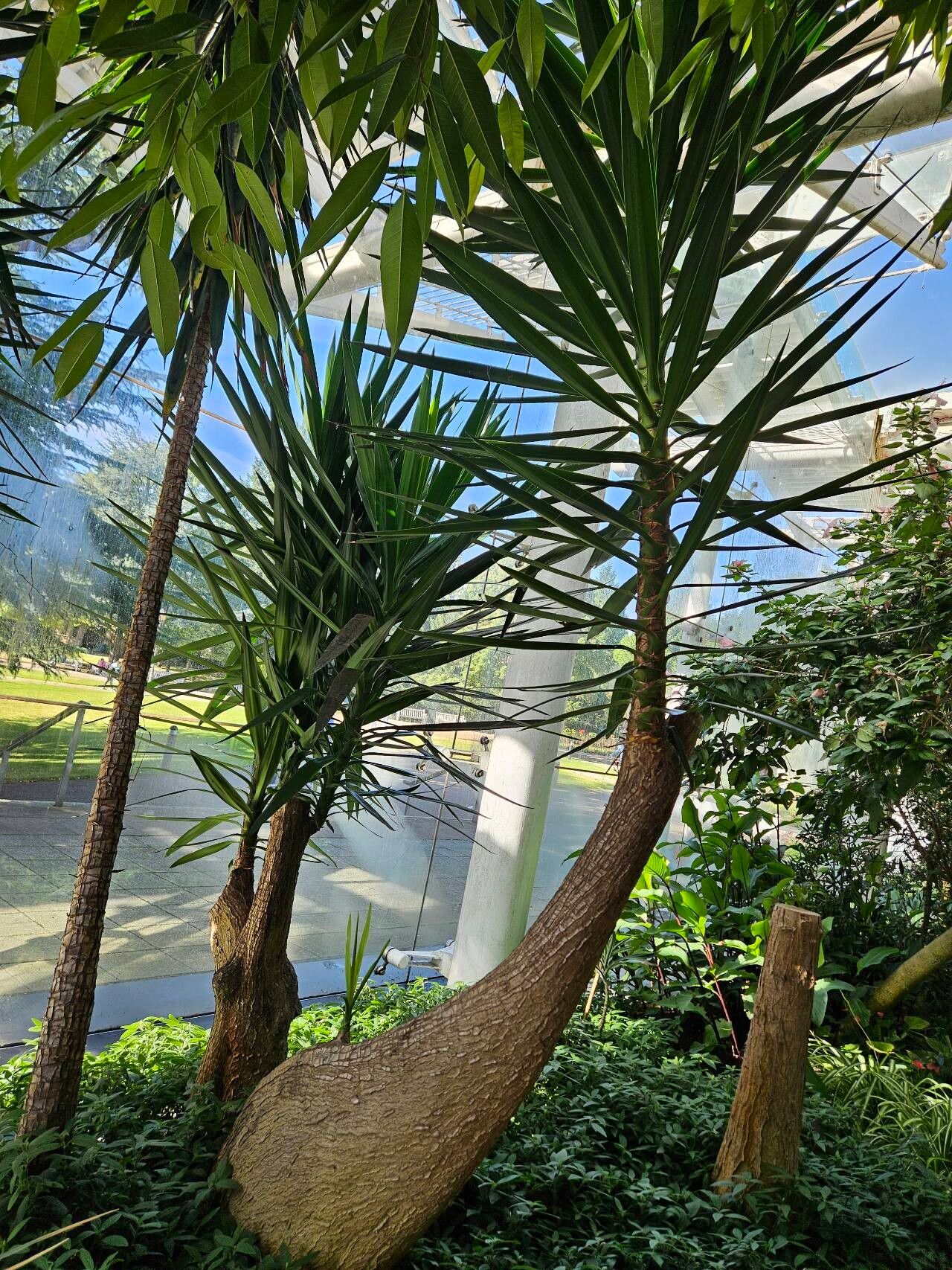
Propagating the Giant Yucca: A Gardener’s Guide to Yucca gigantea
Introduction:
Yucca gigantea, also known as the Giant Yucca or Spanish Dagger, is a striking succulent tree native to arid regions of Mexico. Its impressive size, with a towering trunk and dramatic rosette of sword-like leaves, makes it a highly sought-after ornamental plant for gardens in suitable climates. Its tolerance of drought and heat contributes to its popularity among gardeners, but propagating this magnificent plant presents unique challenges. This article explores various propagation methods and their associated difficulties and rewards.
Seed Germination:
Currently, there are no known reliable methods for seed germination propagation of Yucca gigantea. While seeds may be produced, germination rates are notoriously low, and successful seedling establishment is exceptionally challenging even under optimal conditions. Factors such as dormancy, the need for specific mycorrhizal fungi for successful establishment, and susceptibility to damping-off diseases contribute to the difficulty.
Cuttings:
Challenges: Propagating Yucca gigantea from cuttings is a more viable option than seed germination, but still presents difficulties. Cuttings are slow to root, and rot is a significant risk if not handled properly. The large size of mature plants also makes obtaining suitable cuttings challenging.
Practical Tips: Use basal stem cuttings, ideally taken from sections of the plant showing vigorous growth in spring. These should be about 6-12 inches long, with a slight slant at the base. Allow the cuttings to callous over for a couple of weeks before planting in a well-draining gritty mix. Use a rooting hormone and ensure consistent moisture (but not overly wet conditions) without direct sunlight. Propagation may take several months.
Rewards: Successful propagation from cuttings results in genetically identical clones of the parent plant preserving desirable traits. This is a relatively efficient method for smaller scale propagation compared to tissue culture.
Division:
Challenges: Division of mature Yucca gigantea plants is possible but requires careful handling due to the plants’ substantial size and robust root systems. Damage to the root system can hinder establishment. Furthermore, only established, larger plants can be divided, meaning this is not a method suitable for small plants or those recently propagated.
Practical Tips: Division is best attempted in spring or early autumn. Carefully dig up the parent plant and separate off sections with well-developed root systems. Plant the divisions immediately in prepared, well-draining soil and water sparingly to reduce the risk of root rot.
Rewards: Division allows the rapid expansion of established plants. It is a relatively straightforward method, albeit labor-intensive, for those with larger, mature plants.
Tissue Culture:
Challenges: Tissue culture is arguably the most complex and technically demanding method. It requires specialized equipment, sterile conditions, and expertise in plant tissue culture techniques. It is not a home-gardener friendly method.
Practical Tips: This method requires a sophisticated laboratory setting and skill in plant tissue culture. Specialized media and growth regulators are necessary to induce shoot and root development.
Rewards: Tissue culture provides the capacity for large-scale propagation of genetically identical plants, offering a potential solution for commercial production or conservation efforts. It also reduces the time taken to produce large numbers of plants compared to other methods.
Conclusion:
Propagating Yucca gigantea poses unique challenges across all methods. Seed germination is practically unreliable, while cuttings and division require patience, skill, and careful handling to minimize risks such as rot. Tissue culture offers high-volume propagation but demands specialized expertise and resources. The rewards, however, are significant: the satisfaction of nurturing this magnificent plant from a cutting or a division, expanding your own collection, or potentially contributing to its conservation through large-scale propagation using tissue culture, make the effort worthwhile. Don’t let the challenges deter you; persistent attention to detail and careful technique significantly improve your chances of success. With patience, perseverance, and well chosen propagation method – you too can enjoy the beauty of this iconic plant.