
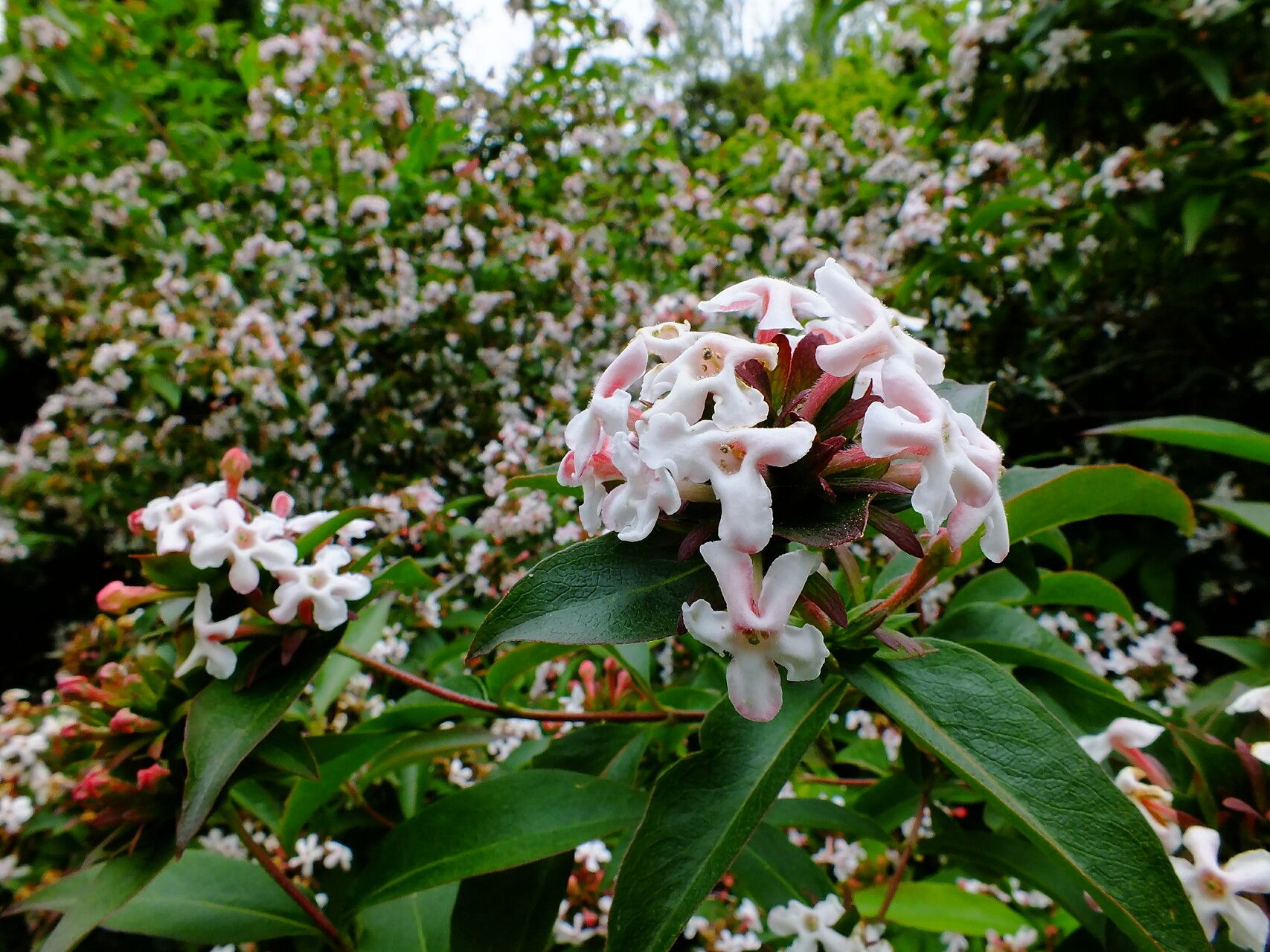
Multiplying the Magic: A Guide to Propagating Zabelia Triflora
Zabelia triflora, also charmingly known as the Three-flowered Abelia, is a fantastic shrub with beautiful arching branches, delicate fragrant flowers, and an elegant presence in any landscape. If you’re lucky enough to have one gracing your garden, you’re likely eager to multiply the magic. Luckily, propagating Zabelia triflora is relatively straightforward and rewarding.
This guide will explore two primary methods of propagation:
1. Propagating Zabelia Triflora from Softwood Cuttings:
Softwood cuttings are a popular and efficient way to propagate Zabelia. Here’s a step-by-step guide:
- Timing is key: The optimal time to take softwood cuttings is late spring or early summer when the new growth is flexible but has started to firm up slightly.
- Making the cut: Using sharp, sterilized pruning shears, select a healthy stem with new growth and make a cut about 4-6 inches long. Remove the leaves from the bottom half of the cutting.
- Hormone boost (optional): While not strictly necessary, dipping the cut end in rooting hormone powder can increase the success rate and speed up the rooting process.
- Potting your cutting: Plant the cutting in a well-draining potting mix, burying the bottom node (where the leaves were removed) about an inch deep.
- Creating a humid environment: Moisture is crucial for rooting. Place the pot in a clear plastic bag or a propagation box to maintain high humidity levels.
- Patience is a virtue: Place the pot in a bright location out of direct sunlight. It may take 4-8 weeks for roots to develop.
2. Propagating Zabelia Triflora from Hardwood Cuttings:
Hardwood cuttings, taken during dormancy, are another viable method for propagation:
- When to strike: Late fall or early winter, when the plant is dormant, is the ideal time to take hardwood cuttings.
- Selecting the cutting: Choose a healthy, pencil-thick stem from the current year’s growth. Cut a piece about 6-8 inches long.
- Wound the cutting (optional): Make a small wound on the base of the cutting to expose the cambium layer, which can encourage rooting.
- Planting the cutting: Plant the cutting in a pot filled with a well-draining potting mix, burying about two-thirds of its length.
- Overwintering the cutting: Place the pot in a protected location outdoors or in an unheated garage where the temperature stays above freezing.
- Spring awakening: By spring, roots should start to develop. Once new growth appears, you can transplant the rooted cutting to its permanent location.
Caring for Your New Zabelia Plants:
Regardless of the propagation method, it’s important to provide the right care for your new Zabelia plants. Water them regularly, keeping the soil moist but not waterlogged. Fertilize them lightly during the growing season.
A Few Final Tips:
- Always use sharp, clean tools to prevent the spread of diseases.
- Be patient! Propagation takes time, and not all cuttings may be successful.
- If you’re unsure about any step, consult with your local nursery or gardening expert.
Propagating your own Zabelia triflora is a rewarding experience that allows you to expand your garden and share this lovely shrub with friends and family. So why not give it a try! With a little patience and care, you can enjoy the beauty and fragrance of Zabelia for years to come.