
From One to Many: Unlocking the Secrets of Zabelia tyaihyoni Propagation
Want to fill your garden with the dazzling blooms of Zabelia tyaihyoni, but don’t want to break the bank? Then propagation is the key! This beautiful flowering shrub, known for its stunning spring blossoms and graceful foliage, can be easily multiplied using a few simple techniques.
The Beauty of Zabelia tyaihyoni:
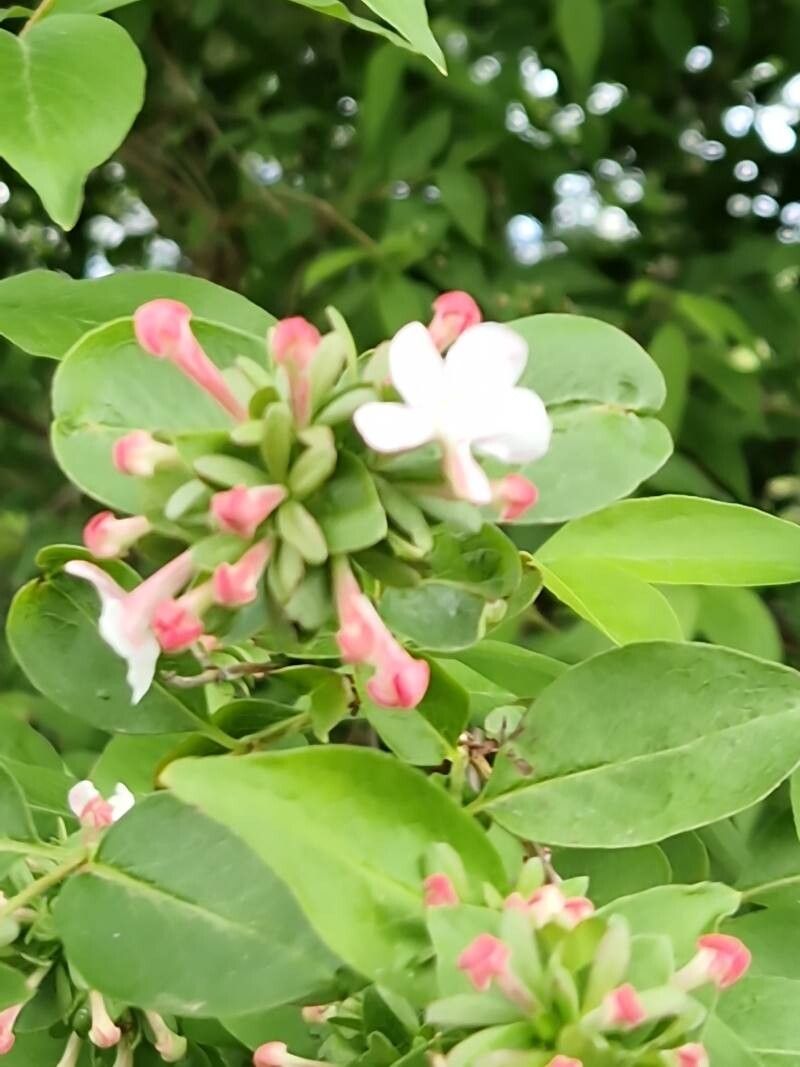
Zabelia tyaihyoni, often called the “Chinese Abelia,” is a captivating addition to any garden. This hardy shrub boasts a compact, rounded form that thrives in both sunny and partial shade conditions. In spring, it erupts in clusters of beautiful, pink, trumpet-shaped flowers that attract hummingbirds and butterflies. Its foliage, ranging from deep green to bronze, provides year-round visual interest.
Unlocking the Secrets of Propagation:
The magic of propagation lies in the plant’s ability to regenerate new plants from fragments of its existing structure. Here are the most popular methods for Zabelia tyaihyoni:
- Timing is Key: This method, ideal for spring, utilizes new, soft growth from the current season.
- Preparation: Snip 4-6 inches of stem, removing leaves from the bottom inch.
- Rooting Hormone: Gently dip the cut end in rooting hormone, which encourages root growth.
- Potting Up: Plant the cuttings in a pot filled with well-draining potting mix, keeping them moist but not soggy.
- Humidity and Light: Cover the cuttings with a plastic dome or a plastic bag to create a humid environment. Place the pot in a bright, indirect light location.
- Patience: Roots typically develop within a few weeks. Once you see new growth, your cuttings are ready for planting in a larger pot or directly in the garden.
2. Semi-Hardwood Cuttings:
- Season to Shine: This method works best in late summer or early fall, utilizing semi-hardened wood from the current season’s growth.
- Preparation: Similar to softwood cuttings, remove the lower leaves and dip the cut end in rooting hormone.
- Planting: Pot the cuttings in a well-draining mixture and maintain a consistently moist environment.
- Positioning: Place the pots in a bright, indirect light location, ideally with protection from strong sunlight.
3. Layering:
- Gentle Bending: Choose a healthy stem and bend it to the ground, pinning it in place. You can also use a technique called “air layering,” where you make a cut on the stem and wrap it with moist rooting medium.
- Root Formation: Wait for roots to form, indicated by new growth emerging from the layered stem.
- Separation: Once the roots are established, carefully cut the layered stem away from the parent plant.
4. Division:
- Spring or Fall: Divide larger, established plants in spring or fall. This method should be used only on mature plants.
- Digging Up: The plant should be carefully dug up and the root ball divided into two or more separate sections.
- Replanting: Each new division can then be replanted in another spot in the garden.
Tips for Success:
- Quality Matters: Use sharp, clean scissors or a pruning knife to ensure clean cuts.
- Water Wisely: Maintain consistent moisture for your cuttings but avoid overwatering that can lead to rot.
- Patience is a Virtue: Give your propagations time to establish their root systems. It may take several weeks or months.
Enjoying Your New Plants:
With a bit of patience and attention, your Zabelia tyaihyoni propagation journey can blossom into success. Imagine the joy of sharing these gorgeous blooming shrubs with friends, filling your garden with colorful beauty, or even starting a small business selling these stunning plants. Now, that’s the real magic of propagation!