
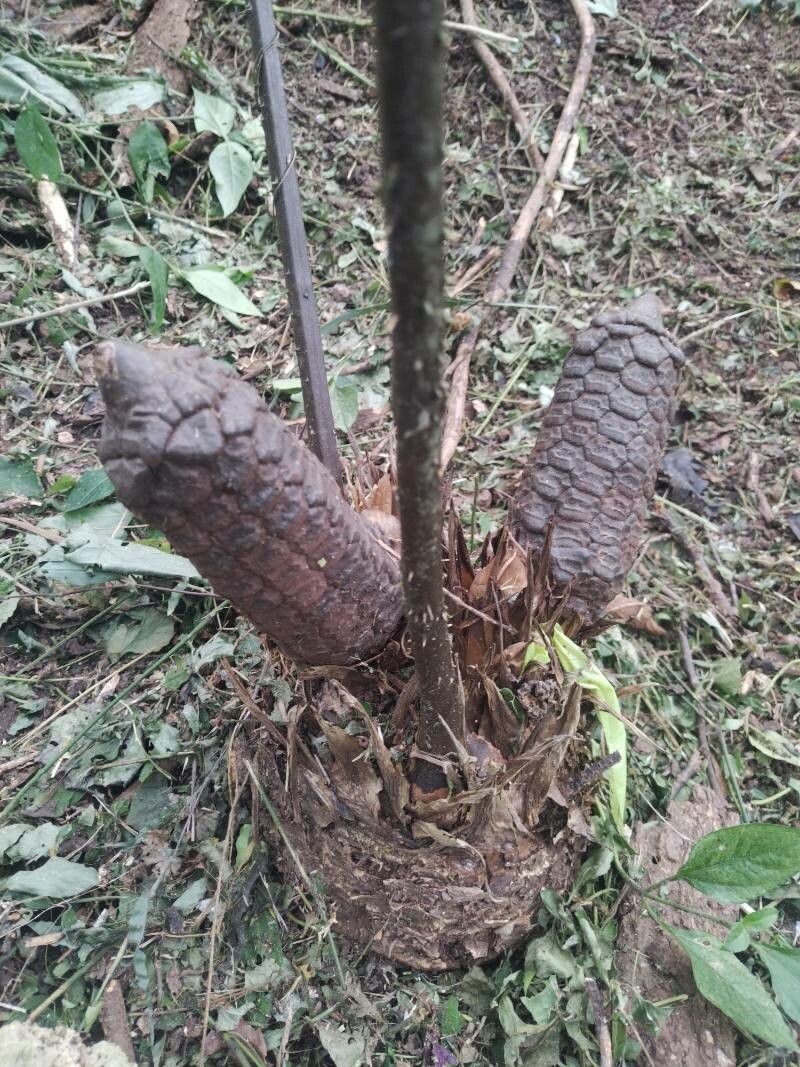
Unlocking the Secrets of Zamia Standleyi Propagation: A Guide for Plant Lovers
Zamia standleyi, with its lush, feather-like fronds and intriguing prehistoric origins, is a captivating addition to any plant collection. This Central American cycad, known for its resilience and unique beauty, is a favorite among indoor plant enthusiasts. But have you ever wondered how to propagate these ancient wonders?
While Zamia standleyi is generally slow-growing and doesn’t require frequent propagation, there’s a certain satisfaction in multiplying your collection and sharing these living fossils. Let’s delve into the two primary methods of propagating this fascinating species:
1. Division of Suckers:
Zamia standleyi often surprises its owners by producing “pups” or suckers around the base of the parent plant. These offshoots, miniature versions of the main plant, are a testament to its hardiness and will eventually develop their own root systems. Here’s how to leverage this natural propagation method:
- Timing is Key: The best time to divide suckers is during the plant’s active growing season, ideally in spring or early summer. This allows for optimal root development in the newly separated pups.
- Gentle Separation: Carefully remove the plant from its pot and examine the base. Choose suckers that have developed a good root system of their own.
- The Big Cut: Using a clean, sharp knife or pruning shears, carefully separate the pup from the parent plant, ensuring you retain as much of the pup’s root system as possible.
- Potting Up: Plant the separated sucker in a well-draining potting mix specifically designed for cycads. Ensure the pot has drainage holes to prevent root rot.
- Patience is a Virtue: Water the newly potted pup thoroughly and place it in a warm, bright location, out of direct sunlight. Avoid overwatering, as this can lead to root rot. Be patient; it might take several weeks for the pup to establish itself.
2. Seed Propagation (For the Adventurous):
While slightly more challenging and time-consuming, propagating Zamia standleyi from seed offers a uniquely rewarding experience. However, Zamia standleyi seeds are not readily available commercially. You’ll likely need to source them from a specialized nursery or through online cycad communities.
- Preparing for Germination: Soak the seeds in lukewarm water for 24-48 hours to soften the outer shell and encourage germination.
- Sowing the Seeds: Plant the seeds in a well-draining seed-starting mix, burying them about twice their depth.
- Creating a Humid Environment: Maintain a constantly moist (but not soggy) environment by covering the seed tray with a plastic dome or humidity dome.
- Light and Warmth: Place the seed tray in a warm, bright location, out of direct sunlight. A seedling heat mat can be beneficial for maintaining optimal temperatures.
- The Long Wait: Be prepared for a lengthy process. Zamia standleyi seeds can take several months to germinate.
Worth the Effort:
Whether you choose to propagate Zamia standleyi through division or embrace the challenge of seed germination, the experience is incredibly fulfilling. Witnessing the growth of a new generation of these ancient plants, nurtured by your own hand, is a special kind of reward. So, roll up your sleeves, gather your tools, and unlock the secrets of propagating Zamia standleyi – your plant collection (and your inner plant enthusiast) will thank you!