
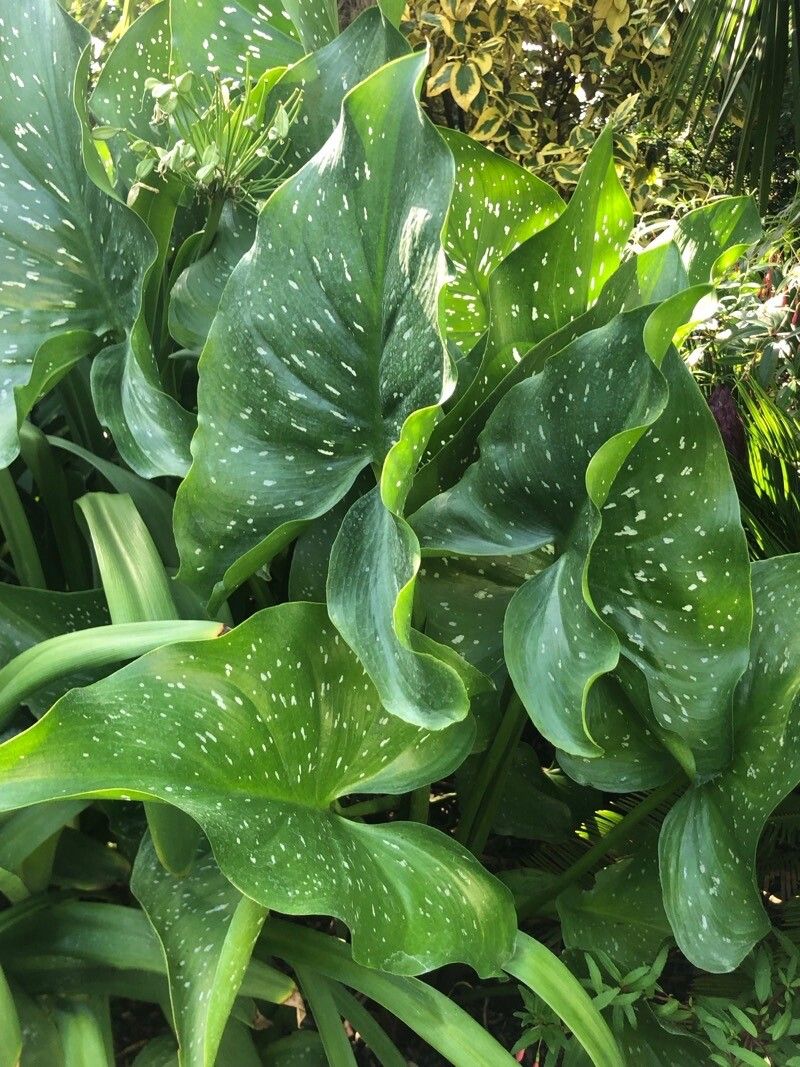
Unfurling the Joy: Propagating Your Zantedeschia jucunda
The Zantedeschia jucunda, more endearingly known as the Yellow Arum Lily, isn’t just a mouthful to say – it’s a sight to behold! With its sunny yellow blooms emerging from deep green foliage, this South African native can brighten any garden or home. And the best part? Propagating Zantedeschia jucunda is a journey you can easily embark on yourself, reaping the rewards of more of these joyous blooms. Let’s delve into the different methods to multiply your happiness (and your plants!).
Method 1: Division – Sharing the Love (and the Rhizomes!)
- When? Late winter or early spring, just as new growth begins.
- How?
- Carefully dig up the mature plant, ensuring you get the entire root system.
- Brush off excess soil to reveal the rhizomes – thick, fleshy underground stems.
- Identify healthy offshoots with their own sets of leaves and roots.
- Using a clean, sharp knife, carefully separate these offshoots from the main rhizome.
- Plant each division in a well-draining potting mix, ensuring the top of the rhizome is level with the soil.
- Water well and place in a bright location, but out of direct sunlight.
Method 2: Seed Starting – A Test of Patience Rewarded
- When? Fresh seeds immediately after flowering in fall.
- How?
- Collect ripe seed pods from the plant, allowing them to dry fully.
- Extract the seeds and soak them in lukewarm water for 24 hours.
- Sow seeds in a seed tray filled with a well-draining seed-starting mix, just barely covering them.
- Keep the soil consistently moist but not waterlogged.
- Provide warmth and bright, indirect light.
- Important note: Seed propagation can be slower and less predictable than division. It may take a few years for plants to mature and bloom.
Caring for Your New Additions
Regardless of your chosen propagation method, providing the right care is essential for success:
- Light: Zantedeschia jucunda thrives in bright, indirect light. Avoid harsh afternoon sun.
- Water: Maintain consistent moisture, especially during the growing season. Avoid overwatering, which can lead to root rot.
- Soil: A well-draining potting mix is crucial for healthy rhizome development.
- Fertilizer: Feed regularly with a balanced liquid fertilizer during the growing season.
Troubleshooting Tips
- Yellowing leaves: Can indicate overwatering or poor drainage. Adjust watering and ensure the soil is well-aerated.
- Brown leaf tips: Often a sign of low humidity. Misting the leaves can help.
- Lack of blooms: Insufficient light or nutrients can hinder flowering. Relocate to a brighter spot and adjust your fertilizing schedule.
With a little patience and TLC, propagating your Zantedeschia jucunda can be a rewarding experience. Not only will you expand your collection of these vibrant beauties, but you’ll also develop a deeper connection with the remarkable world of plant propagation! So, roll up your sleeves, embrace the joy of growth, and watch your “golden goddesses” flourish.