
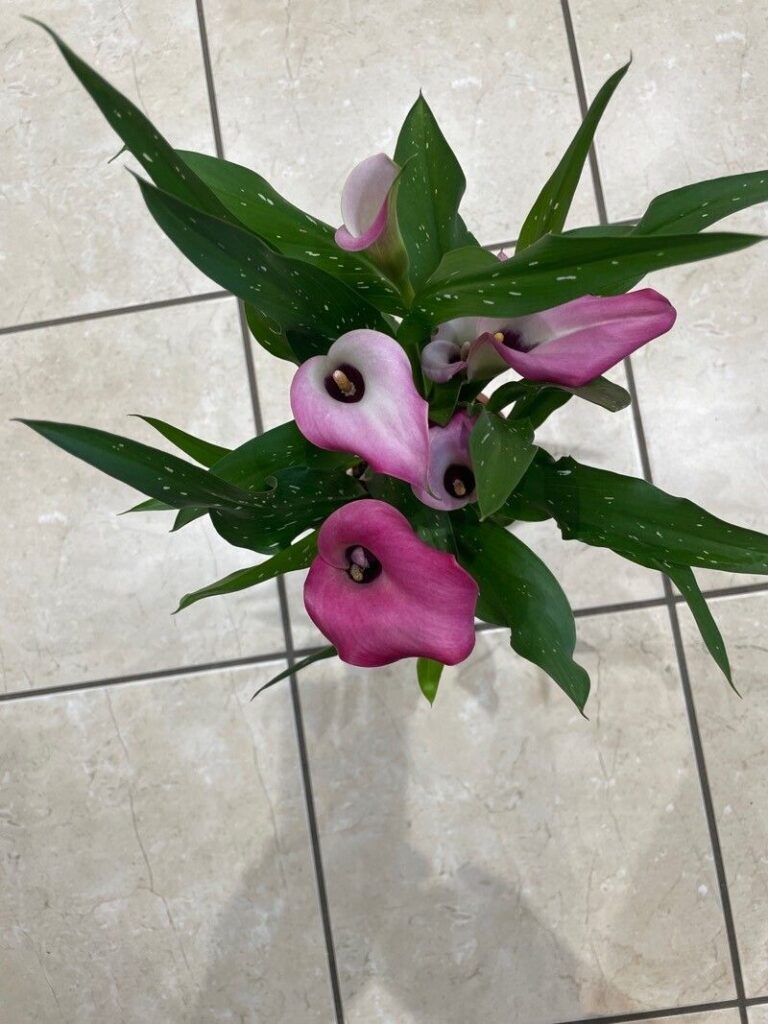
Unlocking the Pink: Propagating Your Stunning Zantedeschia Rehmannii
The Zantedeschia rehmannii, also known as the pink arum lily, is a sight to behold. Its elegant, lance-shaped leaves and vibrant, pink-tinged spathes bring a touch of exotic beauty to any garden. But did you know that you can easily multiply your collection of these beauties?
Propagating Zantedeschia rehmannii is a rewarding experience, allowing you to share the joy of these plants with friends and family or simply expand your own floral display. While they can be grown from seed, the most common and efficient way to propagate them is through division.
Timing is Everything:
The best time to divide your Zantedeschia rehmannii is during their dormant period, which typically falls in late summer or early autumn. This is when the plant’s energy is focused on its underground rhizomes, making it the ideal time for splitting.
Tools of the Trade:
Before you begin, gather the following:
- Gloves: Zantedeschia contain calcium oxalates which can irritate the skin.
- Sharp, clean knife or pruning shears: This ensures clean cuts and minimizes damage to the rhizomes.
- Potting mix: Choose a well-draining mix formulated for bulbs or rhizomes.
- Pots with drainage holes: Select pots slightly larger than the divisions you create.
Let’s Get Dividing:
-
Digging Up: Carefully dig around the base of the parent plant, ensuring you don’t damage the rhizomes. Gently lift the plant from the soil, shaking off any excess.
-
Division Decisions: Examine the clump and identify healthy sections with at least one growing point (“eye”). Using your clean knife or shears, carefully separate these sections, ensuring each division has a good amount of rhizome attached.
- Potting Up: Fill your prepared pots with the well-draining potting mix. Plant each rhizome division about 2-3 inches deep with the growing point facing upwards. Water thoroughly, allowing the excess to drain.
Nurturing New Beginnings:
Place your newly potted divisions in a cool, shaded location and keep the soil lightly moist. Avoid overwatering, as this can lead to rot. New growth should emerge in a few weeks, signaling successful propagation!
Beyond Division:
While division is the most common method, Zantedeschia rehmannii can also be propagated from seed. However, this method takes longer and is less predictable in terms of resulting flower color.
Enjoy the Rewards:
With a little patience and care, your propagated Zantedeschia rehmannii will soon reward you with their stunning pink blooms, transforming your garden into an oasis of elegance!