
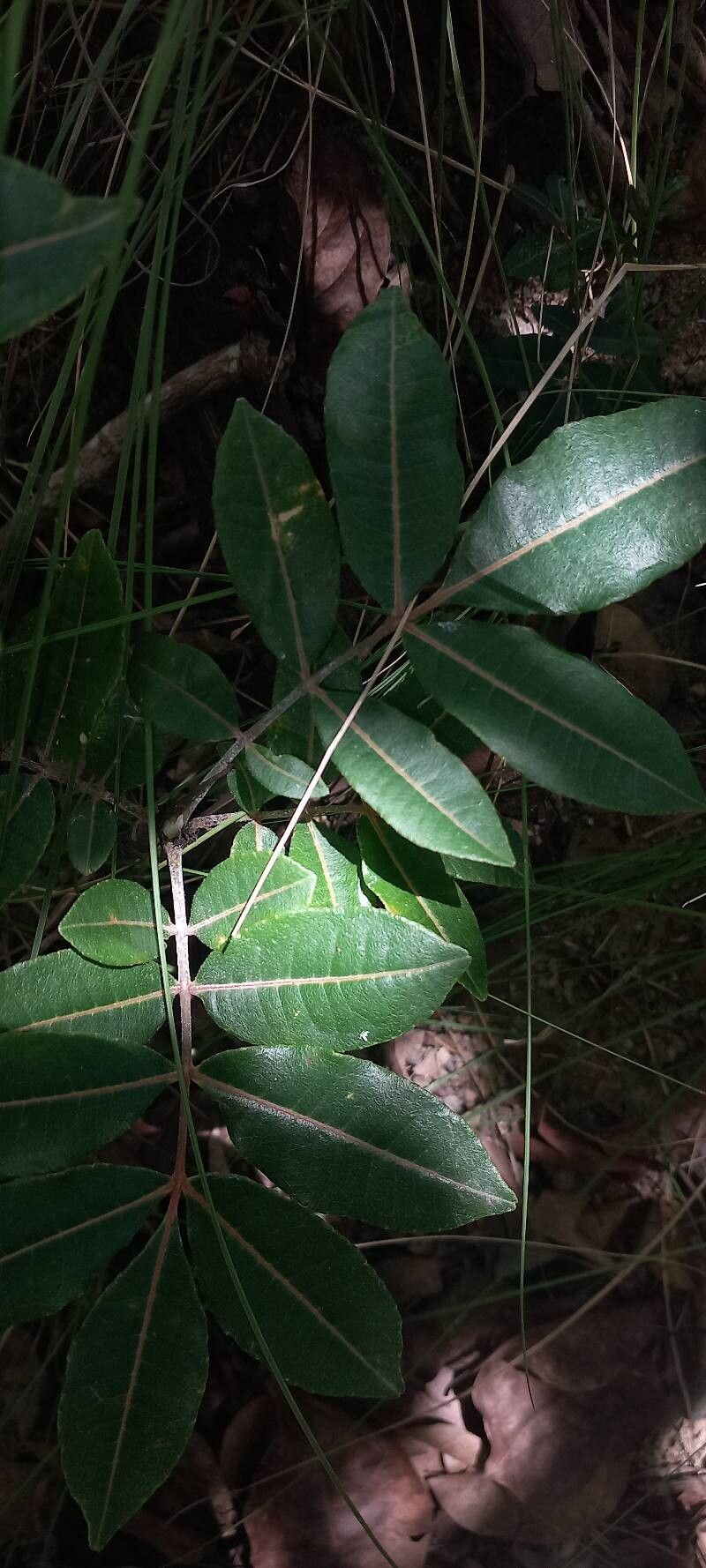
Unlocking the Citrusy Secrets: Propagating the West Indian Satinwood (Zanthoxylum flavum)
The West Indian Satinwood (Zanthoxylum flavum), with its glossy leaves and captivating citrusy aroma, is a true Caribbean gem. This beautiful tree, boasting vibrant yellow wood prized for its strength and beauty, isn’t just a feast for the eyes and nose – it’s also surprisingly approachable for propagation. Whether you’re an experienced gardener or a curious novice, this guide will equip you with the knowledge to grow your very own Satinwood.
Two Paths to Propagation:
While the West Indian Satinwood might appear exotic, it readily propagates through two common methods:
1. Seeds: A Journey of Patience and Reward
- Source your treasure: Freshly harvested seeds yield the best results. Look for mature seed pods that have turned from green to brown, gently crack them open, and collect the small, black seeds within.
- Break the dormancy: Satinwood seeds possess a natural dormancy that requires a little nudge. Soak them in warm water for 24 hours, allowing them to plump up and awaken.
- Sowing the future: Prepare a well-draining seed starting mix and plant your seeds about ¼ inch deep. A warm, humid environment is ideal for germination, so consider a propagator or simply cover the pot with a clear plastic bag. Be patient, as germination can take anywhere from a few weeks to a couple of months.
- Nurturing the seedlings: Once your seedlings emerge, provide them with bright, indirect light and keep the soil consistently moist but not waterlogged. Gradually acclimate them to outdoor conditions once they develop a couple of sets of true leaves.
2. Cuttings: A Shortcut to Success
- Timing is key: Early summer is the prime time for taking cuttings, preferably from semi-hardwood. Choose healthy, vigorous branches that haven’t flowered yet.
- Making the cut: Using a sharp, clean knife or pruning shears, take cuttings about 4-6 inches long. Remove the leaves from the lower half of the cutting.
- Hormone boost (optional): While not strictly necessary, dipping the cut end in rooting hormone can significantly increase your success rate.
- Creating a cozy environment: Plant your cuttings in a well-draining potting mix and place them in a warm, humid environment with indirect light. A humidity dome or a simple plastic bag over the pot can help retain moisture and encourage root development.
- Patience, young Padawan: Rooting can take several weeks. You’ll know it’s successful when you start seeing new growth.
A Few Extra Tips for Success:
- Well-draining soil is crucial: Waterlogged conditions are a death sentence for Satinwood.
- Sunshine is your friend: These trees thrive in full sun to partial shade.
- Patience is a virtue: Propagation, especially from seed, is a waiting game. Don’t get discouraged if you don’t see results immediately.
Propagating your own West Indian Satinwood is a rewarding experience that connects you to this beautiful tree’s unique legacy. With a little patience and care, you can cultivate your own vibrant and fragrant slice of the Caribbean.