
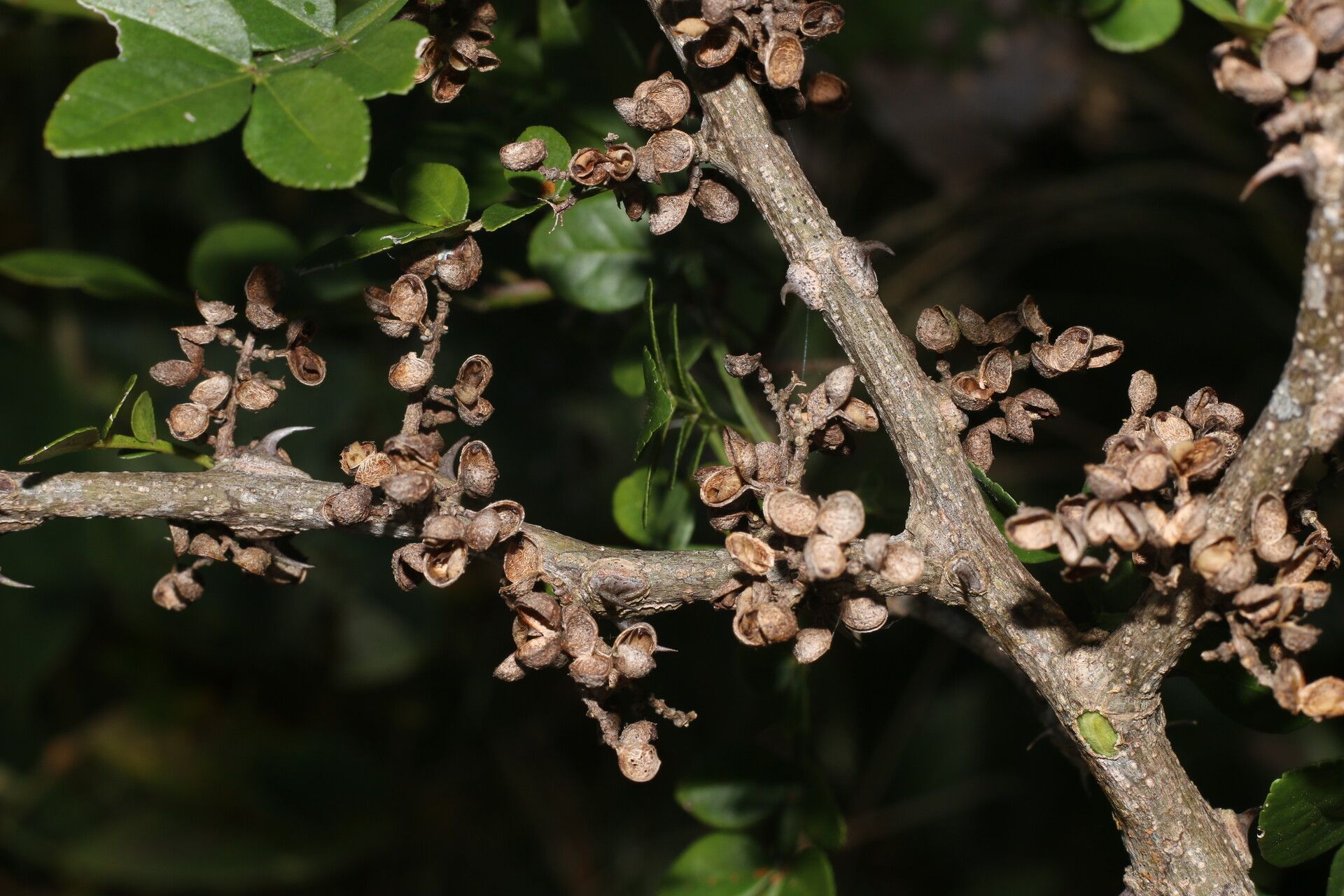
Zest Up Your Garden: Propagating Zanthoxylum ‘Lemoncello’
The Zanthoxylum ‘Lemoncello’, with its vibrant foliage and intoxicating citrus aroma, is a true garden gem. This unique cultivar of the Sichuan pepper family not only adds visual appeal but also provides chefs and cocktail enthusiasts with a zesty, lemony kick. Want to multiply your ‘Lemoncello’ bounty or share its unique charm with friends? Let’s delve into the art of propagating this aromatic wonder.
Two Paths to Propagation
While ‘Lemoncello’ doesn’t produce viable seeds for propagation, don’t despair! Two effective methods allow you to create new plants: cuttings and layering.
1. The Cutting Edge: Propagating with Stem Cuttings
- Timing is Key: The optimal time for taking cuttings is late spring or early summer when the plant is experiencing vigorous growth.
- Tools of the Trade: Gather a sharp, sterilized pruning knife or shears, rooting hormone powder, a small pot or seed tray, and a well-draining potting mix.
- Cut and Capture: Select a healthy, non-flowering stem about 4-6 inches long. Make a clean cut just below a leaf node (where the leaf meets the stem). Remove the lower leaves, leaving 2-3 at the top.
- Hormone Boost: Dip the cut end in rooting hormone powder, gently tapping off any excess.
- Planting the Seedling: Plant the cutting in the prepared pot, burying the bottom node. Gently firm the soil and water thoroughly.
- Creating a Humid Haven: Cover the pot with a plastic bag or place it in a propagator to maintain humidity.
- Patience is a Virtue: Place the cutting in a warm, bright location (out of direct sunlight). Rooting can take several weeks. Check regularly for new growth, and be sure to keep the soil consistently moist.
2. Layering: A Grounded Approach
Layering encourages a branch to develop roots while still attached to the parent plant. This method is particularly effective with ‘Lemoncello’ due to its naturally flexible branches.
- Branching Out: In spring, choose a healthy, low-growing branch. Gently wound the underside of the branch by lightly scraping off a small section of bark.
- Ground Control: Prepare a small trench in the soil beneath the wounded branch.
- Making Contact: Bend the wounded section of the branch down and secure it into the trench using a landscape pin or a rock. Ensure the wounded section is completely buried.
- Time and Tender Care: Water the layered branch regularly. Rooting may take a few months. Once new growth appears, check for root development.
- Separation Anxiety: When a healthy root system has formed, you can separate the newly rooted plant from the parent.
Nurturing Your New ‘Lemoncello’ Additions
Once your propagated plants are established, repot them into larger containers or transplant them to a sunny location in your garden. Provide well-drained soil and water regularly, especially during the first year.
With a bit of know-how and a touch of TLC, you can easily multiply your ‘Lemoncello’ treasures and enjoy the zesty essence of this remarkable plant for years to come.