
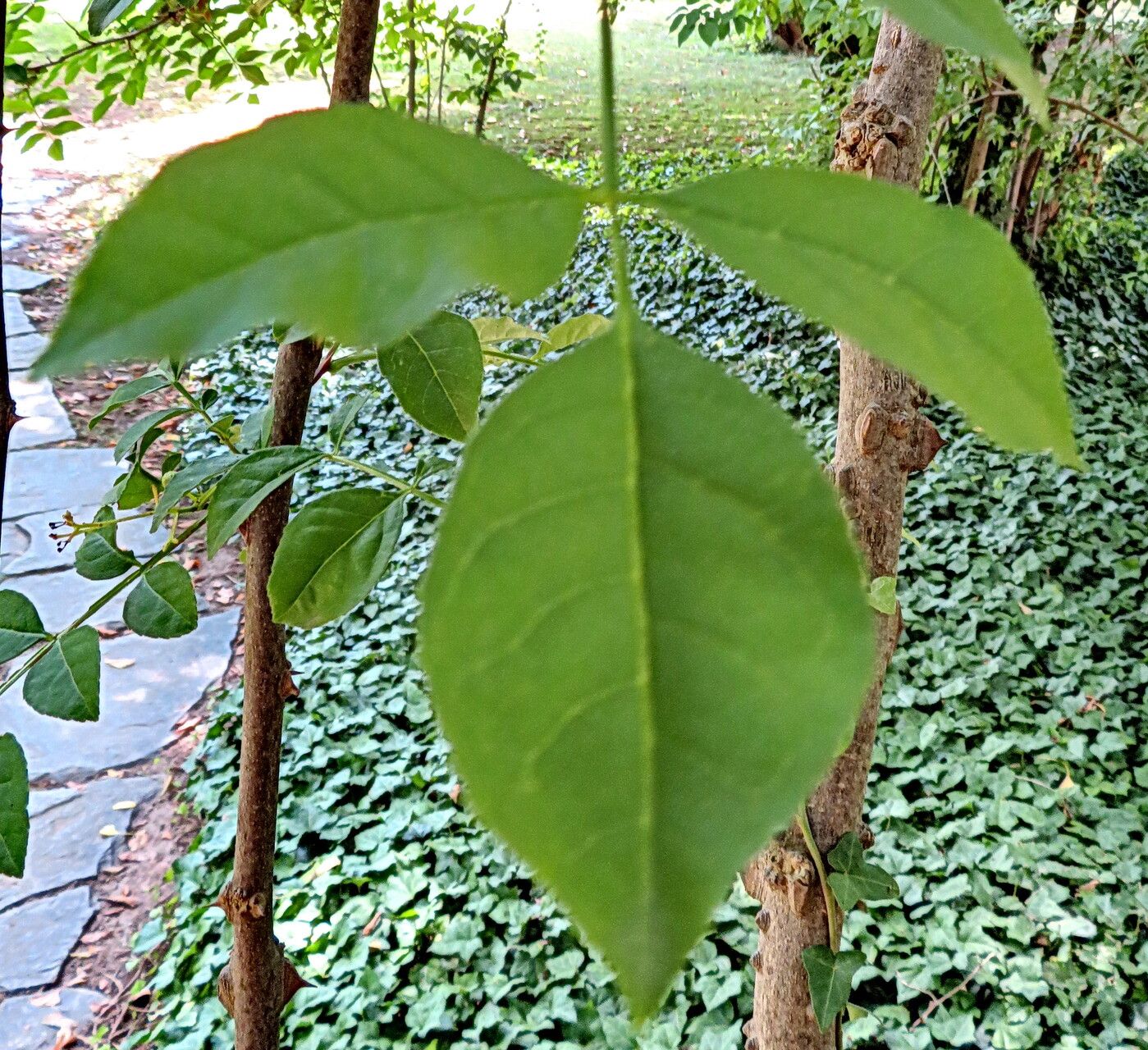
Unlocking the Secrets of the Spine-Leaf Peppercorn: A Guide to Propagating Zanthoxylum stenophyllum
The Spine-Leaf Peppercorn, scientifically known as Zanthoxylum stenophyllum, is a hidden gem in the world of edible and ornamental plants. This Southeast Asian native boasts glossy, citrus-scented foliage and produces unique, flavorful peppercorns prized in culinary traditions.
If you’re interested in growing your own Spine-Leaf Peppercorn, exploring propagation techniques is essential. This article will dive into the two most effective methods:
1. Seed Propagation:
Sourcing Seeds:
- Harvesting: If you have access to a mature Zanthoxylum stenophyllum plant, you can collect seeds from its reddish-brown capsules once they’re dry.
- Purchasing: Reputable online retailers and nurseries specializing in unusual edibles may offer seeds.
Seed Treatment:
- Extraction: Carefully remove the seeds from the capsules and clean off any remaining pulp.
- Scarification: Due to their hard outer shell, a gentle scarification process is recommended. Lightly rub the seeds with sandpaper or a file, just enough to create a small nick.
- Soaking: Soak the scarified seeds in warm water for 24 hours to enhance germination rates.
Sowing:
- Medium: Use a well-draining seed starting mix or create your own using a blend of peat moss, perlite, and vermiculite.
- Planting: Sow seeds at a depth of ¼ inch and mist the soil thoroughly.
- Environment: Provide warmth (around 70-75°F or 21-24°C) and humidity. A heat mat and humidity dome or plastic wrap over the seed tray can help.
Germination:
- Patience: Germination can be slow and irregular, taking anywhere from a few weeks to several months.
- Care: Keep the soil consistently moist but not waterlogged.
2. Semi-Hardwood Cuttings:
Timing:
- The ideal time for taking semi-hardwood cuttings is in late spring or early summer when new growth has partially matured.
Taking Cuttings:
- Select healthy, non-flowering stems that are about 4-6 inches long.
- Using clean, sharp pruning shears, make a cut just below a node (where the leaf joins the stem).
Preparing Cuttings:
- Remove the lower leaves from the cutting, leaving 2-3 pairs at the top.
- Wound the base of the cutting by making a small vertical cut about an inch long. This can encourage root formation.
- Dip the cut end in rooting hormone powder (optional but recommended).
Planting:
- Insert the cuttings into a well-draining rooting medium like a blend of peat moss and perlite.
- Water thoroughly and place them in a warm, humid environment. A humidity dome or plastic bag over the pot will help retain moisture.
Rooting:
- Cuttings typically take 4-8 weeks to root. Gently tug on the cutting; if you feel resistance, roots are likely developing.
Transplanting:
- Once cuttings have developed a good root system, transplant them into individual pots filled with a well-draining potting mix.
Continuing Care:
Whether you’ve grown your Zanthoxylum stenophyllum from seed or cuttings, providing the right care is crucial:
- Light: Bright, indirect light is ideal.
- Water: Water deeply when the soil is mostly dry. Avoid overwatering.
- Fertilizer: Feed with a balanced, diluted fertilizer during the growing season.
- Pruning: Prune regularly to maintain shape and encourage bushier growth.
Propagating Zanthoxylum stenophyllum requires patience and persistence, but the rewards of growing this unique plant, from its aromatic leaves to its intriguing peppercorns, are well worth the effort. So why not embark on this exciting horticultural journey and introduce a touch of the exotic to your garden?