
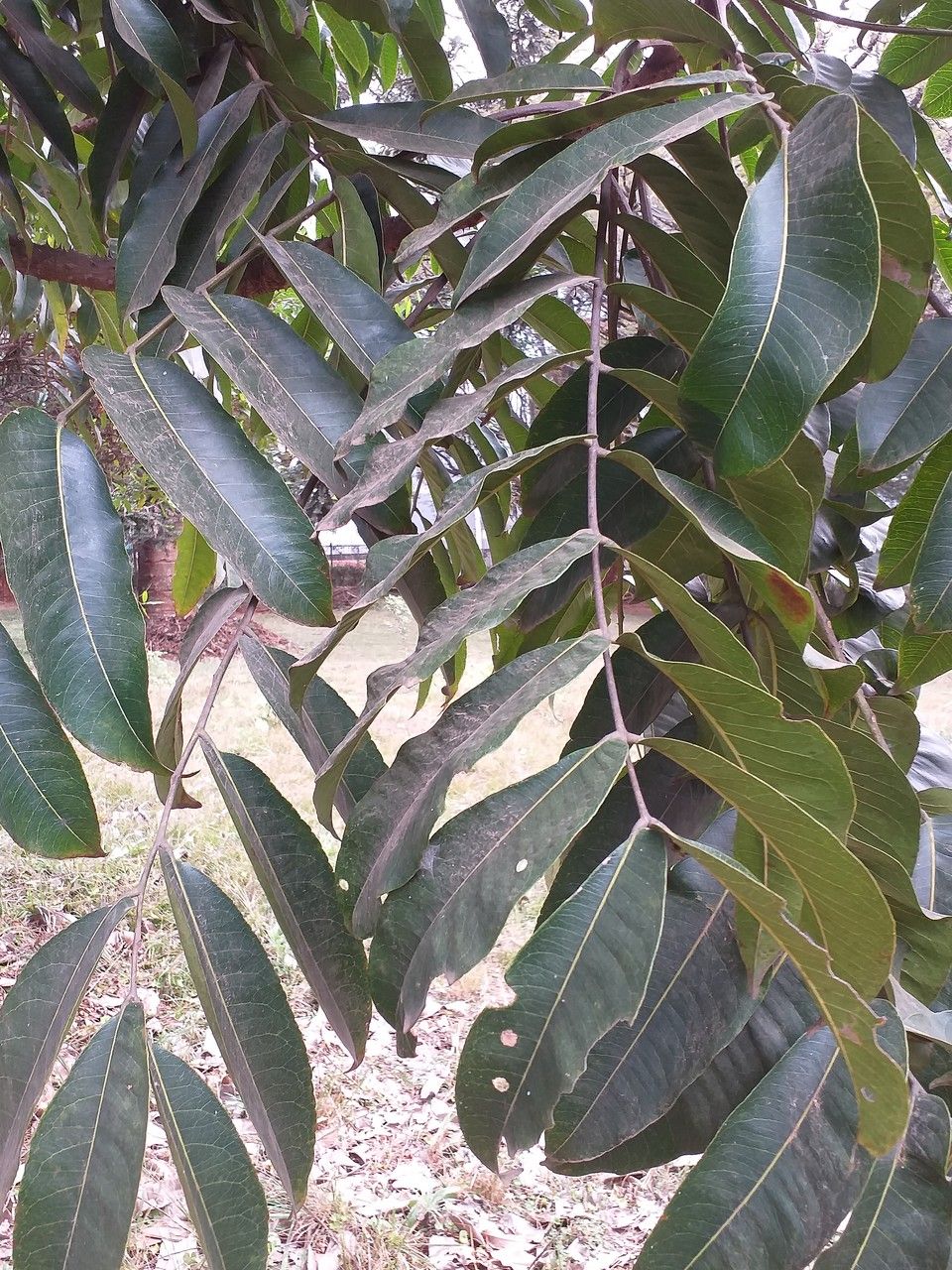
Unlocking the Secrets of the African Pepper Tree: A Guide to Propagating Zanthoxylum usambarense
The African pepper tree, known scientifically as Zanthoxylum usambarense, is a captivating plant with its aromatic citrusy leaves and intriguing peppercorns. But did you know that this exotic beauty can be propagated at home, allowing you to share its unique charm? While it requires a touch of patience, successfully propagating your own Zanthoxylum usambarense is a rewarding endeavor. Let’s delve into the two most effective methods:
1. Starting from Seed: A Journey of Flavor and Patience
Harvesting seeds from your existing Zanthoxylum usambarense is the first step on this exciting journey. Look for ripe, dark brown seed pods, gently crush them, and collect the small, black seeds within. Here’s how to turn those tiny promises into thriving plants:
- Seed Preparation: Soak the seeds in warm water for 24 hours. This softens the outer shell and encourages germination.
- Sowing the Seeds: Prepare a well-draining seed starting mix. Sow the seeds about 1/2 inch deep, mist lightly, and cover the tray with a clear plastic lid or wrap to maintain humidity.
- Germination Conditions: Place the tray in a warm, brightly lit area, out of direct sunlight. Maintain a consistent temperature between 70-75°F (21-24°C).
- Patience is Key: Germination can be slow, sometimes taking anywhere from 4 to 12 weeks. Be patient, and keep the soil consistently moist but not waterlogged.
- Transplanting Success: Once the seedlings have developed a few sets of true leaves, they can be transplanted into individual pots filled with well-draining soil.
2. Semi-Hardwood Cuttings: A Faster Route to Propagation
Taking semi-hardwood cuttings offers a quicker alternative to growing Zanthoxylum usambarense. Here’s how to achieve success:
- Choosing the Right Cuttings: Select healthy, non-flowering stems about 4-6 inches long during the late spring or early summer when the plant is actively growing.
- Preparing the Cuttings: Remove the leaves from the lower two-thirds of the stem. Make a clean cut just below a leaf node, as this is where roots will develop.
- Encouraging Root Development: Dip the cut end of the stem in rooting hormone powder to stimulate root growth.
- Planting the Cuttings: Plant the cuttings in a pot filled with a well-draining mix of peat moss and perlite or sand. Water thoroughly.
- Creating a Humid Environment: Cover the pot with a clear plastic bag or use a propagator to create a warm, humid environment. Place it in a bright location, out of direct sunlight.
- Monitoring Progress: After 4-6 weeks, gently tug on the cuttings. Resistance means roots are developing. Once the cuttings are well-rooted, transplant them into individual pots.
Caring for Your New African Pepper Trees
Regardless of the propagation method you choose, your Zanthoxylum usambarense will thrive in well-draining soil and a sunny location. Water regularly, allowing the soil to dry slightly between waterings. Fertilize every 4-6 weeks during the growing season with a balanced fertilizer.
With a little patience and the right know-how, you can successfully propagate your own African pepper tree and enjoy its unique beauty and flavor for years to come.