
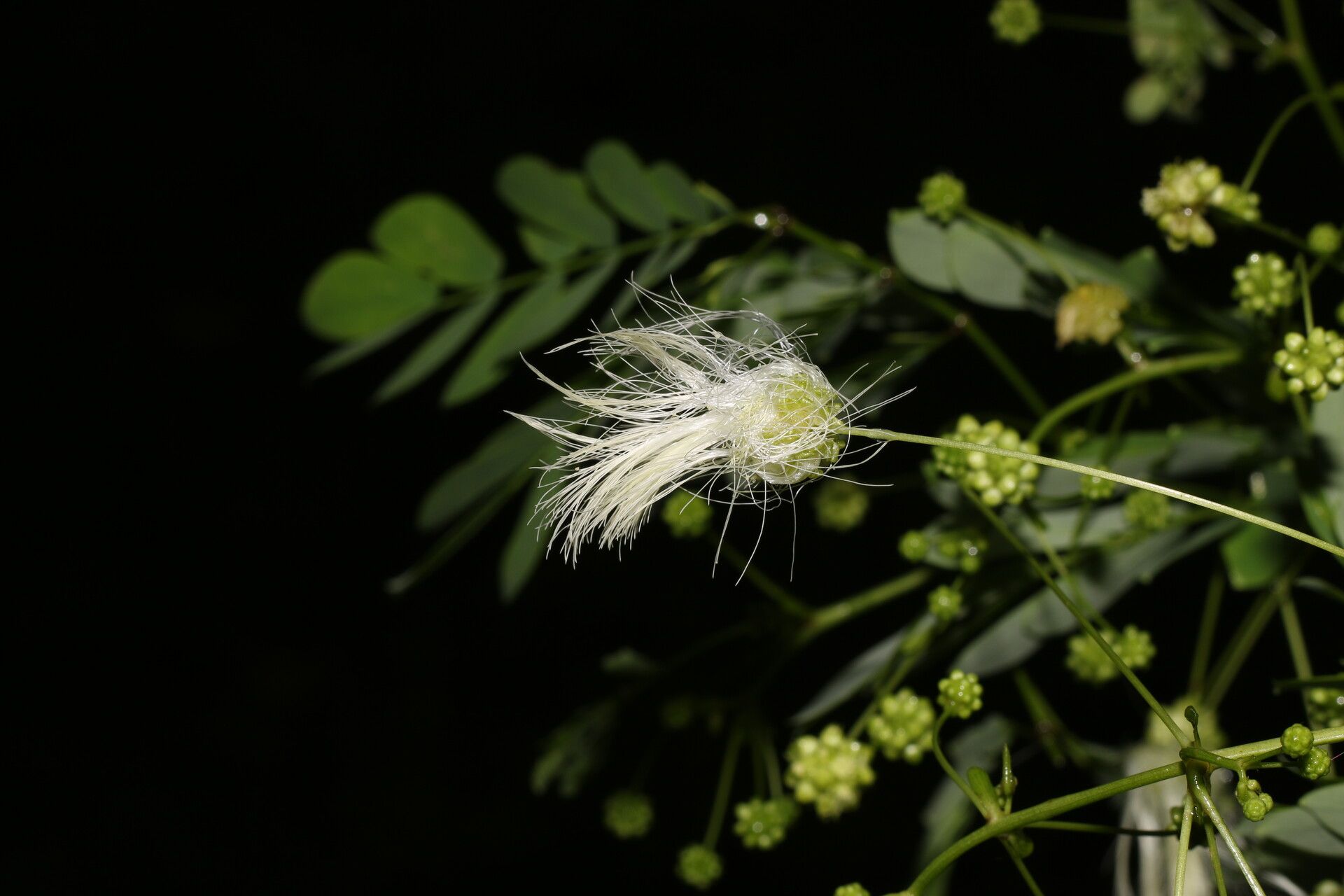
Bringing Home the Beauty: Propagating the Zapoteca formosa
The Zapoteca formosa, with its captivatingly textured leaves and cascading branches, is a true horticultural gem, deserving of a place in any plant enthusiast’s collection. But acquiring this graceful beauty can be a challenge, as it’s not readily available in all nurseries. Fear not! The secret to expanding your collection lies in the art of propagation, and the good news is that the Zapoteca formosa is relatively easy to propagate.
Two Methods, Two Paths to Success:
There are two primary methods for propagating the Zapoteca formosa: seed propagation and cuttings.
1. Seed Propagation:
While less common, seed propagation is a rewarding experience showcasing the plant’s natural life cycle. Here’s how to do it:
- Gather Fresh Seeds: Extract seeds from ripe fruit, ensuring they are free of pulp.
- Scarification: Scarify the seeds with sandpaper to break their hard outer coating. This encourages germination.
- Sowing Prep: Fill a seed tray with a well-draining seed-starting mix and moisten it thoroughly.
- Planting: Sow the seeds 1/4 inch deep in the soil, spacing them a few inches apart.
- Germination: Cover the tray with a plastic dome to maintain humidity. Place in a warm bright location, but not direct sunlight. Germination takes about 2-4 weeks.
- Thinning: Once seedlings emerge, thin them out to give space for the strongest ones to thrive.
2. Cuttings:
The most popular and effective approach is propagating Zapoteca formosa using stem cuttings. Here is a step-by-step guide:
- Preparing Cuttings: Choose healthy, mature stems, preferably from non-flowering branches. Make cuttings 4-6 inches long, ensuring each cutting has at least 2-3 nodes (leaf joints).
- Stripping: Remove the lower leaves from the cutting, leaving 2-3 leaves at the top.
- Rooting Hormone (Optional): Dip the cut end of the stem in rooting hormone powder to encourage root formation.
- Planting: Fill a small pot with a loose, well-draining potting mix. Make a small hole in the center and insert the cutting, ensuring at least one node is buried. Gently firm the soil around the base.
- Environment and Water: Keep the cutting moist, but not waterlogged, and place it in a bright, humid environment. A propagation dome can help retain moisture.
- Root Development: Roots typically develop within 4-6 weeks. You can check for root development by gently pulling on the cutting — if it offers resistance, roots have formed.
Success Tips for Propagation:
- Temperature: Maintain a warm temperature range of 70-80°F for optimal growth.
- Humidity: High humidity promotes root development. Cover the cutting or seed tray with a clear plastic dome or bag.
- Light: Bright, indirect light is crucial. Avoid direct sunlight.
- Watering: Keep the soil consistently moist. Avoid overwatering, which can lead to root rot.
- Patience: Propagation takes time, so be patient.
Beyond the Basics:
Once your Zapoteca formosa cuttings or seedlings have developed strong roots, they can be transplanted into larger pots. Remember to provide well-draining soil and a sunny location. With proper care, your propagated Zapoteca formosa will thrive, bringing joy and beauty to your home.
In Conclusion:
Propagating Zapoteca formosa, while requiring a bit of patience and care, is a fantastic way to expand your plant collection and share this unique beauty with others. Whether you choose to nurture seeds or root cuttings, the journey is part of the reward, offering a deep connection to the cycle of growth and the wonder of nature.