
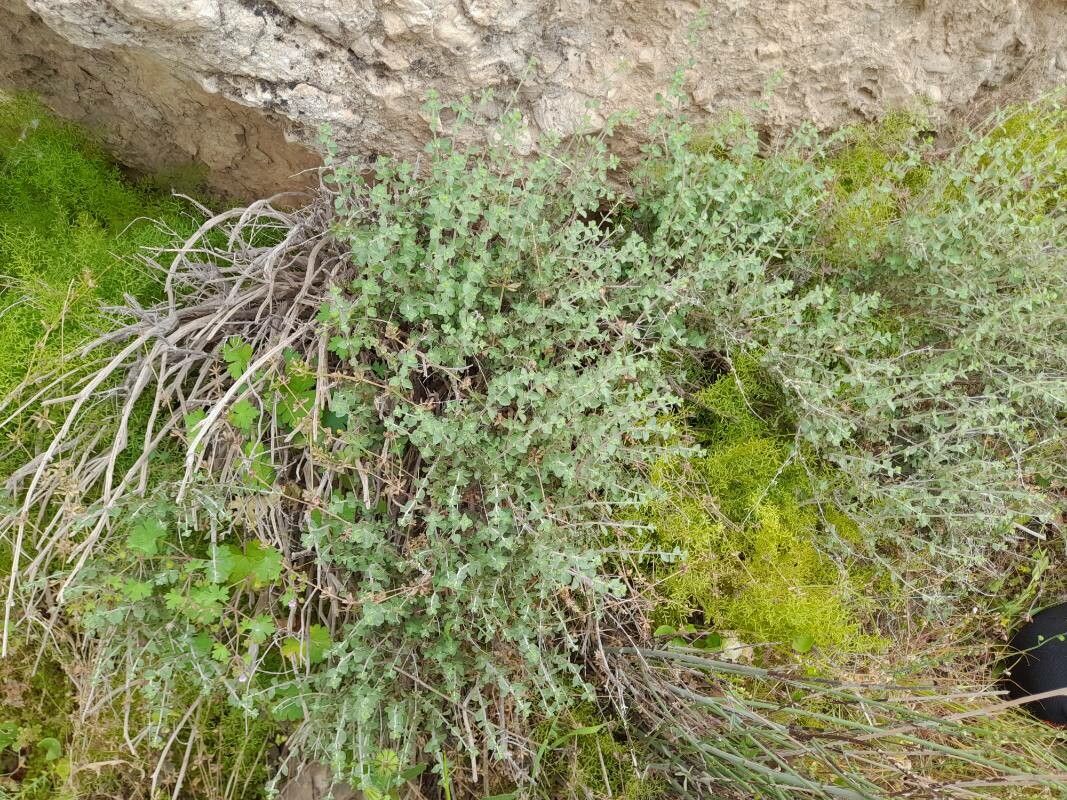
From Snipping to Thriving: How to Easily Propagate Your Own Zataria Multiflora
Want to enjoy the fragrant, medicinal benefits of Zataria multiflora without breaking the bank? Propagation is the key! This versatile herb, also known as “Zatar” or “Wild Thyme,” is remarkably easy to multiply, allowing you to quickly build a flourishing patch of this aromatic wonder.
Understanding Zataria Multiflora Propagation
Zataria multiflora is a hardy perennial, meaning it comes back year after year, making it an excellent choice for both beginner and experienced gardeners. Its propagation can be achieved through two main methods:
Seed Propagation: This method is ideal for creating new varieties or starting from scratch. Zataria multiflora seeds require a warm temperature (around 70°F) to germinate. You can sow them directly in your garden after the last frost or start them indoors a few weeks beforehand.
- Cuttings: This is the fastest and easiest way to create new plants from existing ones. Take stem cuttings of around 4-6 inches during the Spring or Fall seasons. Remove any leaves from the bottom inch and dip the cut end in rooting hormone. Finally, plant the cuttings in a well-draining mix and keep the soil moist.
Step-by-Step Guide to Propagation
1. Prepare Your Cuttings:
- Choose healthy, non-flowering stems from your Zataria multiflora plant.
- Cut the stems at a 45-degree angle just below a node (the point where leaves grow).
- Remove any leaves that will be submerged in the soil to prevent rotting.
2. Root Your Cuttings:
- Fill a small pot or tray with a well-draining potting mix.
- Dip the cut end of each stem in rooting hormone (optional).
- Plant the cuttings about 1-2 inches deep in the soil.
- Water thoroughly and place the pot in a bright, indirect location.
3. Keep Your Cuttings Happy:
- Maintain a consistent level of moisture in the potting mix, avoiding overwatering.
- Keep the cuttings in a warm, humid environment – a plastic dome or propagator can help.
- Be patient! Zataria multiflora cuttings can take around 4-6 weeks to root.
4. Transplant to Your Garden:
- Once the cuttings have developed a strong root system, carefully transplant them into your garden.
- Choose a sunny location with well-drained soil and provide regular watering, especially during the first few months.
Bonus Tip: You can also propagate Zataria multiflora by dividing an existing plant. This method is particularly useful for established plants that have become overcrowded.
Reaping the Rewards of Propagation
By propagating your own Zataria multiflora, you not only save money but also gain a deeper connection with your garden. The satisfaction of watching your cuttings flourish into new plants is truly rewarding.
Benefits of Zataria Multiflora:
- Culinary Uses: Zataria multiflora leaves have a distinctively sharp, thyme-like flavor that adds a unique touch to dishes.
- Medicinal Properties: This herb is renowned for its anti-inflammatory, antiviral, and antifungal properties.
- Aromatic Delight: Zataria multiflora’s captivating fragrance provides a natural, refreshing scent to your home and garden.
Beyond Propagation: Caring for Your Zataria Multiflora
Once your plants are established, caring for them is simple. They thrive in full sun and well-drained soil. Remember to water regularly, especially during dry spells. In colder climates, you can protect your plants with a layer of mulch during the winter.
With its ease of propagation, attractive fragrance, and numerous benefits, Zataria multiflora is a valuable addition to any garden. Get started today, and enjoy the rewards of growing your own abundance of this versatile herb!