
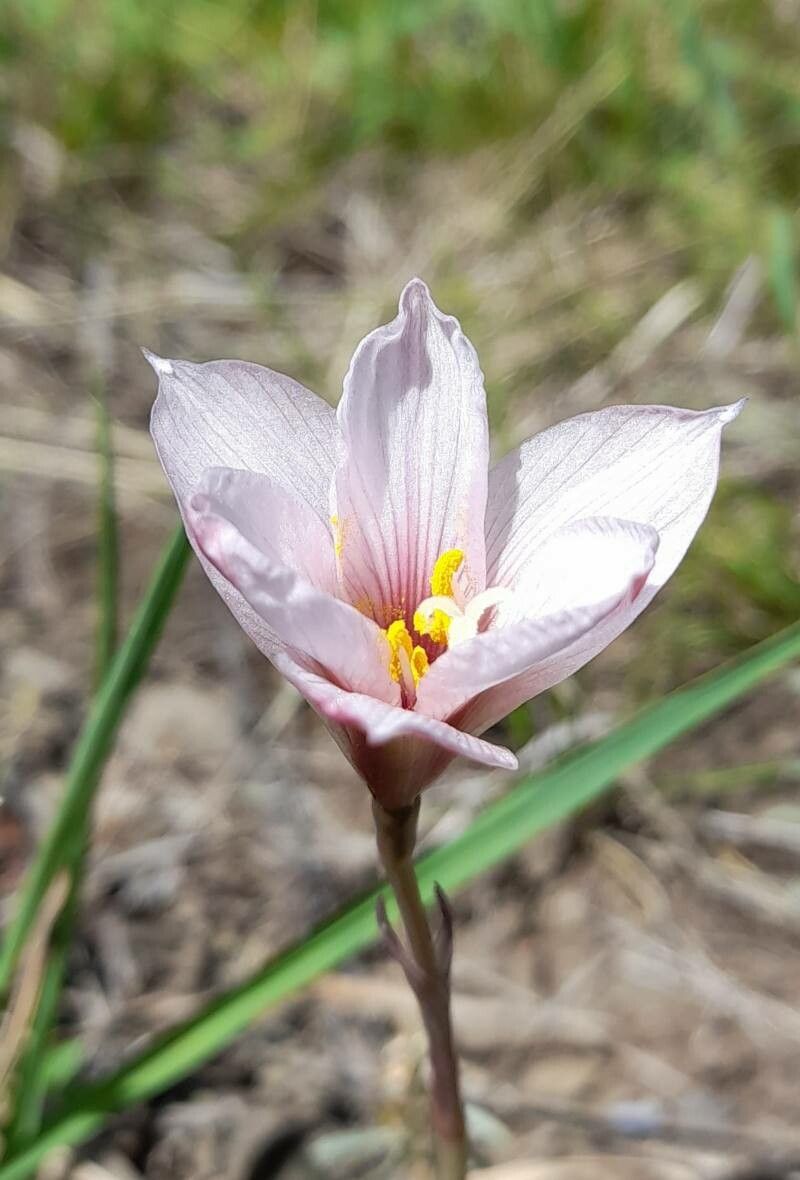
Pretty in Pink and Easy to Multiply: Propagating the Rain Lily (Zephyranthes gracilifolia)
The Rain Lily, also known as Zephyranthes gracilifolia, is a charming bulbous perennial that graces gardens with its delicate pink blooms, especially after a refreshing rain shower. This easy-to-care-for plant is not only a delight to have but also surprisingly simple to propagate, allowing you to multiply your floral bounty without breaking a sweat.
If you’re keen on expanding your Rain Lily collection or sharing the joy of these blooms with fellow gardening enthusiasts, you’re in the right place. Let’s explore the two most effective ways to propagate Zephyranthes gracilifolia:
1. Division of Bulbs:
This method leverages the natural growth habit of the Rain Lily. Over time, mature bulbs multiply underground, forming clusters of smaller bulbs known as “offsets.” Here’s how to propagate them through division:
- Timing is Key: The ideal time for dividing your Rain Lily bulbs is during its dormant period, typically in late winter or early spring, before new growth emerges.
- Gentle Excavation: Using a garden trowel or fork, carefully dig around the clump of bulbs, ensuring you don’t damage their delicate structure.
- Separating Offsets: Once lifted, gently separate the offsets from the mother bulb. Aim for offsets that are at least one-third the size of the parent bulb to ensure successful growth.
- Repotting: Select a well-draining potting mix, ideal for bulbs, and plant the separated offsets individually in pots or directly into the ground. Ensure the tip of the bulb is slightly exposed above the soil line.
- Water and Patience: Water thoroughly after planting and maintain consistent moisture. Soon, you’ll witness new growth, signaling successful propagation.
2. Growing from Seeds:
While slightly more time-consuming, propagating Rain Lily from seeds offers a rewarding experience, allowing you to witness the full life cycle of these charming blooms.
- Seed Collection: After flowering, Rain Lilies produce small seed pods. Allow these pods to dry on the plant completely before collecting the seeds.
- Seed Starting Mix: Start your seeds in a well-draining seed starting mix. Sow the seeds thinly on the surface and cover lightly with the mix.
- Essential Light and Warmth: Place the seed tray in a brightly lit location, but out of direct sunlight. Maintain consistent warmth as germination is optimal between 70-75°F (21-24°C).
- Germination Patience: Seedlings typically emerge within a few weeks. Once they develop a few true leaves, you can transplant them into individual pots or directly outdoors when the weather permits.
Important Tips for Success:
- Well-Draining Soil: Rain Lilies thrive in well-draining soil. This prevents waterlogging, which can lead to bulb rot.
- Sunlight Requirements: Choose a location that receives at least 6 hours of sunlight per day for optimal blooming.
- Minimal Watering: Rain Lilies are relatively drought-tolerant once established. Water deeply but infrequently, allowing the soil to dry out slightly between waterings.
Propagating your Zephyranthes gracilifolia is a fulfilling experience for any gardening enthusiast, regardless of their experience level. With these straightforward techniques, you can easily multiply your Rain Lily collection and create a breathtaking display of delicate pink blooms year after year.