
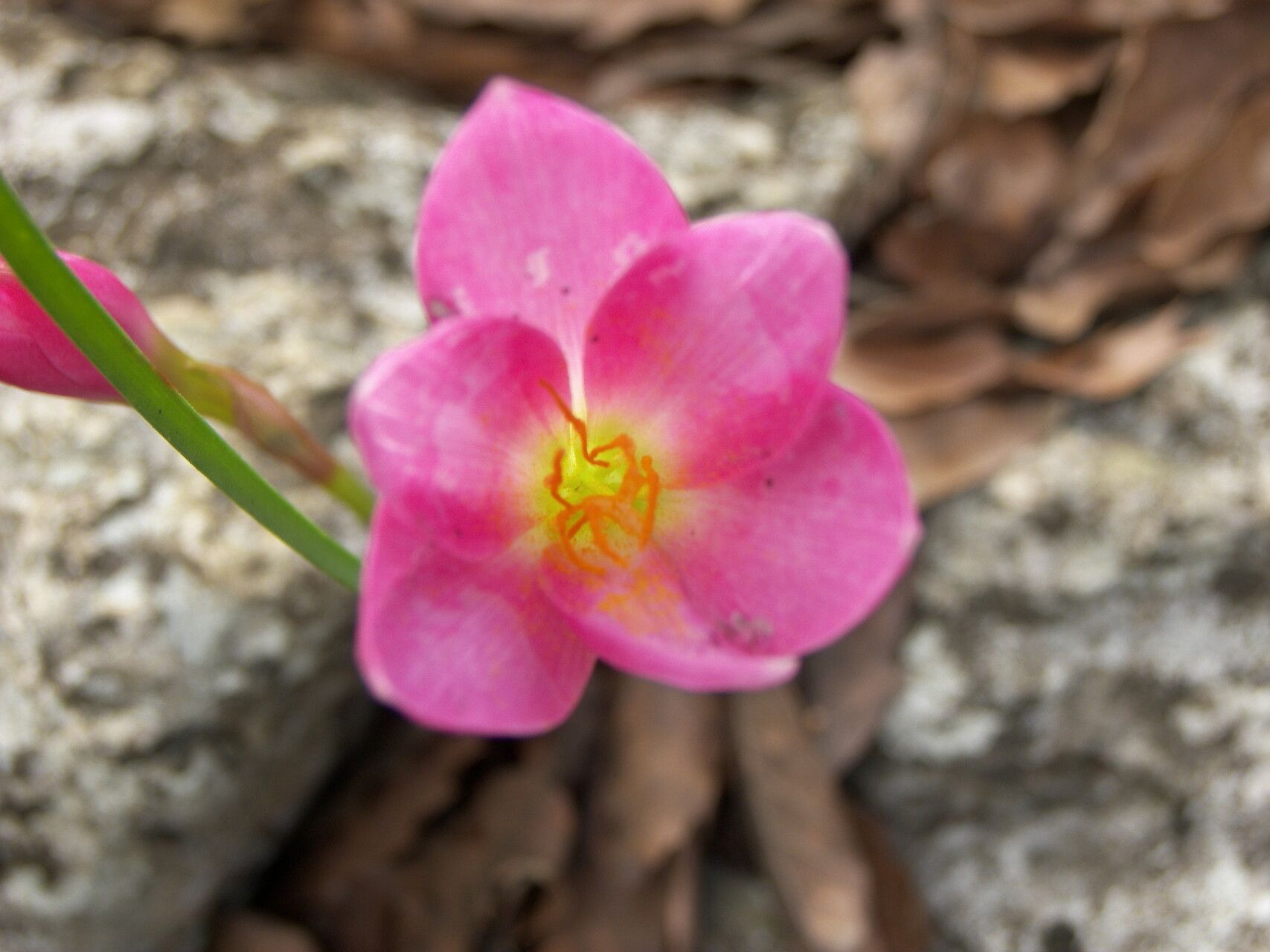
From One to Many: Unlocking the Secrets of Zephyr Lily Propagation
Zephyranthes lindleyana, commonly known as the Zephyr Lily, is a stunning bulbous plant that brings bursts of color to gardens and homes. But have you ever wondered how to expand your collection of these beautiful blooms? The good news is, propagating Zephyr lilies is surprisingly simple! With a little knowledge and a bit of patience, you can easily create new plants from your existing stock, allowing you to enjoy more of these charming flowers.
Taking Root: The Basics of Zephyr Lily Propagation
Zephyranthes lindleyana can be propagated through two main methods: division and seed starting.
- Division: A straightforward technique that involves separating clusters of bulbs. It’s ideal for established plants with a decent number of bulbs, offering the fastest way to multiply your Zephyr Lily collection.
- Seed Starting: A more time-consuming but rewarding method that allows you to nurture new plants from seed. This approach allows you to experiment with different cultivars and enjoy the entire lifecycle from seed to bloom.
Let’s Dive Deeper into Each Method:
1. Division: A Quick Route to More Zephyranthes
- The Right Time: Timing is key! The best time to divide Zephyr lilies is during their dormant period, which typically occurs in late autumn to early spring, when the foliage has died back.
- The Process:
- Gently lift the entire plant from the ground, being careful not to damage the bulbs.
- Separate the bulb clusters into smaller sections, making sure each section has a few bulbs and roots.
- Replant the divided bulbs in fresh potting mix or garden soil, spacing them about 6-8 inches apart.
- Water generously.
2. Seed Starting: A Journey of Growth
- Seed Collection: After flowering, your Zephyr lilies will produce seed pods. Allow the pods to fully ripen before collecting the seeds.
- Sowing Seeds: You can start seeds indoors in pots or trays filled with a seed-starting mix.
- Sow the seeds about ¼ inch deep, spacing them about 1 inch apart.
- Moisten the soil thoroughly and maintain a consistent level of humidity using a dome or plastic wrap.
- Place the seed trays in a bright location, but avoid direct sunlight.
- Maintain a temperature between 70-75°F (21-24°C).
- Patience is Key: Be patient, as seeds can take several weeks to germinate. Once seedlings emerge, continue to provide them with consistent moisture and bright, indirect light.
- Transplanting: When the seedlings have a few true leaves (not the seed leaves), you can carefully transplant them into individual pots or directly into the garden.
Tips for Success
- Sterilization: Use sterilized tools and pots when propagating to prevent the spread of diseases.
- Avoid Overwatering: Zephyr lilies prefer well-drained soil and can be prone to root rot if they’re overwatered.
- Location, Location, Location: Choose a sunny location for your Zephyr lilies, as they thrive in full sun to partial shade.
The Joy of Propagation
Propagating Zephyranthes lindleyana is a rewarding process. It’s not only a fantastic way to expand your own collection but also to share the beauty of these charming blooms with friends and family. So, grab those tools, get your hands dirty, and unlock the potential of your Zephyr lilies! You’ll be amazed at how easily you can create a whole new generation of vibrant flowers to brighten your garden and your home.