
From Ginger to Zing: Propagating Your “Dancing Ginger”
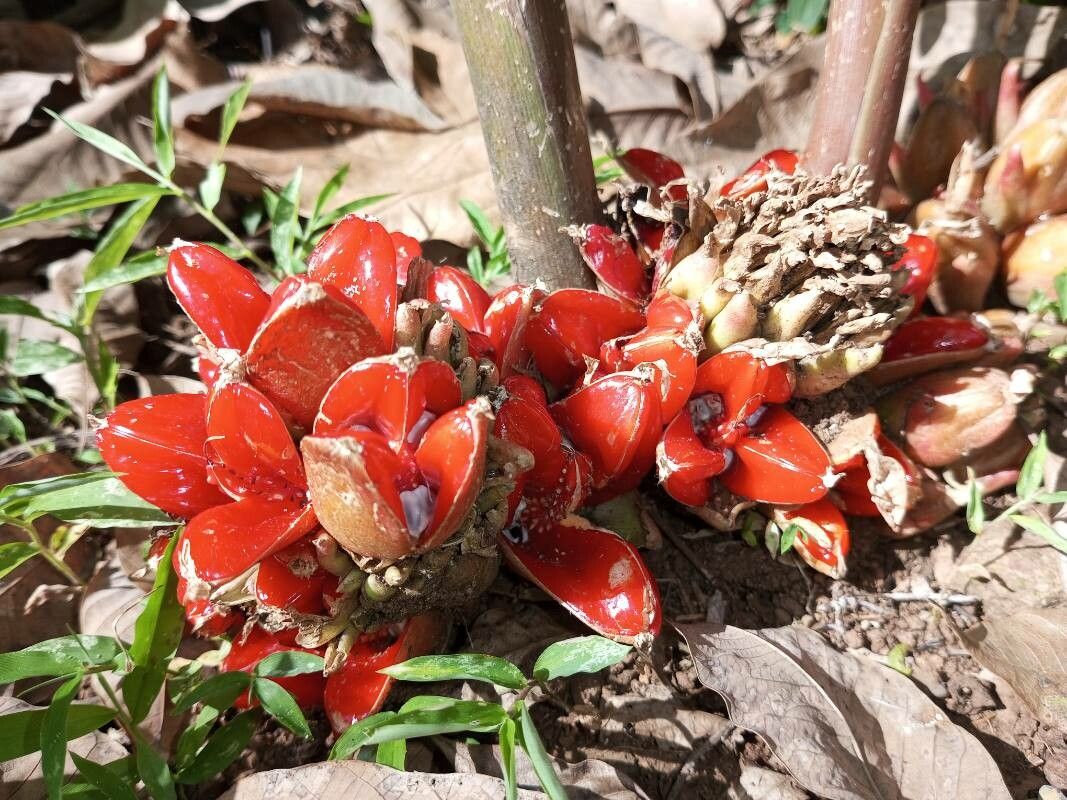
Want to add a touch of whimsy and tropical charm to your garden? Look no further than Zingiber cernuum, more affectionately known as “Dancing Ginger”. This unique plant with its vibrant red bracts and stunningly patterned leaves is a true showstopper. But best of all, it’s relatively easy to propagate, meaning you can share the love (and the plant) with friends and family!
Understanding Your Dancing Ginger
Zingiber cernuum is a clumping ginger, originating from the jungles of Southeast Asia. Its ‘dancing’ name refers to the way its bracts, which appear to be flowers, look like they’re swaying in the wind. It’s a rhizomatous plant, meaning it spreads through underground stems, called rhizomes. These rhizomes are the key to successful propagation.
Methods for Propagation
There are two main ways to propagate Zingiber cernuum:
Division:
This is the most common and straightforward method. Here’s how:
- Time: The best time for division is in spring when the plant starts growing actively.
- Process: Carefully dig up the plant, ensuring you retain as much of the root system as possible. Locate healthy rhizomes with at least one bud. Use a sharp knife to separate the rhizome into divisions, each with one or more buds.
- Planting : Pot the divisions individually into well-draining potting mix. Place them in a warm, shaded location and keep the soil consistently moist.
Rhizome Cuttings:
This technique requires a bit more care but can produce multiple plants from a single rhizome.
- Time: Ideal for early spring, just as the plant is awakening.
- Process: Select a healthy rhizome and cut it into sections, ensuring each section has at least one bud. Allow the cut ends to dry and callus over for a day or two. Then, plant the cuttings horizontally in sterile, well-draining potting mix.
- Planting: Keep the soil moist and the cuttings in a warm, shady location.
Nurturing Your New Plants
Once your divisions or cuttings are planted, give them the best chance of success by:
- Watering: Keep the soil consistently moist but not waterlogged. Allow the top inch of soil to dry slightly between waterings.
- Light: Provide indirect sunlight or filtered shade, avoiding harsh, direct sun.
- Humidity: Dancing Ginger loves humidity, so misting plants regularly is recommended.
Patience is Key
While Zingiber cernuum isn’t notoriously difficult to propagate, it might take some time for your new plants to show growth. Be patient, provide the right conditions, and soon you’ll be enjoying a vibrant new addition to your garden or indoor space.
Sharing the Beauty of Dancing Ginger
Whether you choose division or rhizome cuttings, propagation allows you to share the beauty and unique charm of Zingiber cernuum with others. You can easily grow new plants for your own garden or gift them to friends and family, spreading the joy of this tropical wonder.
So, grab your gloves and digging tools – it’s time to get your hands dirty and bring more dancing ginger into the world!