
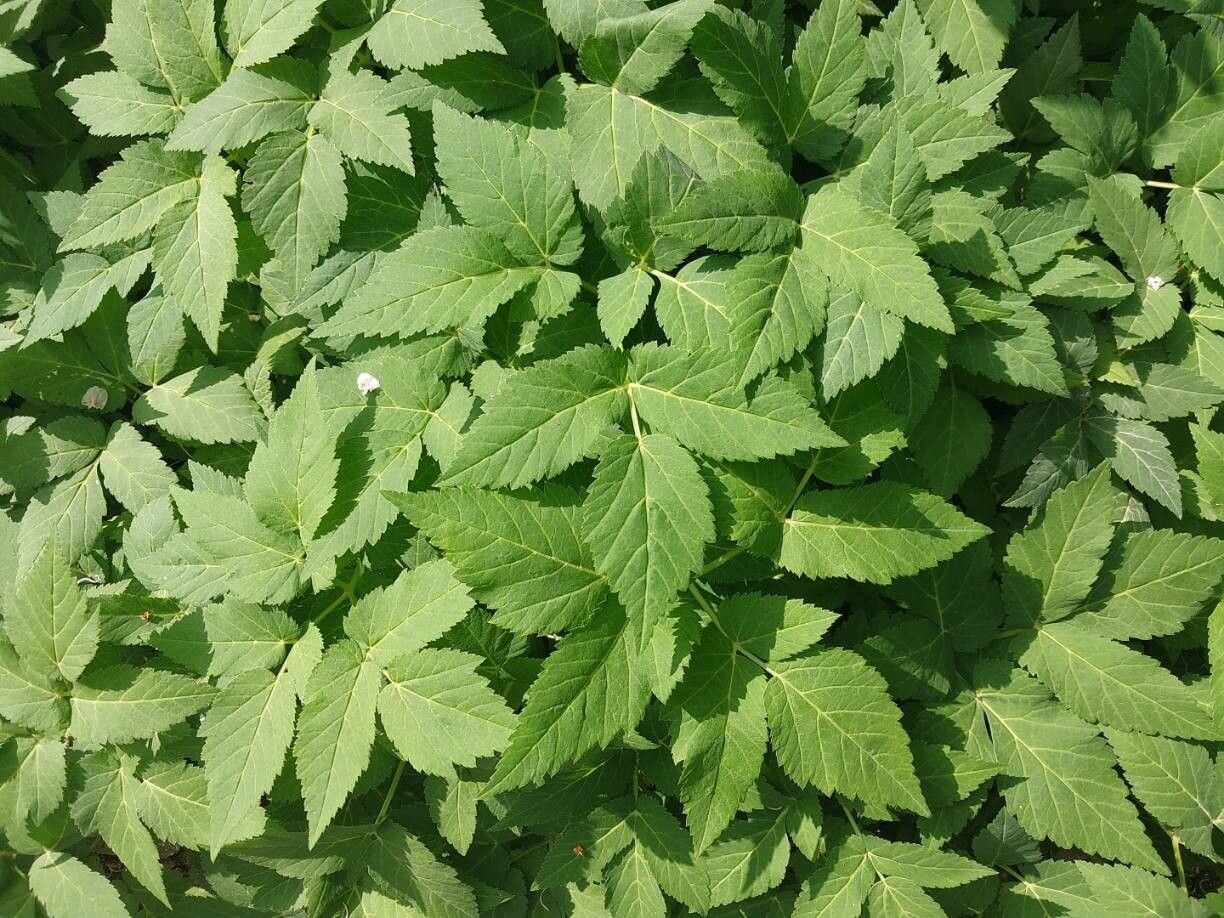
Propagating Golden Alexanders (Zizia aurea): A Gardener’s Guide
Introduction
Zizia aurea, commonly known as Golden Alexanders, is a charming native North American perennial prized for its bright yellow, umbel-shaped flowers and delicate, fern-like foliage. Its airy inflorescences add a delightful textural contrast to garden borders, meadows, and wildflower gardens. Its popularity stems from its ease of maintenance once established, tolerance of various soil conditions, and attractiveness to pollinators. However, propagating Zizia aurea presents unique challenges, making successful cultivation a rewarding endeavor for the dedicated gardener.
Seed Germination
Seed germination for Zizia aurea is viable but can be challenging. The seeds exhibit a period of dormancy, requiring stratification to break this dormancy and initiate germination.
Challenges: Low germination rates are common. Seeds may require specific temperature and moisture conditions to overcome dormancy.
Tips: Cold stratification for 60-90 days at temperatures between 33-41°F (0-5°C) is recommended before sowing. Sow seeds directly outdoors in the fall (allowing for natural stratification) or in containers in a cold frame during the winter. Maintain consistently moist (but not waterlogged) soil throughout the germination process. Use a well-draining seed starting mix.
Rewards: Seed propagation offers the greatest genetic diversity, providing a wider range of plant characteristics. It also allows for large-scale propagation, making it suitable for restoration projects or establishing extensive plantings.
Cuttings
Currently, there are no known reliable methods for propagating Zizia aurea from cuttings. The plant does not readily root from stem or root cuttings.
Division
Division is a relatively successful method for propagating Zizia aurea.
Challenges: Division should be done during the plant’s dormant period (spring or fall) to minimize stress. Overly aggressive division can harm the plant. Smaller divisions may take longer to establish.
Tips: Carefully dig up mature plants, gently separate the root crown into several sections, ensuring each division has sufficient roots and foliage. Replant divisions immediately in well-prepared soil, keeping them well-watered until established.
Rewards: Division provides a quicker and more reliable method of propagation compared to seed. It preserves the genetic characteristics of the mother plant.
Tissue Culture
Tissue culture propagation of Zizia aurea has not been widely explored or standardized. While theoretically possible, it requires specialized equipment and expertise, making it largely unsuitable for home gardeners.
Conclusion
Propagating Zizia aurea presents varying levels of difficulty depending on the chosen method. While seed propagation offers genetic diversity but requires patience and specific stratification techniques, division provides a simpler method with higher success rates. Cuttings and tissue culture are currently not considered reliable options. Despite the challenges, the eventual success of cultivating this beautiful plant, whether from seed or by division, brings a unique sense of accomplishment. The effort invested is undeniably rewarded by the vibrant displays of golden blossoms and the knowledge that you have successfully propagated this valuable native species. For aspiring propagators, start with division as a more reliable method, and consider experimenting with seeds if you’re willing to embrace the challenges of stratification and potentially lower germination rates. Remember patience and the right techniques are key to success.