
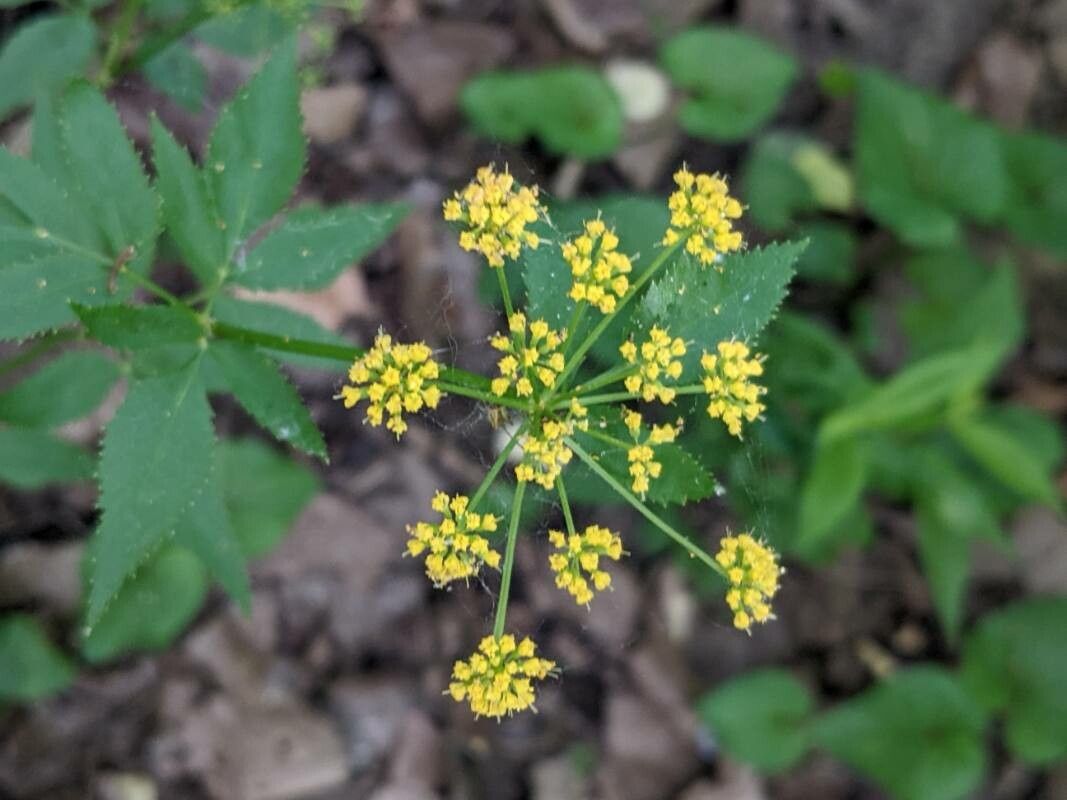
Propagating Zizia trifoliata: A Gardener’s Guide to the Golden Alexanders
Introduction:
Zizia trifoliata, commonly known as Golden Alexanders, is a charming native North American wildflower prized for its delicate, bright yellow umbels and ferny foliage. Its airy inflorescences bring a cheerful, natural touch to gardens, particularly within naturalistic or meadow plantings. Its popularity stems from its low maintenance requirements, adaptability to various soil conditions, and attractiveness to pollinators. However, propagating Golden Alexanders can present unique challenges, making successful cultivation all the more rewarding.
Seed Germination:
Seed germination for Zizia trifoliata is possible but presents several challenges. The seeds often exhibit dormancy, requiring stratification to break this dormancy and initiate germination.
Challenges: Low germination rates are common, even with stratification. Seeds can be short-lived, requiring fresh seeds for the best results.
Practical Tips: Collect seeds as soon as they mature but before they disperse. Stratify seeds by placing them in moist peat moss or vermiculite in a sealed bag and refrigerating them for 8-12 weeks at a temperature of 35-40°F (2-4°C). Sow seeds in a well-draining seed starting mix, barely covering them with soil. Maintain consistent moisture but avoid overwatering. Keep the seedlings in a bright, but not directly sunny, location.
Rewards: Germination from seed offers the greatest potential for genetic diversity, allowing propagation for larger-scale projects and potentially generating unique variations.
Cuttings:
Currently, there are no known reliable methods for propagation of Zizia trifoliata via cuttings. The plant’s physiology does not appear conducive to this method.
Division:
Division is a relatively successful method for propagating Zizia trifoliata.
Challenges: This method is only feasible once the plant has established a substantial root system, usually after several years of growth. Care must be taken to avoid damaging the roots during division, which can hinder the plant’s recovery.
Practical Tips: Divide the plant in early spring or fall, after flowering. Gently dig up the clump and carefully separate it into smaller sections, ensuring each division has healthy roots and shoots. Replant the divisions immediately, keeping the soil moist until they are established.
Rewards: Division offers a quick and efficient way to increase the number of plants, preserving the genetic characteristics of the parent plant. Established plants can be divided every 3-5 years.
Tissue Culture:
There is limited publicly available information on tissue culture propagation of Zizia trifoliata. This method, while potentially offering efficient large-scale propagation, is typically complex and requires specialized equipment and expertise, making it less accessible to home gardeners.
Conclusion:
Propagating Zizia trifoliata presents distinct challenges depending on the chosen method. While seed germination offers genetic diversity but requires patience and careful stratification, division provides a more reliable but slower method, suitable for established plants. Cuttings and tissue culture remain largely unexplored avenues.
The unique satisfaction derived from successfully propagating Golden Alexanders stems from overcoming these hurdles. The commitment required fosters a deeper appreciation for the plant’s resilience and beauty. For aspiring propagators, persistence and a willingness to experiment are essential. Start with division if you have an existing plant; otherwise, embrace the challenge of seed germination, remembering that not every seed will sprout, but the few that do will reward you with a vibrant addition to your garden.