
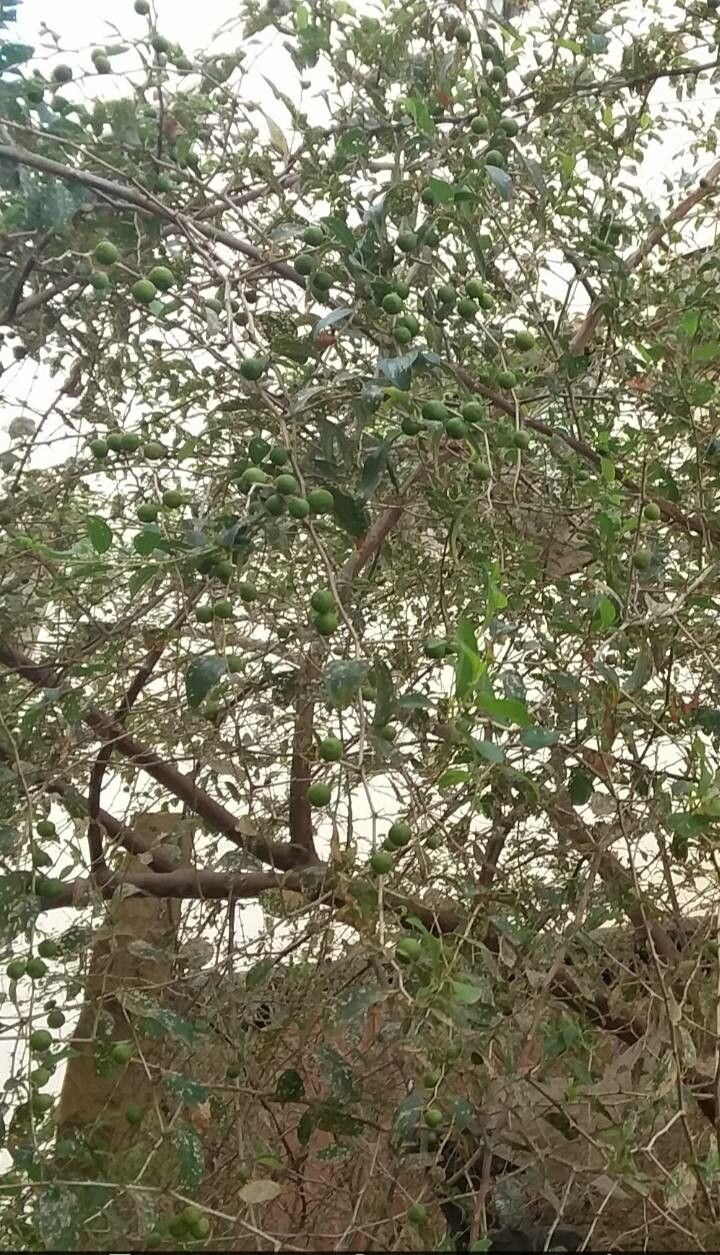
Propagating Ziziphus leucodermis: Unlocking the Secrets of the White-barked Jujube
Introduction:
Ziziphus leucodermis, commonly known as the white-barked jujube or simply the little jujube, is a fascinating and relatively under-cultivated shrub or small tree prized for its attractive, peeling bark that reveals a striking white or pale grey underneath. Its small, edible fruits offer a unique flavor, and its drought tolerance makes it a resilient addition to xeriscapes or arid gardens. While not as widely cultivated as other Ziziphus species like the common jujube (Z. jujuba), its unique appeal is increasing its popularity among gardeners seeking low-maintenance, visually interesting plants. Its propagation, however, presents certain challenges, making successful cultivation particularly rewarding.
Seed Germination:
Currently, there are no known reliable methods for seed germination propagation of Ziziphus leucodermis. While seeds are produced, germination rates are extremely low, even with pre-treatment techniques like scarification or stratification. Further research is needed to determine optimal germination conditions for this species.
Cuttings:
Cuttings represent a more promising propagation method for Ziziphus leucodermis.
Challenges: Rooting success can be variable and dependent on factors such as the type of cutting (hardwood, semi-hardwood), the time of year, and the rooting medium. Hormone treatment may significantly improve rooting rates.
Practical Tips: Semi-hardwood cuttings taken in late summer or early autumn offer the best chances of success. Cuttings should be approximately 4-6 inches long, with the lower leaves removed. A rooting hormone (IBA) should be applied to the base of the cutting. Plant cuttings in a well-draining mix (e.g., perlite and peat moss) and maintain high humidity using a plastic bag or humidity dome. Consistent moisture is crucial, but avoid overwatering, which can lead to rot.
Rewards: Successfully rooting cuttings provides a reliable method for propagating desirable cultivars and ensures the genetic consistency of the parent plant. It is also a more practical method than seed propagation for smaller-scale propagation.
Division:
Division is generally not a feasible propagation method for Ziziphus leucodermis. The plant’s root system is not readily divisible into independent units capable of forming new plants.
Tissue Culture:
Tissue culture offers a potential avenue for large-scale propagation of Ziziphus leucodermis, overcoming the limitations of seed germination and cuttings.
Challenges: Establishing a successful tissue culture protocol requires specialized equipment, expertise, and a sterile environment. Developing the optimal media composition and growth regulators will require experimentation.
Practical Tips: This method generally requires a tissue culture laboratory and associated expertise. Research on optimal media formulation, explant selection, and hormone combinations would be necessary.
Rewards: Tissue culture enables rapid propagation of a large number of genetically identical plants from a small amount of source material. This method is particularly valuable for preserving rare or endangered genotypes.
Conclusion:
Propagating Ziziphus leucodermis presents unique challenges across all potential methods. Seed germination remains largely unreliable. Cuttings offer a more practical approach but require patience and attention to detail. Division is not a viable option, while tissue culture, although potentially highly effective, requires specialized resources. The rewards, however, are significant. Successfully cultivating this attractive and resilient species from a cutting, overcoming the initial hurdles, offers a deeply satisfying experience. The unique beauty of its white bark and the knowledge of having successfully propagated a plant that presents these propagation challenges represent a triumph well worth the effort. For aspiring propagators, persistence and careful attention to detail are key. Start with cuttings, aided by appropriate rooting hormone, and consider consulting horticultural resources specific to Ziziphus species for further guidance. The journey to successfully cultivating Ziziphus leucodermis is a testament to patience and dedication, yielding a rewarding outcome.