
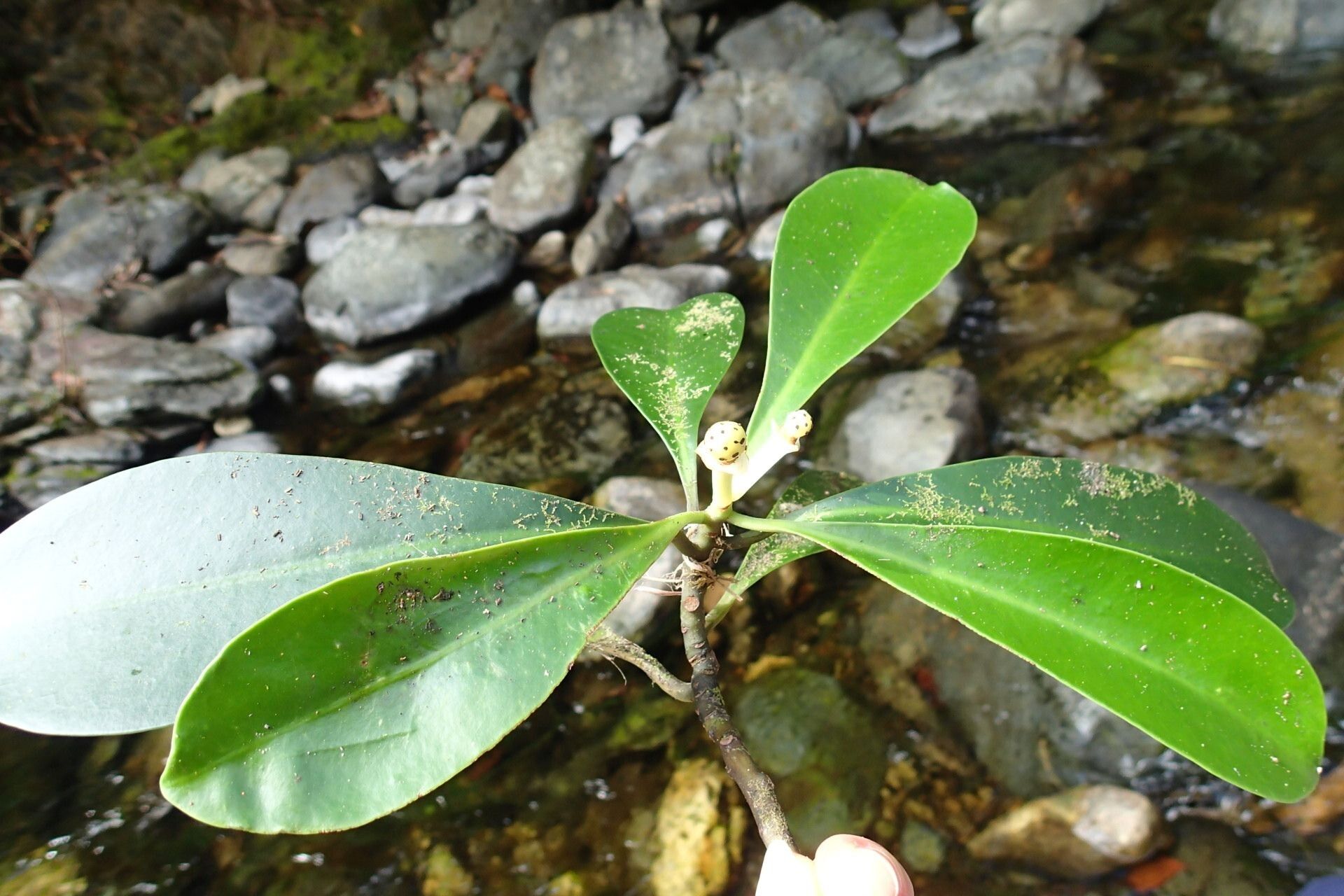
Propagating the Quandong of the Mountains: A Guide to Zygogynum pomiferum
Introduction:
Zygogynum pomiferum, also known as the mountain quandong or simply the quandong (though distinct from the more common Santalum acuminatum), is a captivating shrub or small tree native to the rainforests of New Caledonia. Its striking appearance, featuring leathery leaves and attractive, albeit often small, fruits, has garnered increasing attention from specialist gardeners drawn to its unique beauty and botanical interest. Propagation, however, presents a unique set of challenges, making successful cultivation a rewarding yet demanding endeavor. The plant’s specific propagation requirements are not widely documented, necessitating careful experimentation and patience.
Seed Germination:
Currently, there are no known reliable methods for seed germination propagation of Zygogynum pomiferum. Research into its germination requirements is lacking, and even with careful experimentation encompassing various stratification techniques (cold stratification, warm stratification, and combinations thereof), sowing media, and germination temperatures, success has not been consistently reported. The potential for genetic diversity through seed propagation is significant, but until reliable germination protocols are established, this method remains impractical for most growers.
Cuttings:
Cuttings present a more promising avenue than seed germination, though still challenging. The success rate depends heavily on several crucial factors.
Challenges: Zygogynum pomiferum cuttings are prone to fungal infections and desiccation. The relatively slow growth rate further complicates successful rooting.
Practical Tips: Hardwood cuttings taken in late autumn or winter, treated with a rooting hormone (e.g., IBA), and placed in a well-draining propagation mix with high humidity (e.g., a mist propagation system) may offer the best chance of success. Using a bottom heat source can aid root development.
Rewards: Successful propagation through cuttings offers a relatively quick method of multiplying desirable specimens, preserving specific genetic traits, and bypassing the unreliable seed germination process.
Division:
Division is generally not a feasible propagation method for Zygogynum pomiferum. The plant’s root system and branching structure are not conducive to this technique. Attempts to divide the plant are likely to result in significant stress and potentially kill the parent plant.
Tissue Culture:
Tissue culture offers the most promising yet sophisticated pathway for propagating Zygogynum pomiferum.
Challenges: Establishing a sterile culture and selecting the appropriate media and growth regulators require specialized knowledge and equipment. This is a time-consuming and technically demanding process.
Practical Tips: Access to a plant tissue culture laboratory with expertise in woody plant propagation is essential. Experiments with different media formulations, potentially including cytokinins and auxins at varying concentrations, are needed to optimize shoot multiplication and rooting.
Rewards: Tissue culture allows for the rapid mass production of genetically identical plants, enabling wider distribution and conservation efforts. It also potentially allows for the propagation of plants from difficult-to-root material.
Conclusion:
Propagating Zygogynum pomiferum presents significant obstacles. While seed germination remains unreliable, cuttings offer a more viable (though still challenging) option. Tissue culture is the most promising approach for large-scale propagation, though it requires specialized expertise and resources.
Despite the difficulties, the unique character of this New Caledonian native and the satisfaction of successfully nurturing a plant from a cutting or tissue culture makes the endeavor worthwhile. Persistence, attention to detail, and a willingness to adapt techniques based on observation are key to success. For aspiring propagators, starting with cuttings and seeking expert guidance for tissue culture is strongly recommended. The journey may be challenging, but the reward of cultivating this beautiful and relatively rare species is profoundly rewarding.