
Taming the Desert Treasure: Propagating the Resilient Zygophyllum molle
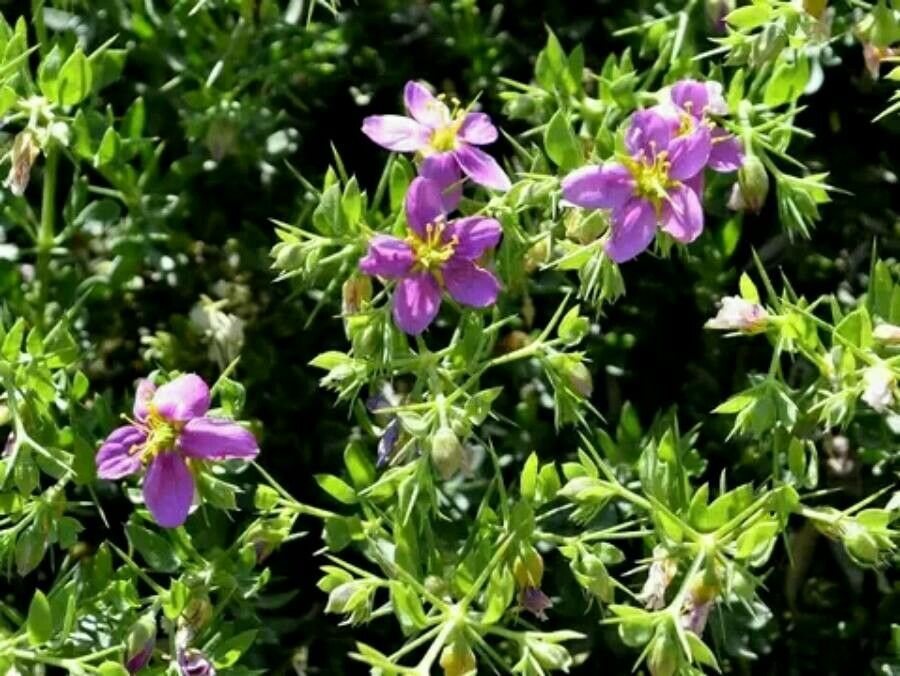
The Zygophyllum molle, also known by the charming moniker “Hairy Twinleaf”, is a testament to nature’s tenacity. This hardy shrub, native to the unforgiving landscapes of South Africa, Australia, and other arid regions, enchants with its succulent foliage and bright yellow star-shaped flowers. But its true marvel lies in its resilience, thriving where most plants surrender to the harsh elements.
If you’re captivated by the Zygophyllum molle and its story of survival, why not invite this desert gem into your garden? While readily available in nurseries specializing in drought-tolerant plants, propagating your own Hairy Twinleaf offers a uniquely rewarding experience. Let’s explore the two most effective methods:
1. Seed Propagation: Awakening Life from Dormancy
The Zygophyllum molle produces distinctive seed pods that split open when dry, scattering the seeds within. These seeds, equipped with a natural resilience, often require a little “persuasion” to awaken. Here’s how to tip the scales in your favor:
- Seed Collection and Preparation: Collect mature, dry seed pods directly from the plant. Gently crush the pods to release the seeds.
- Breaking Dormancy (Scarification): Zygophyllum molle seeds have a hard outer coating. Gently rub the seeds between two pieces of sandpaper to nick the surface, allowing water to penetrate and encourage germination.
- Sowing: Choose a well-draining seed starting mix. Sprinkle the seeds on the surface and lightly cover them with a thin layer of the mix.
- Warmth and Moisture: Place the seed tray in a warm, well-lit location, maintaining a consistent moisture level without waterlogging.
- Patience is Key: Germination can take several weeks to a couple of months. Remain patient, and tiny seedlings will eventually emerge.
2. Cuttings: Cloning Your Desert Survivor
For a quicker and potentially more successful method, cuttings offer a direct route to establishing new plants. This method harnesses the plant’s innate ability to regenerate:
- Timing is Everything: The ideal time for taking cuttings is during the active growing season, typically spring or early summer.
- Selecting the Right Cuttings: Choose healthy, non-flowering stems. Using a sharp, sterilized knife or pruners, take cuttings about 4-6 inches long. Remove the lower leaves, leaving 2-3 pairs at the top.
- Callus Formation: Allow the cut ends of the stems to dry and form a callus. This prevents rot and encourages root development. Leave the cuttings in a dry, shaded area for a day or two.
- Planting the Cuttings: Dip the callused ends in rooting hormone (optional but beneficial). Plant the cuttings in a well-draining potting mix, burying at least a couple of nodes below the surface.
- Creating a Humid Environment: Cover the pot with a plastic bag or use a propagation dome to maintain humidity. Place it in a bright location, out of direct sunlight.
- Rooting Success: After a few weeks, gently tug on the cuttings to check for resistance. Resistance indicates successful root development.
Nurturing Your New Recruits
Once your Zygophyllum molle seedlings or cuttings show robust growth, gradually acclimate them to outdoor conditions. Remember, this desert dweller thrives in full sun and well-draining soil. Water sparingly, allowing the soil to dry out completely between waterings.
Propagating the Zygophyllum molle is a rewarding journey that allows you to witness the tenacity of life firsthand. By embracing these techniques, you can cultivate your own miniature oasis, adorned with these resilient and captivating plants.